
Are ‘Dumbphones’ Making A Trendy Comeback
This article is part of our Mobile Phones & Smartphones resource section.
Over the past few years, phone companies have been releasing new types of smartphones at an unprecedented rate, with users getting stuck in between deciding whether they should purchase a more expensive smartphone or not.
Choosing between a basic phone and a modern smartphone depends heavily on what you actually need from the device. Consumers considering a new model can consult a smartphone buying guide and consider the important things to ask yourself before buying a phone. It is also useful to understand how the traditional cell phone has evolved alongside the broader concept of the mobile phone.
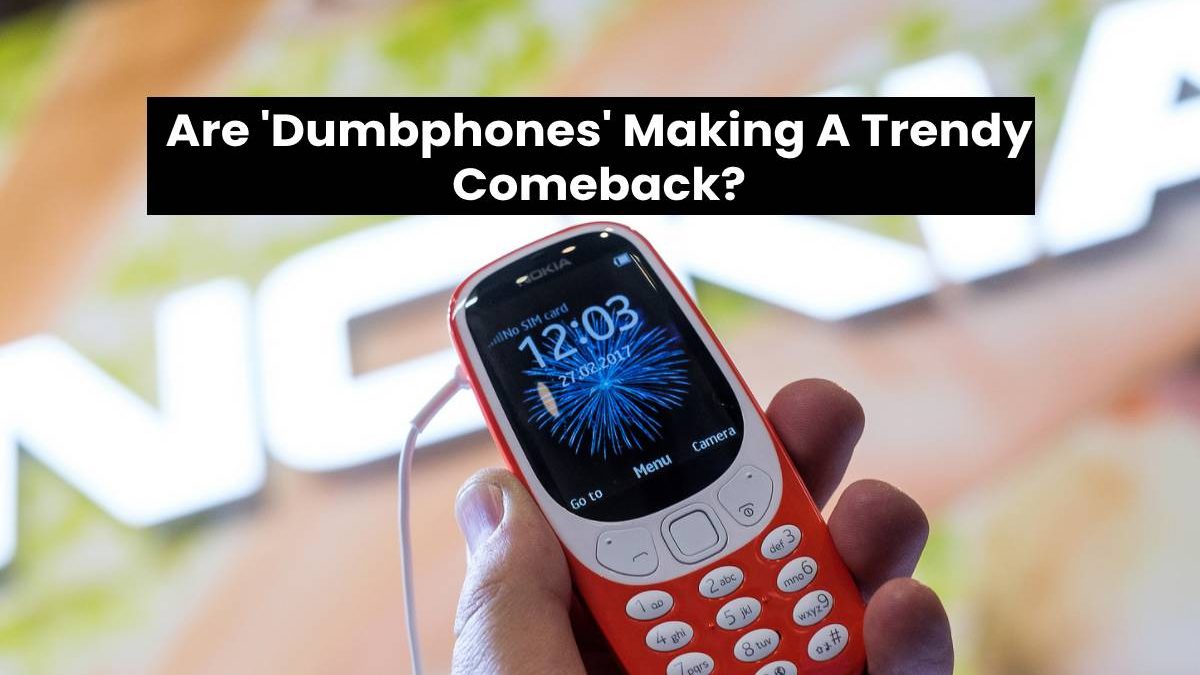
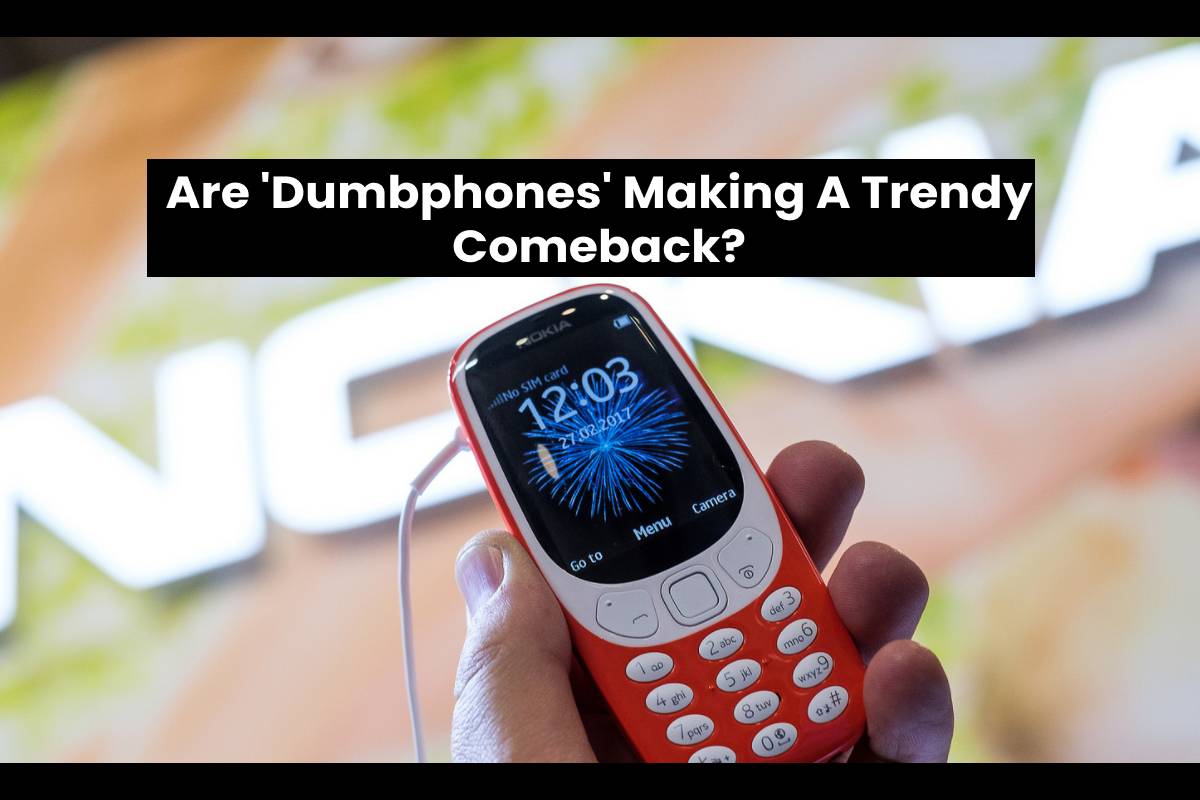
In recent years, however, there seems to be a movement away from these types of phones as previously consumers were choosing to purchase smart devices that were bigger and have more features than traditional phones. However, a new trend has seen the market go back in time as consumers are now choosing dumbphones over smartphones.
Table of Contents
Why are dumbphones trending again?
Some may consider dumbphones to be outdated and not able to compete with modern smartphones, however that’s where they are wrong. The phones are getting better and some are even more powerful than their smartphone counterparts.
The main reason why dumbphones are becoming popular again is due to the fact that their functions are not as advanced compared to smartphones, allowing users to disconnect from the online world which many are now finding overwhelming and overly time consuming. Many users are finding that smartphones are becoming more of a distraction than an aid and that users can function more efficiently with a dumbphone. This is evident as many students choose to carry around dumbphones to avoid the ‘Always on’ culture.
This desire to disconnect highlights the increasingly important role smartphones play in everyday behavior. Understanding how smartphones shape modern communication styles helps explain why some people are deliberately moving toward simpler devices. For families, excessive use can be an even greater concern, making strategies to combat children’s smartphone addiction particularly relevant. The huge selection of smartphone apps is another major difference between smartphones and basic phones.
The second reason for their popularity is because of the price, as previously mentioned dumbphones are much cheaper than smartphones. With the average price of a smart phone being between $200-800, it’s no wonder why people are choosing to buy less expensive basic phones instead. Another reason why they are becoming popular again is thanks to their ease of use compared to smartphones, which may seem daunting for some to use.
Price-conscious consumers have more options than simply moving back to a basic phone. Buying used mobile phones can provide access to smartphone functionality at a lower cost, while existing owners can consider whether to upgrade or repair their current phone. For people comfortable performing basic maintenance, having appropriate phone repair gadgets can also help extend the useful life of a device.
What does this mean for the future?
Since the impact of smartphones have been wide and heavy, and thanks to their important role in our everyday lives today, it’s hard to imagine a world where everyone reverts back to dumbphones. And so, it’s hard to say if the new trend will have an impact on smartphone manufacturers. However, consumers may be more inclined to purchase dumbphones instead of smartphones in the future, sparking a revolution in which smartphone companies begin to lose profit as their sales start decreasing. It also means that smartphone companies will have to take note of their products and develop something else if they want to remain relevant in today’s fast paced world.
Smartphone manufacturers are unlikely to stop innovating while demand for advanced features remains strong. Developments in mobile technology continue to expand what phones can do, while advances in AI transforming mobile technology are making smartphones increasingly intelligent and personalized. Features such as Find My Device and the ability to use WhatsApp Web on a desktop also demonstrate how today’s smartphone ecosystem extends beyond basic calling and messaging.
Will retro electronics make a comeback?
With the rise in popularity of dumbphones it’s possible we may begin to see a comeback for vintage devices such as the iPod, with many consumers saying how happy they are to be able to disconnect from technology and how that is why it is still popular today. We could see the re-emergence of Walkman and mp3 players, making their comeback as the younger generation move into a retro analogue world, disconnected from today’s busy, reliant digital world.
Another example of intentionally simplified mobile technology is the burner phone, although its purpose is different from the digital-detox motivation behind many dumbphones. At the same time, people who continue using smartphones should consider device protection, including choosing the right antivirus software for mobile devices. When moving between old and new devices, phone-to-phone transfer tools can also make it easier to migrate important information.
What does this mean for businesses?
For businesses this could potentially lead to an increase in the amount of dumbphones being purchased, this will leave companies with a choice where they can either develop their own dumbphones or stick to their smartphone line.
Businesses also increasingly depend on phone numbers for account creation, authentication and customer communication. Depending on the legitimate use case, users may encounter virtual phone numbers for SMS verification, a temporary phone number generator, or a one-time virtual phone number. Users can also explore options for obtaining a phone number online or learn how virtual phone numbers can be used for creating online accounts.
Technology has rapidly changed over the years creating waves of new and different types of devices. Smartphone users are too distracted by their phones to be safe on the roads, pedestrians and drivers alike have both been found to be distracted while on their smart devices. It seems that now the future of technology is murky, uncertain in the sense that many people are unsure whether they want to carry out more tasks on their phones or less. It’s clear that for some people old technology is better than new and with this being true it seems that dumbphones are here to stay.
Modern mobile technology has also introduced services that go far beyond ordinary calling. For example, users can learn how reverse phone number lookups work when researching unfamiliar callers. There are also tools that claim to read texts by entering a cell number and services marketed to track another person’s phone. Monitoring technologies of this kind should only be used with appropriate authorization and consideration for consent, privacy, device ownership, and applicable laws.