
Communication has shifted from structured exchanges to continuous, fragmented interactions. Smartphones sit at the center of this shift. They do more than transmit messages. They reshape how people think, respond, and connect. A short reply now replaces a long explanation. A reaction emoji can carry tone faster than words. People no longer wait for conversations to begin. They stay in an ongoing stream of micro-interactions. This constant connectivity changes expectations around speed, clarity, and presence. It also alters how relationships form and evolve. Communication becomes less formal, more visual, and often more immediate. Understanding these changes helps explain how digital behavior now defines modern social patterns.
This article is part of our Mobile Phones & Smartphones resource section.
The evolution of the mobile phone and advances in mobile technology have made this always-connected communication possible. The modern cell phone is no longer simply a voice-calling device; it supports messaging, social platforms, video, and countless other forms of digital interaction.
Table of Contents
The Structural Shift in Communication Behavior
From Scheduled Conversations to Continuous Interaction
Traditional communication followed clear boundaries. People made calls, wrote emails, or met in person. Each interaction had a defined start and end. Smartphones remove those boundaries. Conversations now unfold across hours or days without closure. A message sent in the morning may receive a reply late at night, yet both belong to the same thread. This creates a fluid structure where communication feels ongoing rather than episodic. Users adapt by checking messages frequently and responding in shorter bursts. The result is a rhythm built on continuity rather than completion, where silence no longer signals the end of a conversation but simply a pause within it.
This constant access can also make it difficult to separate communication from habitual device use. For families, practical strategies to combat children’s smartphone addiction can help establish healthier boundaries. Some users are even reconsidering whether constant connectivity is necessary, contributing to the discussion about whether dumbphones are making a trendy comeback.
The Compression of Language and Meaning
Smartphones encourage efficiency. Small screens and fast-paced exchanges push users to shorten their language. Abbreviations, emojis, and GIFs replace full sentences. This does not reduce meaning. It reshapes how meaning is delivered. A single emoji can express tone, emotion, or intent with high precision. Users learn to decode these signals quickly. Over time, communication becomes more symbolic and less descriptive. This compression changes writing habits even outside messaging apps. Emails, social posts, and even professional communication adopt shorter formats. The emphasis shifts from elaboration to clarity and speed, reflecting how users process information on mobile devices.
Much of this shift is driven by the enormous variety of smartphone apps available for communication. Messaging is also becoming less dependent on a single screen; for example, users can learn how to use WhatsApp Web on a desktop and continue their conversations across compatible devices.
Multichannel Conversations as the New Norm
A single conversation no longer stays within one platform. People move between messaging apps, social media, voice notes, and video calls. Each channel serves a different purpose. Text handles quick updates. Voice notes convey nuance. Video adds presence. Smartphones make switching between these modes effortless. As a result, communication becomes layered. A discussion may start in a group chat, continue through direct messages, and conclude in a call. This multichannel behavior increases flexibility but also requires users to manage context across platforms. It changes how attention is distributed and how conversations are remembered.
Artificial intelligence is adding another layer to these interactions as AI transforms mobile technology through smarter assistants, predictive features, and personalized experiences. When users move to another handset, phone-to-phone transfer methods can also help preserve contacts, messages, photos, and other information that forms part of their digital communication history.
The Cultural and Psychological Impact of Smartphone Communication
Digital Identity Shapes Expression Style
Smartphones do not just carry conversations. They host digital identities. Profiles, avatars, and curated feeds influence how people present themselves. Communication becomes part of personal branding. Users adjust tone, language, and content based on their audience. A message sent to close friends differs from one posted publicly. This awareness shapes communication styles at a fundamental level. People become more selective with words and visuals. They think about how messages will be perceived, shared, or archived. The smartphone acts as both a communication tool and a stage, where expression blends with identity management.
Phone numbers themselves have also become part of digital identity. Users may encounter virtual phone numbers for SMS verification, a temporary phone number generator, or a one-time virtual phone number when registering for online services. Depending on the legitimate use case, users can also explore options for obtaining a phone number online or learn how virtual phone numbers can be used for online accounts.
Real-Time Feedback Alters Emotional Dynamics
Immediate feedback changes how people experience conversations. Read receipts, typing indicators, and instant reactions create a sense of presence. Users expect quick responses and may interpret delays as signals. This shifts emotional dynamics. Communication feels more intense because reactions happen in real time. At the same time, it introduces new forms of pressure. People may feel the need to respond quickly or maintain engagement. Smartphones amplify both connection and expectation. They create an environment where communication is not only about content but also about timing and responsiveness.
As more personal communication moves onto smartphones, security and privacy become increasingly important. Choosing the right antivirus software for mobile devices can help protect a phone against digital threats, while the Find My Device feature can help users locate compatible devices associated with their own accounts.
Users may also encounter tools with very different purposes. A reverse phone number lookup may be used to research an unfamiliar caller, while some services claim to read texts by entering a cell number or are marketed to track another person’s phone. Accessing another person’s private communications or location should only be done with appropriate authorization and in accordance with applicable privacy laws.
Visual Communication Gains Dominance
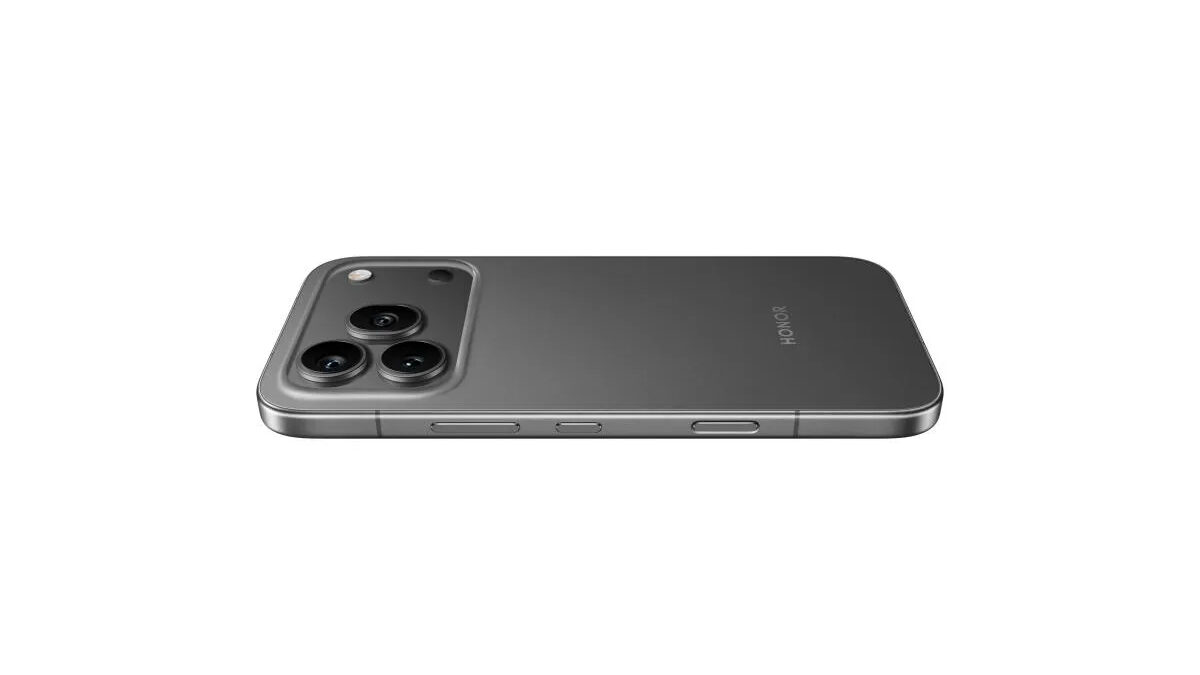
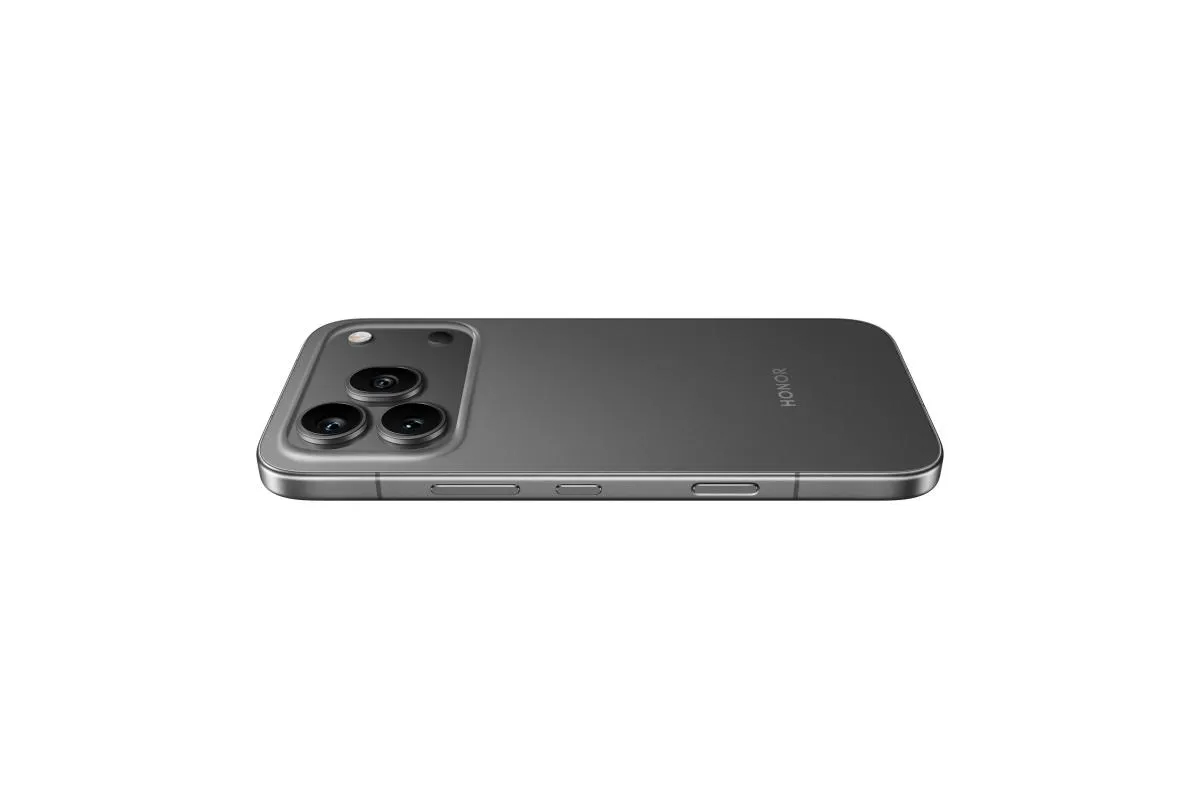
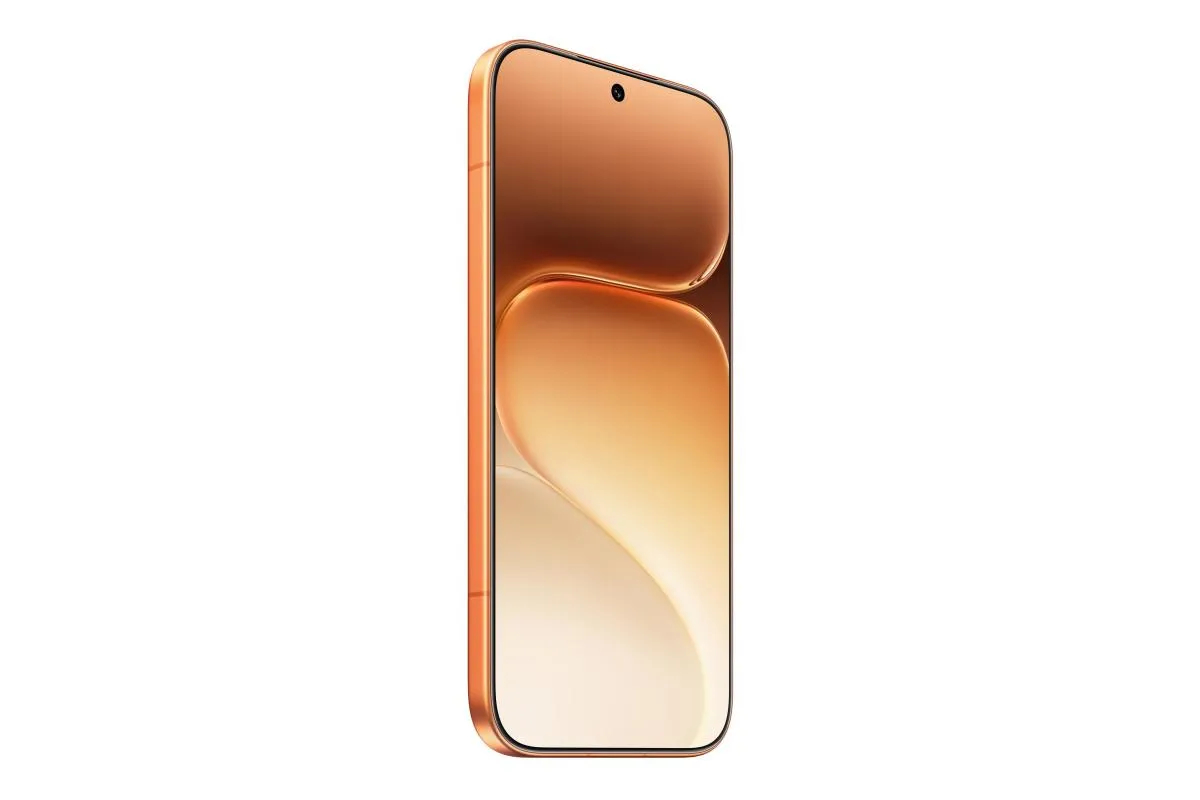
Images and videos now carry a significant share of communication. Smartphones make capturing and sharing visuals effortless. A photo can replace a long explanation. A short video can convey context, mood, and detail at once. This shift toward visual communication changes how stories are told. It favors immediacy and authenticity over structured narratives. Users rely on visuals to express experiences and emotions. This trend also influences language. Text often supports visuals rather than leading the message. Communication becomes more immersive, reflecting how people consume and share content on mobile platforms. Within this landscape, devices like the HONOR 600 Pro 5G smartphone support seamless transitions between text, voice, and visual interaction. This kind of flexibility aligns with how modern users expect communication to function across different contexts.
For users who depend heavily on their phones for communication and content creation, choosing the right device matters. A smartphone buying guide can help compare available choices, while considering the things to ask yourself before buying a phone can help identify which features are actually necessary.
Replacing a phone is not always the only solution when performance or hardware problems appear. Users can first consider whether to upgrade or repair their current phone. Suitable phone repair gadgets may help with certain problems, while used mobile phones illustrate another alternative to purchasing a brand-new handset.
Conclusion
Smartphones reshape communication by altering its structure, language, and emotional dynamics. Conversations move from defined exchanges to continuous interaction. Language becomes compressed yet expressive. Multiple channels blend into a single communication flow. At the same time, digital identity and real-time feedback influence how people present themselves and interpret others. Visual content grows in importance, changing how messages are constructed and understood. These shifts do not simply reflect technological change. They redefine social behavior. Communication becomes faster, more adaptive, and more layered. Understanding this transformation helps explain how relationships, work, and daily interactions now operate within a mobile-first environment.
At the same time, mobile communication now extends beyond permanent personal numbers and conventional smartphones. Understanding what a burner phone is, along with the growing use of virtual and temporary numbers, illustrates how users can separate different communication purposes. Together, these developments show how rapidly the mobile ecosystem continues to change the ways people connect, communicate, and manage their digital identities.