
Deciding whether to upgrade your phone or repair it is something most people face at some point. Your device may still work, but small issues like lag, poor battery life, or a cracked screen can slowly affect your daily experience. At the same time, upgrading feels like a bigger investment, which makes the decision less straightforward. The key is to balance cost, performance, and how well your phone supports your current lifestyle. In this article, we’ll explore practical ways to evaluate your situation and decide whether repairing or upgrading is the better choice for you.
This article is part of our Mobile Phones & Smartphones resource section.
Understanding how the modern mobile phone has evolved can also put this decision into perspective. Advances in mobile technology have turned the basic cell phone into a device used for communication, entertainment, work, photography, navigation, and many other everyday activities.
Table of Contents
Consider the Age of Your Device
Phones Over Three Years May Lack Security Updates
As smartphones age, they gradually receive fewer software and security updates. This means your device may become more vulnerable over time, even if it still works physically. Many users don’t notice this immediately, but it can affect app compatibility and overall reliability. Newer apps may not run properly, or certain features might stop working altogether. This creates a gap between what your phone can do and what modern apps expect. If your device is over three years old, it is worth considering whether continuing to rely on it is the best long-term option.
Security should therefore be part of the repair-versus-upgrade decision. Choosing the right antivirus software for mobile devices can provide another layer of protection on supported devices, while the Find My Device feature can help users locate compatible phones associated with their own accounts.
Performance Slowdowns Affect Daily Use
Performance tends to decline as your phone gets older, especially if you use it heavily every day. Apps may take longer to open, multitasking becomes less smooth, and even simple tasks can feel slower. These small delays add up and can make your overall experience frustrating. While some issues can be improved with basic maintenance, hardware limitations are harder to fix. Over time, a slower device can impact productivity and enjoyment. Recognizing this gradual slowdown helps you decide whether repair is enough or if an upgrade makes more sense.
The difference can become particularly noticeable as AI transforms mobile technology and newer devices gain increasingly sophisticated features. Modern smartphone apps can also place greater demands on processors, memory, storage, and operating systems than older hardware was designed to handle.
Evaluate Your Current Needs
Camera and Battery May No Longer Meet Your Standards
Your expectations for camera quality and battery life often change as your lifestyle evolves. What once felt sufficient may now feel limiting, especially if you rely more on your phone for photos, videos, or long days away from a charger. Older cameras may struggle in low light or fail to capture sharp details, while aging batteries drain faster than expected. These issues are not always fixable through repairs alone. If your daily activities depend on these features, upgrading may provide a noticeable improvement. Matching your device to your current needs ensures a smoother and more enjoyable experience.
If you decide that replacement makes more sense, a smartphone buying guide can help you compare available options. It is also worth considering the things to ask yourself before buying a phone so that battery life, camera performance, software support, storage, and other features match your actual requirements.
Storage Feels Restrictive for Apps and Photos
Storage limitations can quickly become frustrating, especially as apps and media files grow larger. You may find yourself constantly deleting photos or uninstalling apps just to free up space. This interrupts your routine and makes it harder to use your phone freely. Even cloud storage solutions cannot fully replace the convenience of having enough local space. Over time, limited storage can feel like a constant constraint. If this problem affects you regularly, it may be a strong sign that an upgrade is worth considering.
When upgrading because of storage or performance limitations, remember that your existing information will also need to move to the replacement device. A suitable phone-to-phone transfer method can help move contacts, photos, messages, documents, and other important data from the old handset to the new one.
When to Repair
Minor Damage on a Relatively New Phone
If your phone is still relatively new and performs well overall, repairing it is often the most practical choice. Issues like a cracked screen, worn battery, or minor hardware faults can usually be fixed at a reasonable cost. In these cases, the repair extends the life of your device without requiring a full replacement. This approach is especially useful if you are satisfied with your phone’s performance and features. It allows you to save money while maintaining functionality. Repairing makes sense when the problem is isolated and the rest of the device is still reliable.
For users comfortable with basic device maintenance, some phone repair gadgets are designed for tasks such as opening devices, handling small components, or replacing certain parts. More complicated repairs, however, may be better handled by an experienced technician.
You’re Happy with Overall Performance
Sometimes, your phone may have small issues, but you are still comfortable with how it performs day to day. If apps run smoothly, the camera meets your needs, and the battery is manageable, there may be no urgent reason to upgrade. In this situation, repairing specific problems can restore your device to a better state without unnecessary expense. This is a practical choice for users who prefer stability over change. It also gives you more time to evaluate future options. Being satisfied with your current experience is a strong reason to stick with repairs.
Not everyone needs the newest smartphone experience either. Growing interest in simpler devices has raised the question of whether dumbphones are making a trendy comeback. For families, keeping an existing phone rather than continually upgrading can also accompany practical strategies to combat children’s smartphone addiction and establish healthier device-use habits.
When to Upgrade
Multiple Components Are Failing
When several parts of your phone start to fail at the same time, repairing it may no longer be cost-effective. For example, if you are dealing with battery issues, poor camera performance, and slow processing all at once, fixing each problem individually can add up quickly. In such cases, upgrading provides a more comprehensive solution. A new device restores performance, reliability, and efficiency in one step. It also reduces the risk of future breakdowns. Recognizing when repairs become too frequent helps you make a smarter long-term decision.
Buying brand new is not the only replacement option. Depending on condition, software support, battery health, and price, used mobile phones illustrate how the second-hand market can provide another route for consumers replacing an aging device.
Software No Longer Receives Updates
If your phone has stopped receiving software updates, it may gradually lose compatibility with newer apps and features. This can limit what you can do with your device and reduce its overall usefulness. Security risks may also increase without regular updates. Over time, this creates a gap between your phone and modern technology standards. Upgrading ensures you stay current and avoid these limitations. It is an important factor that often justifies moving to a newer model.
Software compatibility matters particularly for communication services. Users may depend on features such as WhatsApp Web on a desktop and other connected services that work across devices. Such developments are part of how smartphones shape modern communication styles and why current software support can be important.
New Features Align with Your Lifestyle
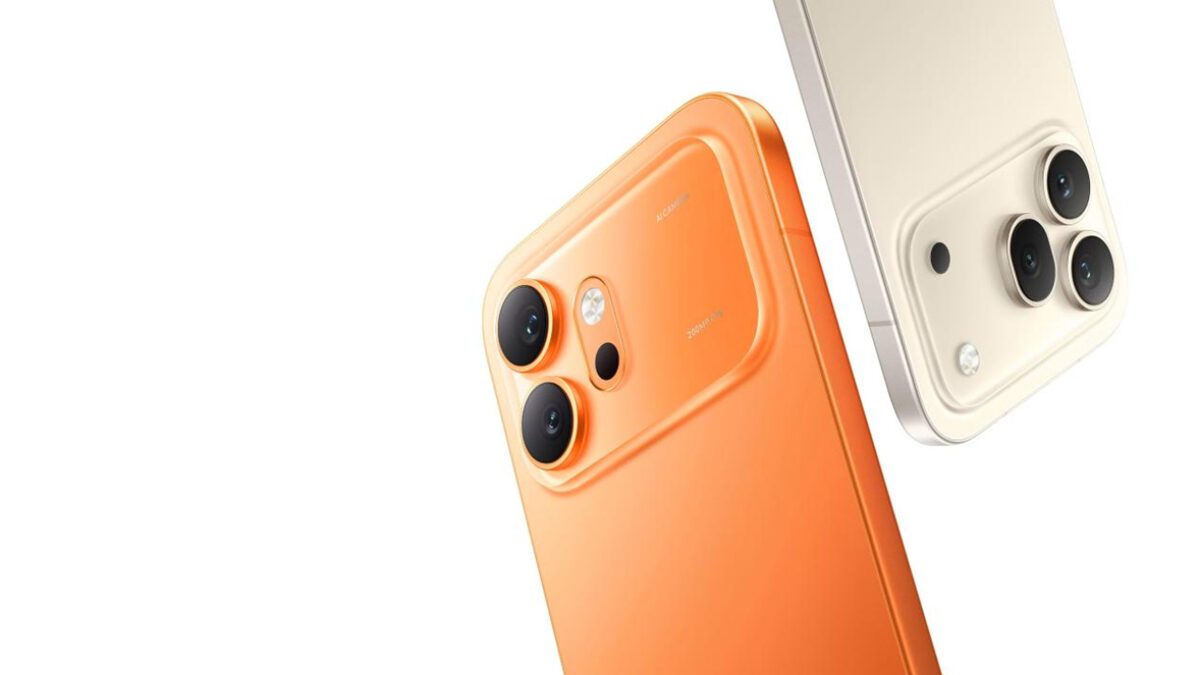
Technology continues to evolve, and newer smartphones often introduce features that better match modern lifestyles. For example, if you find yourself taking more photos, creating content, or spending long hours on your phone, having the right tools can make a big difference. Devices like the HONOR 600 reflect this shift by combining practical innovations such as a 200MP ultra-clear camera, long-lasting 7000mAh battery, ultra-bright display, and strong performance into a single experience. With additions like AI-powered imaging tools and a durable, water-resistant design, these improvements feel less like upgrades on paper and more like meaningful enhancements in everyday use.

Changing phones can also be a good time to review how your phone number and digital identity are managed. For example, a reverse phone number lookup can help research an unfamiliar caller using available information, while some online services provide options for obtaining a phone number online for particular communication needs.
Other services include virtual phone numbers for SMS verification, a temporary phone number generator, and options for using a one-time virtual phone number. Users can also learn how virtual phone numbers can be used for online accounts, subject to the registration and verification rules of the relevant service.
These virtual services are different from physical temporary devices. Understanding what a burner phone is helps distinguish a separate handset intended for temporary or limited use from an online virtual number.
Privacy and Security When Changing Phones
Whether you repair or replace a device, protecting personal information should remain a priority. Before handing a phone to another person, selling it, or sending it for repair, back up important data and consider what personal accounts, messages, photos, and authentication information remain stored on the device.
Users should also distinguish legitimate phone-management tools from services that may involve another person’s private information. Some services claim to read texts by entering a cell number, while others are marketed to track another person’s phone. Accessing another person’s messages, account data, or location should only occur with appropriate authorization and in accordance with applicable laws.
Conclusion
Choosing between repairing and upgrading your phone ultimately depends on your priorities and how you use your device. Repairing is often the better option for minor issues on a relatively new phone, especially if you are satisfied with its performance. However, upgrading becomes more appealing when your device struggles to keep up with your needs or shows multiple signs of aging. By carefully considering factors like performance, battery life, storage, and new features, you can make a decision that offers the best value. In the end, the right choice is the one that supports your daily life with reliability and ease.