

This article is part of our Digital Marketing Strategy resource section.
Video Marketing as a Corporate Pledge to Transparency
In the marketing world, the goal of communication usually leads back to sales and revenue targets. Within this broader approach, digital marketing provides businesses with additional ways to communicate with audiences and stakeholders.
But corporate communication can also be a valuable means of disseminating a message to consumers, and staying in touch with stakeholders, shareholders, and employees on important areas of focus. These communications can be supported by broader internet marketing tactics that help businesses reach audiences through online channels.
The same communication principles can be useful when developing a recruitment marketing plan that communicates an organization’s values to prospective employees.
This broader role of communication also helps explain why digital marketing is necessary for businesses seeking to maintain meaningful connections with their audiences.
A solid digital marketing foundation can help organizations build these communication efforts into a more consistent overall strategy.
Aside from the active management of COVID-19, the biggest call for global conversation has been the twin crisis of climate change and the call for more sustainable practices—both as they relate to the planet and to its people. As the pandemic waned on, the Great Resignation showed how companies across all industries have been falling behind in caring for the human side of doing business. And signs of environmental reprieve following the global stay-at-home slowdown has offered unmistakable proof that we’ve had an undue environmental impact; one that will be our responsibility to solve and improve.
In response to heightened consumer pressure, most businesses have adopted the eco-oriented language—‘going green,’ ‘eco-friendly,’ ‘sustainable packaging.’ But some talk can feel cheap, especially when everyone starts saying the same thing at once. Avoiding common digital marketing mistakes is particularly important when communicating claims that customers may scrutinize closely. Consumers need help differentiating corporate claims and ensuring their actions line up with their ideas.
Companies need new ways of communicating where they are on their sustainability journey and where they’re aiming to be. Exploring innovative digital marketing approaches can give companies additional ways to communicate these developments with their audiences.
Business leaders need to answer consumer questions and continue to ask new ones, to communicate their existing strategies and to stay up to date regarding best practices within their industry and beyond. Audience communication principles can also be adapted from specialized campaigns, such as those outlined in a sports camp marketing plan.
Following the golden rules of digital marketing can also help businesses communicate their values clearly and consistently across digital channels.
Below are three communication strategies that will help them get started. These approaches can complement other effective marketing tactics that businesses use to communicate with and engage their audiences.
For businesses publishing sustainability and transparency content online, strategies that drive traffic to your website can help more customers discover those communications.
Table of Contents
A Picture’s Worth A Thousand Words—A Video, More
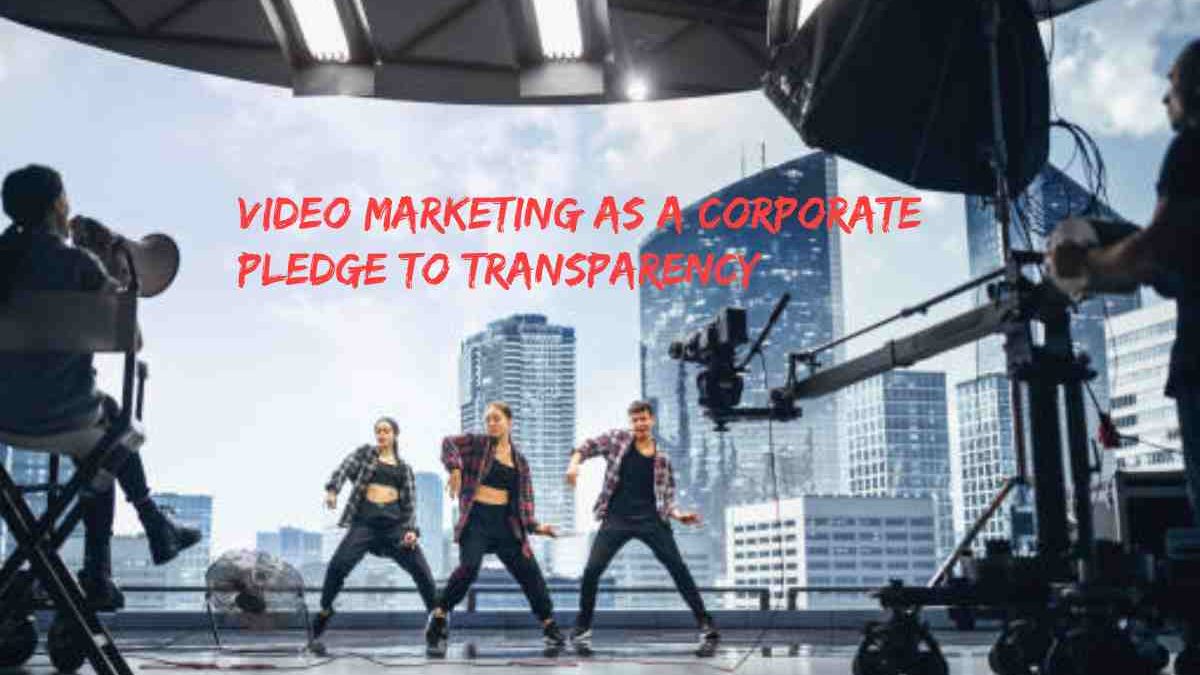
Video communications took over the marketing world when camera equipment became more affordable than ever and editing software could be accessed on a laptop. Modern digital marketing tools can make it easier for businesses to create, distribute, and measure this type of content.
The broader principles behind these campaigns can also be seen in these NFT marketing tips, where marketers use digital channels to build awareness and engagement. Since then, many companies know that moving images are the fastest way to real consumer resonance. The principles of ‘video marketing’ applied to the sustainability initiative can help companies be as transparent with their employees and client base as they’ve pledged to be.
Videos give customers and shareholders a visual look behind the scenes. In-house filming can show the team, the workflow, the company environment, and the process a product goes through before it reaches the consumer. Similar visual storytelling principles can be adapted by businesses in other sectors, including the approaches discussed in these restaurant marketing ideas.
Companies that need additional creative capabilities can also expand marketing or design teams remotely to bring specialized skills into their content operations. Whether live or recorded, those videos can convey important information and keep corporate teams accountable.
Businesses with region-specific audiences can also incorporate location-based marketing when distributing relevant communications. Real people in the company, if willing, can communicate real information. What does fair labor look like in action? Where are the products produced, how are those teams compensated, and how do they get where they’re going? No one expects companies to be perfect, but they do expect them not to hide their areas for improvement. Using video as an instrument for truth, transparency, commitment, and accountability is an important step for companies on the path to sustainability.
Showing Your Cards: Certification
In response to the survey question ‘what keeps you from buying from brands with better environmental practices,’ 23% of consumers said it was either too time consuming to research which brands are telling the truth, or too confusing to understand the claims they were making. For those consumers, who are short on time but committed to their new purchase values, certification goes a long way.
Engaging a neutral and accredited audit helps business owners understand their ecological achievements and their weak spots in order to communicate with consumers more directly. Information from those audits can be used to improve the company and to ensure all consumer-facing claims are on solid ground. If company leaders choose a well-known industry name that’s already earned trust among consumers, like B Labs, as an auditor, the resulting certificate will be enough peace of mind for the eco-conscious consumer to move forward.
The 21st Century Love Note: Sustainability Labeling
Video Marketing as a Corporate Pledge to Transparency – Finally, companies who offer physical products can infuse their smaller brand touch points with informative sustainability reminders. Product packaging can inform the consumer on the reused materials, the biodegradability, and the proper recycling process. The benefits of the packaging, or the product itself, can be made in concrete terms. These efforts can be strengthened by applying practical marketing tips that focus on making a brand’s message useful and understandable. Consumers can know how many plastic bottles, gallons of water, or trees were saved in the making. Sustainably-made products can tell their story directly on the label, whether it’s a journal made of apple peels or a mug from recycled bamboo.
Communication initiatives like these often have the added value of increasing sales. Businesses investing in marketing and communication can also investigate opportunities such as marketing grants where they are eligible.
The relationship between communication, customer engagement, and revenue is also important when considering how digital marketing affects business success. Sustainability can be a part of a great marketing campaign, and business leaders don’t have to forfeit their sales goals in the name of environmental stewardship. But the goal of these aforementioned strategies goes beyond sales and answers to the important call for greater transparency across all corporate operations. Only once we’ve been honest about where we stand can we take these important steps forward. Video-marketing, audit-backed certification, and on-product labeling gives consumers an accurate picture of exactly where a company stands on their path to doing better. Luckily, customers know companies aren’t perfect, and in exchange for open, ongoing communication, would be happy to meet them where they are and walk alongside them in that journey forward.
About Tara Milburn


Tara Milburn is the CEO of Ethical Swag, a sustainable branding company that helps hiring professionals and business leaders meet their ESG goals. A certified B-Corporation, Ethical Swag has been audited to the highest standards of sustainability.
Instagram – https://www.instagram.com/
