Smartphone and tablet displays are designed to be durable, but they are still exposed to scratches, impacts, dust, fingerprints, and everyday wear. Glass screen protectors provide an additional protective layer while allowing users to continue interacting with touchscreens, cameras, sensors, and biometric features.
Computer Tech Reviews welcomes original contributions from technology writers, accessory reviewers, repair professionals, mobile-device specialists, and contributors with practical knowledge of screen protection and smartphone or tablet accessories.
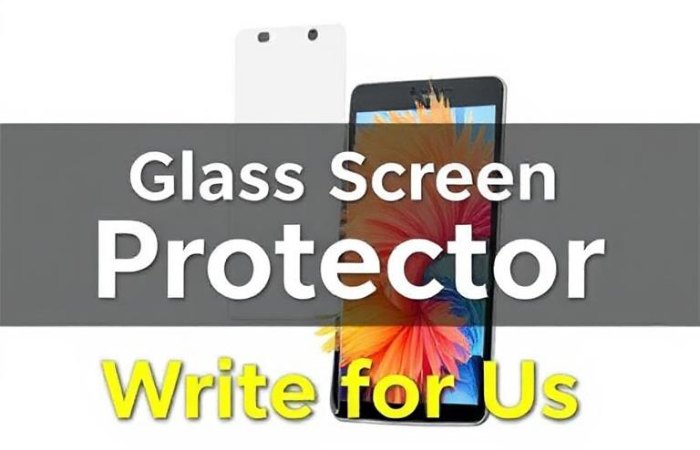
Our Glass Screen Protector Write for Us opportunity is intended for useful articles that help readers understand screen protector materials, compare different types of protection, choose compatible products, install protectors correctly, troubleshoot common problems, and make informed accessory purchases.
This contributor section is part of our broader Gadgets Write for Us hub, which covers mobile devices, computers, consumer electronics, accessories, audio equipment, cameras, gaming hardware, and other technology products.
Glass Screen Protector Topics We Welcome
We welcome practical tutorials, technical explainers, comparisons, installation guides, troubleshooting articles, buying guides, accessory reviews, and first-hand experiences involving screen protection for smartphones, tablets, and other compatible touchscreen devices.
A strong article should answer a useful question rather than simply promote a particular screen protector. Readers should understand what the product does, where its limitations are, and whether it is appropriate for their device and usage habits.
Tempered Glass Screen Protectors
Tempered glass is one of the most widely used materials for smartphone and tablet screen protection. Different products can vary in thickness, edge design, surface coating, transparency, adhesive coverage, installation method, and compatibility with cases or biometric features.
We welcome articles explaining how tempered glass protectors are manufactured, how they differ from other protective materials, what specifications actually matter, and what users should consider before choosing one.
Technical claims about hardness, impact resistance, or scratch protection should be explained carefully. Avoid presenting marketing terminology as proof of real-world durability without supporting evidence.
Screen Protector Types and Materials
Glass is not the only material used for display protection. Users may encounter plastic films, PET protectors, TPU films, hybrid materials, privacy protectors, matte protectors, anti-glare products, and other specialized designs.
Useful comparisons can examine clarity, touch sensitivity, scratch resistance, installation difficulty, thickness, fingerprint visibility, glare, edge coverage, durability, and compatibility with different displays.
Instead of declaring one material universally superior, explain the situations in which each option may be more appropriate.
Screen Protector Installation
Even a good screen protector can perform poorly when it is installed incorrectly. Dust, misalignment, trapped air, fingerprints, uneven adhesive contact, and poorly prepared displays are common causes of installation problems.
We welcome step-by-step installation guides covering screen preparation, alignment, dust removal, adhesive application, bubble prevention, edge inspection, and post-installation checks.
Instructions should identify any device-specific requirements when necessary, particularly for curved displays, camera cutouts, sensors, fingerprint readers, or unusual screen designs.
Screen Protectors for Smartphones
Smartphones are carried in pockets, bags, vehicles, workplaces, and many other environments where their displays can encounter keys, debris, hard surfaces, and accidental impacts.
Contributors can explore smartphone screen protection, case compatibility, edge coverage, display sensitivity, installation, replacement intervals, and differences between protectors designed for particular phone models.
Articles should avoid claiming that a screen protector makes a smartphone unbreakable. Screen protection can reduce certain risks, but the outcome of an impact depends on many factors.
Screen Protectors for Tablets and iPads
Tablet displays have larger surface areas and may be used differently from smartphone screens. Students, artists, professionals, gamers, and everyday users may also have different requirements for clarity, touch response, stylus performance, glare reduction, and surface texture.
We welcome articles about tablet and iPad screen protectors, including glass, matte, paper-like, anti-glare, privacy, and stylus-oriented products.
Comparisons should consider how the protector affects the actual tablet experience rather than focusing exclusively on protection.
Touch Sensitivity and Display Quality
A screen protector sits directly between the user and the display, so its optical and tactile characteristics matter. Thickness, surface coatings, adhesive quality, transparency, texture, and installation can influence how the display looks and feels.
Useful articles may discuss touch responsiveness, color clarity, brightness, reflections, fingerprints, viewing angles, gesture performance, stylus input, and how different screen protector designs influence everyday interaction.
Fingerprint Sensors, Cameras and Device Features
Modern smartphones can include in-display fingerprint sensors, facial-recognition systems, proximity sensors, front-facing cameras, curved displays, and edge gestures. A poorly matched protector may interfere with some of these features.
We welcome practical compatibility guides that explain what users should check before purchasing or installing a protector on devices with specialized display technologies.
Explore Related Mobile Technology Write for Us Pages
If your proposed article focuses more broadly on a mobile device, operating system, portable accessory, or connected gadget, choose the contributor section that most closely matches your subject.
Glass Screen Protector Comparisons and Buying Guides
A useful buying guide should explain which screen protector characteristics matter for a particular device and user. Price alone does not determine protection or usability, and technical claims printed on packaging may not tell the complete story.
When comparing screen protectors, contributors may consider factors such as:
- Device compatibility
- Glass or protective material
- Thickness
- Screen coverage
- Edge design
- Optical clarity
- Touch sensitivity
- Surface texture
- Fingerprint resistance
- Glare and reflections
- Case compatibility
- Fingerprint sensor compatibility
- Installation method
- Adhesive coverage
- Ease of replacement
- Price and overall value
Recommendations should explain why a particular protector is suitable for a particular type of user rather than presenting one product as universally best.
Screen Protector Troubleshooting and How-To Articles
Installation and compatibility problems are common reasons users search for information about screen protectors. Practical troubleshooting content can therefore provide considerable value.
We welcome guides addressing problems such as trapped bubbles, dust under the protector, lifting edges, poor adhesion, misalignment, reduced touch sensitivity, fingerprint sensor problems, cracks, scratches, case interference, and difficulty removing an old protector.
Where relevant, identify the smartphone or tablet model and the type of protector involved. A solution that works for a flat display may not apply to a curved screen or a device using an in-display fingerprint sensor.
Screen Protector Safety and Responsible Advice
Removing cracked glass or installing a replacement protector should be approached carefully. Damaged glass can develop sharp edges or small fragments, while excessive force or unsuitable tools can potentially damage a device.
How-to articles should provide sensible precautions and avoid recommending unnecessarily risky procedures. If a display itself appears damaged rather than just the protector, readers should be encouraged to distinguish between accessory damage and damage requiring professional repair.
What Makes a Strong Glass Screen Protector Article?
A strong article should help readers understand screen protection, solve an installation problem, compare available options, or make a more informed purchasing decision. Repeating a manufacturer’s product description is generally not enough.
We prefer submissions based on practical experience, careful testing, technical knowledge, documented research, or clearly explained observations.
Your article should:
- Address a specific screen protection question, problem, or purchasing decision.
- Identify the intended device or audience.
- Explain technical terminology when necessary.
- Distinguish manufacturer claims from demonstrated characteristics.
- Discuss practical advantages as well as limitations.
- Identify compatibility requirements where relevant.
- Explain installation procedures clearly and safely.
- Support technical or durability claims with reliable evidence.
- Explain testing methods when presenting comparative results.
- Disclose relevant relationships with manufacturers, retailers, or products.
Glass Screen Protector Article Ideas You Can Pitch
- Tempered glass vs. plastic screen protectors
- How to choose a screen protector for your smartphone
- How to install tempered glass without bubbles
- What causes screen protector edges to lift?
- When should you replace a cracked screen protector?
- How to remove a damaged glass screen protector safely
- Do screen protectors affect touch sensitivity?
- How screen protectors interact with fingerprint sensors
- Matte vs. clear screen protectors for tablets
- How to choose an iPad screen protector for stylus use
- Privacy screen protectors: benefits and limitations
- What does screen protector hardness actually mean?
- Full-coverage vs. case-friendly screen protectors
- Why bubbles appear under screen protectors
- How to clean a protected smartphone display
- How to determine whether the protector or display is cracked
- Do thicker screen protectors provide better protection?
- What to check before buying a screen protector online
Content We Are Unlikely to Accept
We are not looking for articles created primarily to advertise a screen protector, accessory brand, retailer, repair service, application, or backlink. Products can be discussed when genuinely relevant, but the article should provide independent value to readers.
We may reject submissions that simply rewrite product listings, repeat manufacturer claims without analysis, contain unsupported durability statements, use outdated compatibility information, repeat keywords unnaturally, or recommend products without explaining why they are appropriate.
Do not claim that you personally tested a screen protector unless you actually used or evaluated it. Research-based articles are welcome, but they should clearly distinguish documented information from first-hand experience.
AI tools may assist with research, organization, or drafting, but authors remain responsible for the final article. Product specifications, compatibility statements, technical claims, quotations, statistics, and factual information should be verified before submission.
Unedited or unverified AI-generated articles will not be accepted.
Editorial Guidelines
- Submit original content that has not been published elsewhere.
- Write a minimum of 800 words for a standard article.
- Use a clear title, introduction, descriptive headings, and short paragraphs.
- Write naturally for readers rather than search engines.
- Avoid unnecessary promotional or sales-focused language.
- Verify device and screen protector compatibility.
- Support technical and durability claims with reliable information.
- Use current device information where compatibility matters.
- Clearly distinguish personal testing from research-based conclusions.
- Disclose relevant commercial, sponsorship, employment, or product relationships.
- Use original or properly licensed photographs and images.
- Proofread and fact-check the complete article before submission.
- Our editorial team may edit submissions for accuracy, clarity, formatting, and readability.
How to Submit a Glass Screen Protector Guest Post
Before submitting a complete article, you may send us a short proposal explaining what you want to cover and why the topic would be useful to Computer Tech Reviews readers.
Your proposal can include:
- Your proposed article title
- A brief explanation of the topic
- The intended audience
- The problem or question the article will address
- A proposed outline
- The smartphones, tablets, or screen protectors involved
- Whether you personally tested the products discussed
- Links to relevant writing samples
- Details of any commercial relationship connected to the submission
Send your proposal or completed article to contact@computertechreviews.com.
For broader mobile technology and consumer-electronics topics, visit our Gadgets Write for Us hub to find the contributor section that most closely matches your article.
Frequently Asked Questions
Can I submit a glass screen protector guest post?
Yes. We welcome original articles about tempered glass, screen protection, installation, compatibility, durability, maintenance, mobile-device displays, and related accessories.
Can I write about smartphone screen protectors?
Yes. Smartphone screen protection is a core topic for this contributor section. Articles can cover compatibility, installation, materials, touch sensitivity, fingerprint sensors, cases, maintenance, and purchasing considerations.
Can I write about tablet or iPad screen protectors?
Yes. We welcome articles about screen protection for tablets and iPads, including glass, matte, anti-glare, privacy, and stylus-oriented protectors.
Can I compare tempered glass with other screen protectors?
Yes. Comparisons are welcome when they evaluate materials using meaningful criteria such as protection, clarity, touch response, installation, durability, thickness, and compatibility.
Can I submit a screen protector review?
Yes. Reviews should explain how the protector was evaluated and provide balanced observations about installation, fit, clarity, touch sensitivity, edge coverage, compatibility, durability, limitations, and value.
Can I submit installation and troubleshooting guides?
Yes. Practical guides are encouraged when the instructions are accurate, safe, and identify device-specific requirements where necessary.
Do I need to personally test the screen protector?
Not for every type of article. Research-based explainers can use reliable documentation and credible sources. However, you should never describe a product as personally tested or reviewed if you have not actually used it.
Can I submit AI-assisted content?
AI tools may assist with research, planning, or drafting, but the author remains responsible for the finished article. Compatibility information, technical claims, product specifications, quotations, statistics, and factual statements should be independently verified before submission.
Recent Posts
M4A vs MP3 for Transcription: What Actually Changes the Transcript
M4A vs MP3 for Transcription Comparing M4A vs MP3 for transcription is close to a non-question, and the reason is…
The Patch Window Problem: Why Small IT Teams Fall Behind on Updates
The Patch Window Problem This Article is a part of Cybersecurity Guides and Best Practices Every breach report that mentions…