Subscribe Now

Trending News

USB Flash Drive Write for Us – Submit a Flash Storage Guest Post

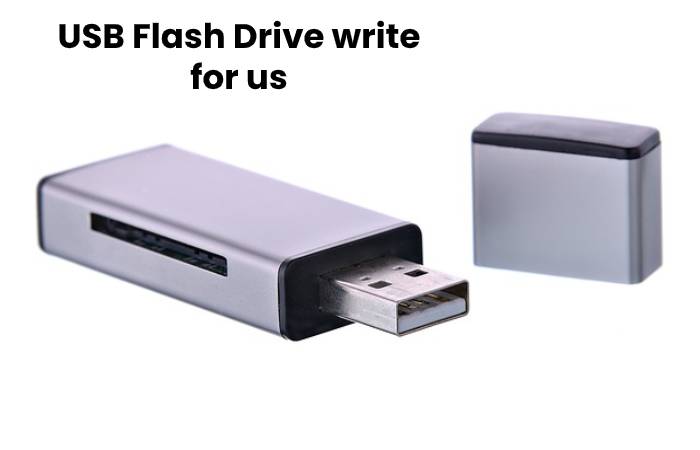
USB flash drives are one of the simplest ways to carry, transfer, back up, and share digital files. Their small size, solid-state storage, and broad compatibility make them useful for documents, photos, videos, software installers, recovery tools, bootable operating systems, and everyday file transfer.

Computer Tech Reviews welcomes original contributions from technology writers, IT professionals, storage specialists, system administrators, developers, PC enthusiasts, hardware reviewers, and contributors with practical experience using, testing, configuring, securing, or troubleshooting USB flash drives.

Our USB Flash Drive Write for Us opportunity is intended for useful articles that help readers understand portable flash storage, compare USB drive technologies, improve transfer performance, choose compatible devices, protect data, create bootable media, and solve common storage problems.

This contributor section is part of our broader Hard Drive Write for Us storage cluster and the wider Gadgets Write for Us hub. Writers covering SSDs, internal drives, memory cards, and optical media can also explore the related contributor pages below.

USB Flash Drive Topics We Welcome

We welcome USB flash drive explainers, buying guides, performance comparisons, USB-A and USB-C articles, file-system guides, encryption topics, bootable-drive tutorials, backup strategies, compatibility discussions, data-transfer guides, and practical troubleshooting content.

A strong USB flash drive article should explain how the device performs in real-world use rather than simply repeating storage capacity and advertised speed.

How USB Flash Drives Work

USB flash drives combine NAND flash memory, a controller, firmware, and a USB interface in a compact removable device.

We welcome articles explaining flash memory, controllers, storage capacity, file systems, interfaces, data transfer, and how USB drives differ from other storage technologies.

USB-A Flash Drives

USB-A flash drives remain widely used with desktop computers, laptops, televisions, media devices, servers, and other hardware equipped with conventional USB ports.

We welcome articles about compatibility, speed, transfer performance, connectors, older and newer USB standards, and troubleshooting USB-A storage devices.

USB-C Flash Drives

USB-C flash drives can connect directly to many modern laptops, smartphones, tablets, and computers, making them useful for transferring files across different types of devices.

We welcome articles about USB-C flash drives, connector compatibility, transfer speeds, mobile devices, dual-interface drives, USB standards, and practical use cases.

Articles should distinguish the physical USB-C connector from the USB data standard supported by the device.

Dual-Connector USB Flash Drives

Some flash drives include two connectors, such as USB-A and USB-C, allowing the same device to transfer files between older computers and newer portable devices.

We welcome articles about dual-interface drives, device compatibility, smartphone file transfers, laptop use, cross-platform workflows, and practical limitations.

USB Flash Drive Capacity

Flash drives are available in many capacities, from small devices intended for documents and installers to larger drives capable of carrying media libraries and backup data.

We welcome articles explaining storage capacity, usable space, formatting overhead, file-size requirements, and how to choose a drive according to workload.

USB Flash Drive Performance

Transfer speed can vary significantly between flash drives even when they use the same USB connector or standard.

We welcome articles about sequential reads and writes, sustained transfer performance, small-file behavior, controllers, flash memory, thermal behavior, and real-world file-copy performance.

Performance articles should distinguish advertised interface bandwidth from the actual performance of the storage device.

USB Standards and Flash Drives

USB terminology can be confusing because connector shapes, protocol generations, and marketing names do not always communicate real-world performance clearly.

We welcome articles explaining USB standards, USB-A, USB-C, transfer modes, backward compatibility, cables where relevant, and how to interpret device specifications.

Explore Related Storage Write for Us Pages

USB Flash Drive vs. SSD

USB flash drives and SSDs both use solid-state storage, but they are designed for different workloads.

Flash drives emphasize portability, convenience, and quick file transfer, while SSDs are generally built for higher sustained performance, operating-system storage, applications, gaming, professional workloads, and more intensive use.

We welcome comparisons involving:

  • Performance
  • Capacity
  • Portability
  • Durability
  • File transfers
  • Sustained workloads
  • Operating-system use
  • Backup storage
  • Thermal behavior
  • Price

Articles focused primarily on solid-state computer storage can use our SSD Write for Us section.

USB Flash Drive vs. Hard Drive

USB flash drives and hard drives both provide portable storage options, but they differ substantially in capacity, physical construction, performance, portability, and intended use.

Flash drives are smaller and contain no moving read/write components, while hard drives typically offer much greater storage capacity at a lower cost per gigabyte.

Articles focused mainly on HDD technology can use our Hard Drive Write for Us page.

USB Flash Drive vs. Internal Hard Drive

An internal hard drive is designed to remain installed inside a computer or storage system, while a USB flash drive is designed primarily for portability and removable storage.

We welcome comparisons involving transfer speed, capacity, installation, portability, backups, file sharing, and long-term storage.

Internally installed HDD topics can be directed to our Internal Hard Drives Write for Us section.

USB Flash Drive vs. Memory Card

USB flash drives and memory cards both use flash storage and are designed to be removable, but they are commonly used with different types of devices.

USB drives are frequently used with computers, while memory cards are common in cameras, drones, smartphones, handheld devices, and embedded electronics.

We welcome comparisons covering:

  • Portability
  • Capacity
  • Speed
  • Device compatibility
  • Durability
  • File transfer
  • Photography and video
  • Computer use
  • Cost

Memory-card-specific articles can use our Memory Card Write for Us page.

USB Flash Drives and Optical Storage

USB flash drives have replaced optical media for many software-installation and file-transfer tasks because they are rewritable, portable, and generally provide greater flexibility.

We welcome articles comparing USB storage with discs, migrating older files, creating installation media, preserving legacy data, and transitioning from optical storage to modern removable media.

Optical-hardware topics can use our Optical Drives Write for Us section, while disc-specific topics can use our DVD Write for Us page.

USB Flash Drive Buying Guides

A useful USB flash drive buying guide should begin with what the user intends to store or transfer rather than simply recommending the highest-capacity device.

When comparing flash drives, contributors may consider:

  • Capacity
  • USB-A or USB-C connector
  • Supported USB standard
  • Read performance
  • Write performance
  • Sustained transfer performance
  • Physical size
  • Build quality
  • Connector protection
  • Dual-interface support
  • Device compatibility
  • Encryption features
  • Software support
  • Warranty
  • Price
  • Intended workload

Recommendations should explain why a particular drive suits the intended use rather than relying exclusively on maximum advertised speed.

USB Flash Drives for File Transfer

Moving files between computers remains one of the most common uses for a USB flash drive.

We welcome articles about transferring documents, photos, videos, software, project files, and other data between Windows, macOS, Linux, ChromeOS, and compatible mobile devices.

Articles should discuss file-system compatibility where it affects cross-platform use.

USB Flash Drives for Backups

USB flash drives can be useful for carrying copies of selected files, recovery tools, or small backup sets, but they should not automatically be treated as the only backup location for important data.

We welcome articles about:

  • Backing up documents
  • Keeping offline copies of important files
  • Emergency recovery files
  • Backup rotation
  • Encryption
  • Safe storage
  • Verifying copied files
  • Combining USB storage with other backup methods

Bootable USB Flash Drives

USB flash drives are commonly used to create bootable installation, recovery, diagnostic, and maintenance media.

We welcome articles explaining how bootable USB drives work, operating-system installation media, recovery environments, BIOS or UEFI boot options, partition schemes, and troubleshooting boot problems.

Guides should clearly identify when creating bootable media will erase existing data on the flash drive.

USB Flash Drives for Operating-System Installation

Modern operating systems are frequently installed from USB storage rather than optical discs.

We welcome practical guides about preparing installation drives, verifying image files, selecting boot options, troubleshooting installation media, and safely reusing a drive after installation.

USB Flash Drives for Windows, macOS and Linux

USB flash drives can be used across multiple operating systems, but file-system choices and device policies may affect compatibility.

We welcome articles about cross-platform storage, formatting, mounting, permissions, file-size limits, file systems, and safely moving data between computers.

USB Flash Drives for Smartphones and Tablets

USB-C flash drives and dual-connector devices can make it easier to transfer photos, videos, documents, and other files between compatible mobile devices and computers.

We welcome articles about mobile compatibility, file managers, USB-C connections, storage permissions, transferring media, and backing up selected files.

USB Flash Drive File Systems

The file system used on a flash drive can affect device compatibility, maximum file sizes, operating-system support, and how the storage is used.

We welcome articles explaining file systems such as FAT32, exFAT, NTFS, and other relevant formats in the context of removable storage.

File-system guides should explain practical trade-offs rather than recommending one format for every situation.

Formatting a USB Flash Drive

Formatting prepares a flash drive with a file system and may be necessary when changing devices, resolving certain storage problems, or preparing the drive for a new purpose.

We welcome practical guides explaining:

  • When formatting may be necessary
  • How file systems differ
  • Quick vs. other formatting options where relevant
  • Cross-platform compatibility
  • File-size limitations
  • Bootable-media requirements
  • Backup precautions

Formatting guides should clearly warn readers that formatting can remove existing data.

USB Flash Drive Performance and Benchmarking

Flash-drive performance can vary considerably depending on the controller, NAND memory, interface, capacity, file size, workload, temperature, and how full the device is.

If presenting benchmark results, provide relevant information such as:

  • Flash-drive model
  • Capacity
  • USB connector type
  • USB standard
  • Computer or test platform
  • Operating system
  • File system
  • USB port used
  • Test software
  • Test file sizes
  • Drive fill level where relevant
  • Testing methodology

Articles should distinguish short burst performance from sustained file-transfer performance.

USB Flash Drive Security

Because USB flash drives are small and portable, they can be easily lost, misplaced, or accessed by someone else if sensitive files are not protected.

We welcome defensive articles about:

  • File encryption
  • Encrypted USB drives
  • Password protection
  • Secure storage
  • Access control
  • Safe use on shared computers
  • Protecting sensitive business files
  • Responsible disposal

Security articles should focus on protecting legitimate users and their data.

USB Flash Drive Safety on Unknown Computers

Removable storage can interact with unfamiliar computers, making basic security practices important when moving files between systems.

We welcome defensive articles about scanning files, keeping operating systems updated, avoiding untrusted software, protecting important files, and safely using removable storage in shared environments.

USB Flash Drive Data Recovery

Accidental deletion, file-system corruption, physical damage, or controller failure can make files stored on a flash drive inaccessible.

We welcome responsible articles explaining basic recovery concepts, backups, deleted files, corrupted storage, and when professional recovery assistance may be appropriate.

Articles should avoid guaranteeing successful recovery and should explain that continued writes to a device can reduce recovery opportunities in some situations.

USB Flash Drive Troubleshooting and How-To Articles

USB flash drive problems can involve the device, USB port, operating system, file system, drivers, permissions, partition structure, or hardware failure.

We welcome practical troubleshooting guides addressing issues such as:

  • A USB flash drive not being detected
  • A drive not appearing in File Explorer or another file manager
  • A USB drive appearing with the wrong capacity
  • A flash drive asking to be formatted
  • Slow file-transfer speeds
  • Write-protection errors
  • Files becoming inaccessible
  • A flash drive disconnecting unexpectedly
  • A USB-C drive not working with a phone
  • A bootable USB drive not booting
  • A flash drive working on one computer but not another
  • Large files failing to copy
  • File-system compatibility problems
  • Permission problems
  • Corrupted partitions

Where relevant, identify the flash-drive model, capacity, connector, USB standard, operating system, file system, computer, and symptoms involved.

USB Flash Drive Durability and Maintenance

Flash drives have no spinning platters, but connectors, housings, controllers, and flash memory can still be damaged by physical stress, moisture, heat, electrical problems, or repeated use.

We welcome articles about connector protection, safe removal, storage, avoiding excessive heat, maintaining backups, and recognizing signs of device failure.

No flash drive should be treated as the sole permanent location for irreplaceable files.

USB Flash Drive Lifespan and Endurance

NAND flash memory has finite write endurance, but actual device lifespan depends on flash quality, controller design, workload, usage, capacity, environment, and other factors.

We welcome articles discussing flash endurance and storage longevity when claims are supported by reliable information.

Avoid presenting a fixed number of years as the guaranteed lifespan of every USB flash drive.

What Makes a Strong USB Flash Drive Article?

A strong USB flash drive article should help readers understand portable storage, choose the right device, transfer files more effectively, protect data, create bootable media, or solve a technical problem.

We prefer submissions based on practical experience, technical knowledge, documented research, reproducible testing, or clearly explained observations.

Your article should:

  • Address a specific USB flash drive or portable-storage question.
  • Identify the intended use.
  • Identify the flash-drive model when device-specific information matters.
  • Distinguish USB connector type from USB data standard.
  • Explain technical terminology when necessary.
  • Verify operating-system and device compatibility.
  • Explain practical advantages, limitations, and trade-offs.
  • Describe testing methodology when performance results are included.
  • Support technical claims and statistics with reliable sources.
  • Warn readers before formatting or erasing storage.
  • Clearly distinguish personal testing from research-based conclusions.
  • Disclose relevant relationships with manufacturers, retailers, developers, or products.

USB Flash Drive Article Ideas You Can Pitch

  • How USB flash drives work
  • USB flash drive vs. SSD
  • USB flash drive vs. hard drive
  • USB flash drive vs. memory card
  • USB-A vs. USB-C flash drive
  • How to choose the right USB flash drive
  • How much USB flash drive capacity do you need?
  • How USB flash drive transfer speeds work
  • Why two USB flash drives can have very different speeds
  • How to choose a USB drive for large files
  • How to choose a USB flash drive for a smartphone
  • How to transfer files between a phone and computer
  • How to format a USB flash drive
  • FAT32 vs. exFAT vs. NTFS for USB drives
  • How to create a bootable USB flash drive
  • How to use a USB drive for operating-system installation
  • How to encrypt a USB flash drive
  • How to protect sensitive files on portable storage
  • How to troubleshoot a USB drive that is not detected
  • Why a USB flash drive may become slow
  • Why large files may fail to copy to a USB drive
  • How to troubleshoot a write-protected USB drive
  • Why a flash drive may ask to be formatted
  • How to safely reuse a bootable USB drive
  • How to check a USB flash drive before buying it used

Content We Are Unlikely to Accept

We are not looking for articles created primarily to advertise a flash drive, storage manufacturer, retailer, software product, recovery service, or backlink. Products and services can be discussed when genuinely relevant, but the article should provide independent value to readers.

We may reject submissions that simply reproduce manufacturer specifications, contain unsupported performance or endurance claims, promise guaranteed data recovery, repeat keywords unnaturally, or recommend storage devices without explaining why they suit the intended use.

Do not claim that you personally tested a USB flash drive unless you actually used it. Research-based articles are welcome, but they should clearly distinguish documented information from first-hand experience.

AI tools may assist with research, planning, organization, or drafting, but authors remain responsible for the final article. USB specifications, transfer speeds, compatibility claims, file-system information, endurance data, benchmark results, quotations, statistics, and factual statements should be independently verified before submission.

Unedited or unverified AI-generated articles will not be accepted.

Editorial Guidelines

  • Submit original content that has not been published elsewhere.
  • Write a minimum of 800 words for a standard article.
  • Use a clear title, introduction, descriptive headings, and short paragraphs.
  • Write naturally for readers rather than search engines.
  • Avoid unnecessary promotional or sales-focused language.
  • Verify flash-drive capacity, connectors, USB standards, and compatibility information.
  • Support factual claims, performance figures, endurance data, and statistics with reliable sources.
  • Clearly distinguish personal testing from research-based conclusions.
  • Explain benchmark methodology when performance results are included.
  • Warn readers clearly before formatting, partitioning, or erasing storage devices.
  • Avoid making guarantees about device lifespan or data recovery.
  • Disclose relevant commercial, sponsorship, employment, or product relationships.
  • Use original or properly licensed photographs, diagrams, charts, and screenshots.
  • Proofread and fact-check the complete article before submission.
  • Our editorial team may edit submissions for accuracy, clarity, formatting, and readability.

How to Submit a USB Flash Drive Guest Post

Before submitting a complete article, you may send us a short proposal explaining what you want to cover and why the topic would be useful to Computer Tech Reviews readers.

Your proposal can include:

  • Your proposed article title
  • A brief explanation of the topic
  • The intended use or audience
  • The flash-drive models or technologies involved
  • The question or problem the article will address
  • A proposed outline
  • The connector and USB standard where relevant
  • The testing methodology if performance results are included
  • Whether you personally tested the device discussed
  • Links to relevant writing samples
  • Details of any commercial relationship connected to the submission

Send your proposal or completed article to contact@computertechreviews.com.

For broader storage topics, visit our Hard Drive Write for Us section. Solid-state computer storage topics can use our SSD Write for Us page, while camera and portable-device storage topics may fit our Memory Card Write for Us section.

Frequently Asked Questions

Can I submit a USB flash drive guest post?

Yes. We welcome original articles about USB drives, portable flash storage, USB-A and USB-C, transfer performance, file systems, bootable media, encryption, backups, compatibility, and troubleshooting.

Can I write about USB-C flash drives?

Yes. Articles can cover USB-C connectors, mobile compatibility, laptops, tablets, dual-connector drives, transfer performance, and troubleshooting.

Can I compare USB flash drives and SSDs?

Yes. Comparisons can cover performance, portability, capacity, sustained workloads, computer storage, backups, durability, and price.

Can I compare USB flash drives and memory cards?

Yes. Articles can compare capacity, speed, device compatibility, portability, photography, video, computer use, and file-transfer workflows.

Can I write about bootable USB drives?

Yes. We welcome articles about operating-system installation media, recovery environments, BIOS or UEFI boot options, partitioning, and troubleshooting boot problems.

Can I write about USB flash drive security?

Yes. Defensive articles can cover encryption, password protection, secure file storage, removable-media safety, and responsible disposal.

Can I write about formatting USB drives?

Yes. Articles can explain FAT32, exFAT, NTFS, cross-platform compatibility, formatting options, and practical use cases. Guides should clearly warn readers that formatting may erase existing files.

Can I submit USB flash drive troubleshooting articles?

Yes. Troubleshooting guides are encouraged when they use a logical process to identify whether the problem involves the drive, USB port, computer, file system, operating system, permissions, or hardware.

Do I need to personally test the USB flash drive I write about?

Not for every type of article. Research-based explainers can use reliable documentation and credible sources. However, you should never describe a flash drive as personally tested or reviewed if you have not actually used it.

Can I submit AI-assisted content?

AI tools may assist with research, planning, or drafting, but the author remains responsible for the finished article. USB specifications, transfer speeds, compatibility information, file-system details, benchmark results, quotations, statistics, and factual statements should be independently verified before submission.