
This Article is a part of
Network Security Guide
Table of Contents
VPN Concentrator Definition
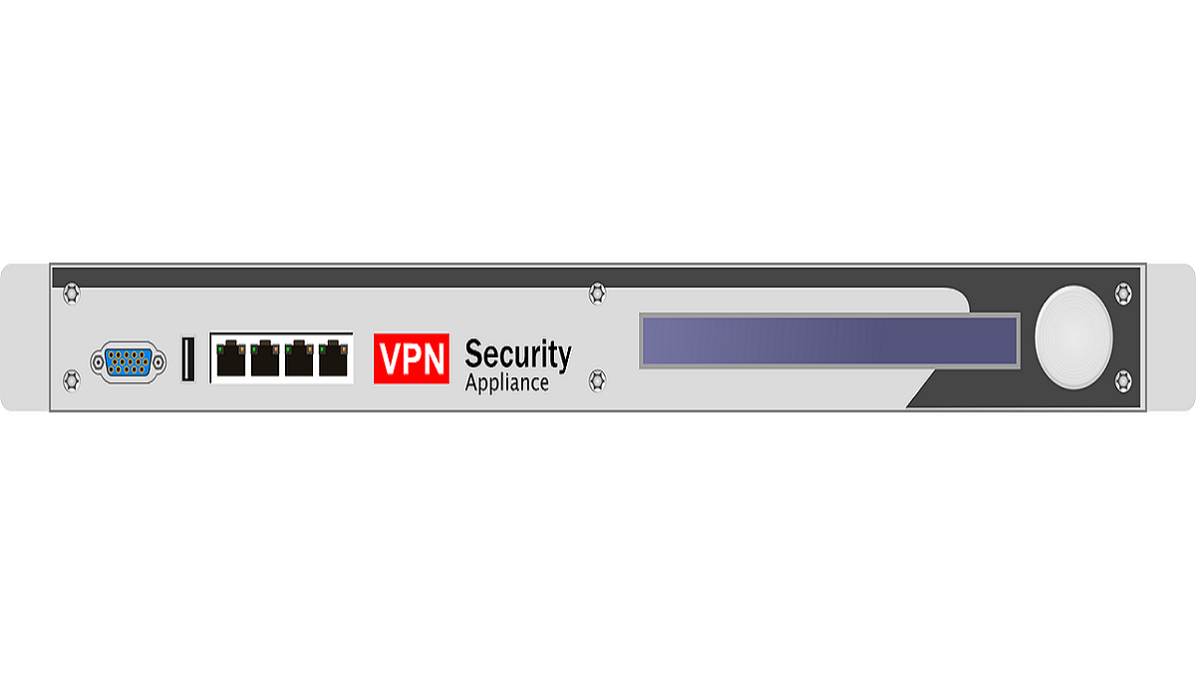
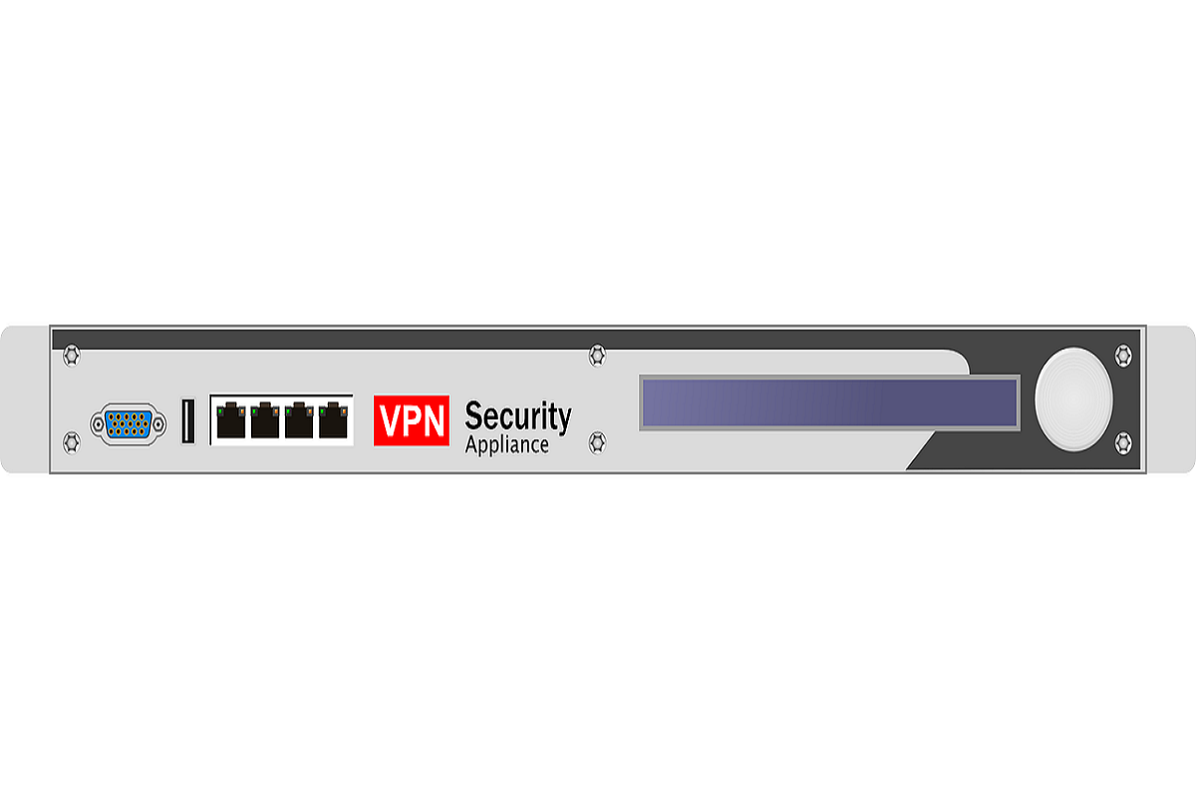
A VPN concentrator is a Systems Administration device that allows an individual to connect to a network from anyplace in the world, through multiple VPN tunnels. This tool is particularly useful in the age of ‘digital nomads.’
Review VPN browsers at the link, choose the best one for your tasks and for better anonymity online.
Before looking at the role of a VPN concentrator, it helps to understand how VPNs work and why organizations use them for secure remote connectivity.
How do VPN Concentrators Work?
Imagine that you create a business and hire people from different parts of the world online. Now, you need all these people to connect to your company’s network and access their work files as though they were physically present at the office.
A VPN concentrator enables you to create a secure network for your workers to collaborate and get things done.
Previously, this did accomplish by consolidating a few dial-up modems to build data transfer capacity and clients associated utilizing the Remote Access Service (RAS) on Windows NT4.0. Today, VPN concentrators have changed how this is done. This tool is not only useful in the corporate setting, but also the military.
A VPN concentrator doesn’t simply create connections; it helps manage secure remote access at scale. Understanding what a VPN does beyond creating a connection provides useful context for its role in an enterprise environment.
There are many free vpn for windows in the market.
Why do you need a VPN Concentrator?
The ability to enable users access files remotely is not unique to VPN concentrators. A VPN router and site-to-site VPN connections can perform the same function. What makes VPN concentrators unique is that they can provide secure VPN tunnels for thousands of people at the same time.
- VPN concentrators sometimes describe as advanced VPN routers. They are more suited for large businesses rather than a home network.
- If you are running a small business, you probably do not need a VPN concentrator. Although it may take time to configure and authenticate multiple clients, it is possible to create a VPN network to support users from all over the world using a router.
- A VPN concentrator is way more expensive than a simple VPN browser. It is not a feasible option unless you have hundreds or thousands of people using a network, and the security of your data is of utmost importance.
- Meanwhile, a site-to-site VPN connection is more suited for remote users with fixed locations. You cannot use this type of VPN connection if you have to change your location frequently. Also, a site-to-site VPN connection is not suitable when you have multiple users. A site-to-site VPN connection is perfect for something like creating a VPN network between your computer at home and the office.
- Another option for creating a remote connection between your devices is using remote desktop software. While remote desktop software can be useful, it does not work on the same scale as VPN concentrators.
- Also, a remote desktop software does not provide any encryption, so your personal information is at risk if you are using them. The fact that remote desktop systems are built with static IP addresses makes them particularly susceptible to a security breach.
- VPN concentrators are particularly useful when organizations need to support large numbers of remote employees. This is why understanding why businesses use VPNs for secure remote access is important when evaluating enterprise VPN infrastructure.
- Apart from being able to support more users, there are other advantages of using VPN concentrators over VPN routers. Most modern VPN concentrators come with highly effective firewalls. VPN concentrators also provide data encryption, allow you to create VPN tunnels, and authenticate users as well as assign tunnels to users.
- A VPN concentrator can help manage secure connections, but using a VPN doesn’t automatically make every device or connection completely secure. It’s worth understanding these common VPN myths before relying on VPN technology as a complete security solution.
Which VPN Concentrator encryption to choose: IPSec or SSL?
There are two types of security protocols for CPN concentrators: Internet protocol security (IPsec) and secure socket layer (SSL).
The use of IPSEC is more than SSL. It provides remote users with the same level of network access that they get if they connect locally. IPSEC is more secure than SSL. However, users need to configure client software on their device to be able to connect to the VPN network.
Many businesses use IPSEC as the protocol for their VPN concentrator network. IPSEC is best to access a VPN from a fixed location like your home or office.
Traditional VPN infrastructure isn’t the only approach to remote access. Depending on the organization’s requirements, these VPN alternatives may provide more application-specific or identity-based access.
SSL, on the other hand, is now a ubiquitous web encryption protocol. It is built into most browsers. With SSL, there is no need for software configuration. Also, you do not need a fixed location when using the SSL protocol to access a VPN. You can connect to the network with just about any device. However, it only gives remote users access to web-based applications.
VPN concentrators may support different VPN technologies depending on the deployment. Understanding the differences between SSL VPN and IPsec VPN can help when evaluating remote-access requirements.
A VPN concentrator is only one part of a broader security architecture. To understand how VPNs work alongside firewalls, segmentation, Zero Trust, access controls, and monitoring, see our broader Network Security strategy.
Also Read: What is Metacrawler? Definition, Uses, Advantages and More