
This article is part of our Digital Marketing Strategy resource section.
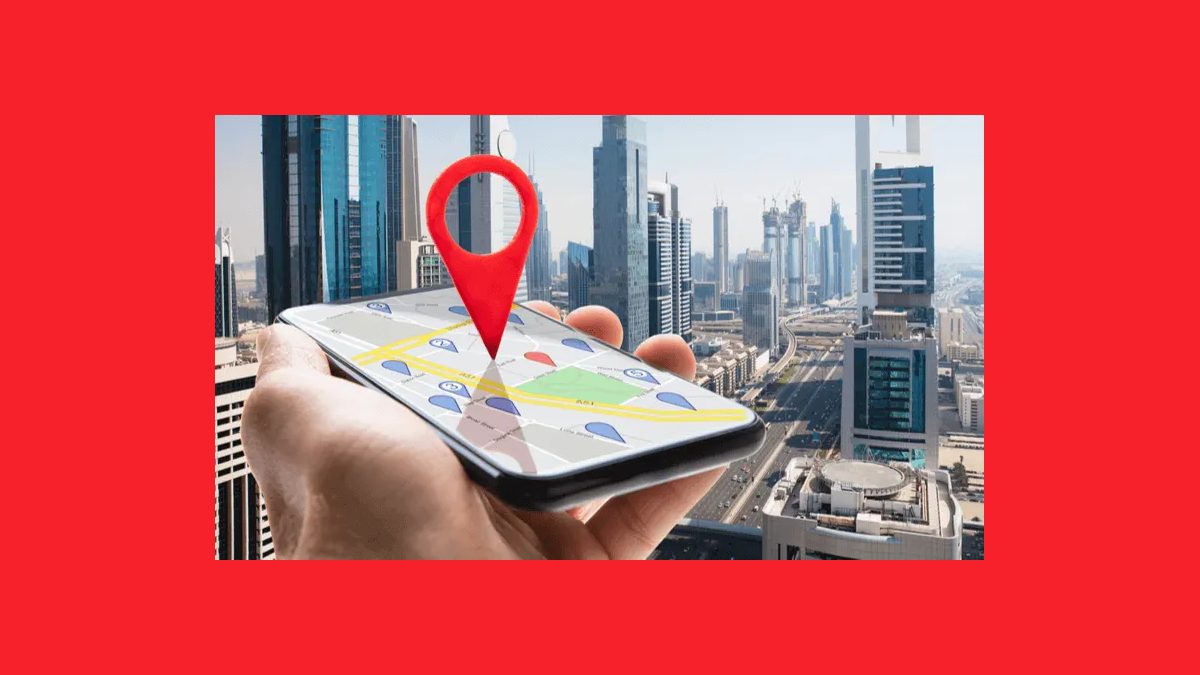
Businesses can effectively engage with their target audience in particular geographic areas by using location-based marketing. This approach is one part of broader digital marketing, where businesses use online channels and technologies to reach specific audiences. They can send users personalized messages, offers, and promotions based on their current location by utilizing location data and technology.
However, in order to effectively reach and engage with the target audience, location-based marketing necessitates an outreach strategy that integrates multiple optimization tactics. Applying the golden rules of digital marketing can help ensure that these tactics remain focused on relevance, audience needs, and measurable objectives.
We will go over important methods and approaches in this in-depth guide to help companies get the most out of location-based marketing initiatives. These efforts work best when they are built on a solid digital marketing foundation that connects audience targeting, content, technology, and measurement.
Table of Contents
Understanding the Importance of Location-Based Marketing
There are various benefits associated with location-based marketing for companies trying to reach out to customers in particular regions. First of all, it makes it possible for companies to target customers with timely and relevant messages according to where they are at that moment, which raises the chance of engagement and conversion.
Additionally, since so many consumers now rely on their smartphones for local information and services, location-based marketing enables businesses to capitalize on mobile users. A structured marketing plan can help businesses organize these location-specific activities around defined audiences, goals, and promotional channels. Businesses can deliver hyper-targeted campaigns that connect with their audience and produce results by utilizing location data. This ability to reach customers with relevant messages also illustrates why digital marketing is necessary for businesses operating in increasingly competitive online markets.
Providing Relevant Content
Developing and disseminating pertinent content that appeals to the neighborhood is crucial for optimizing reach in location-based advertising. This could include news, events happening nearby, or neighborhood projects that your target audience would find interesting.
You may enhance brand loyalty and trust among local users and boost marketing campaign engagement by presenting your company as a helpful source of information and entertainment in your area. Businesses can also apply these principles alongside other practical marketing tips when developing campaigns designed around customer engagement. Additionally, sharing user-generated content such as photos, reviews, and testimonials can further strengthen your brand’s connection with the local community. Brands can extend this local storytelling through video marketing, particularly when showcasing customers, products, events, or community activities.
Engaging with Local Influencers
Engaging in partnerships with nearby influencers or companies can greatly increase the reach of location-based marketing initiatives. Local influencers can help spread your message to their audience because they frequently have a devoted following within a particular region.
Businesses can use influencers’ credibility and reach to draw in new clients and raise brand awareness locally by collaborating with them and finding influencers who share their values and target market. The same principles of audience targeting and relationship building can also be applied to hiring through a focused recruitment marketing plan.
This type of community-focused promotion is also relevant to emerging digital markets, where NFT marketing strategies can depend on influencers, communities, and online engagement. Your location-based marketing efforts can be greatly enhanced by interacting with local influencers, whether through sponsored content, events, or partnerships.
Utilizing Geotargeting Technology
The core of location-based marketing is geotargeting technology, which allows companies to send users customized messages based on where they are in the world. Businesses can precisely target customers based on their location — in a particular neighborhood, close to a physical store, or attending an event — thanks to this technology.
Businesses can maximize the effectiveness of their marketing efforts by utilizing geotargeting capabilities across a range of digital channels, including social media, search engines, and mobile apps. The right digital marketing tools can make it easier to manage these campaigns, analyze results, and refine targeting over time. This allows businesses to make sure that their messages are delivered to the appropriate audience at the appropriate time.
Leveraging Location-Based Services
Businesses can use location-based services in addition to conventional digital marketing channels to boost their visibility and draw in local clients. Businesses can create listings and profiles that show up in local search results, maps, and directories by using platforms like Google My Business and Yelp.
Businesses may increase the likelihood that people looking for goods or services in their area will find them by updating and correcting these profiles. Optimizing local listings alongside content and SEO can help businesses drive traffic to your website from people actively searching for relevant products or services.
In some markets, eligible businesses may also explore marketing grants that can provide support for suitable digital marketing initiatives. In addition, enticing clients to provide reviews and ratings can bolster credibility and dependability, increasing community outreach even more.
Offering Location-Specific Deals and Promotions
By providing location-specific incentives and promotions to local customers, location-based marketers can effectively increase their reach. Businesses can incentivize users to take action by creating a sense of urgency and relevance through the customization of offers based on the user’s location. Careful targeting is important here because avoiding common digital marketing mistakes can prevent poorly targeted promotions from wasting advertising resources.
For instance, a restaurant might provide patrons who use their social media accounts to check in while they are dining with them a special discount. This type of location-specific promotion can also be combined with broader restaurant marketing ideas to encourage local discovery and customer engagement. Businesses may increase foot traffic and sales as well as fortify their ties to the community by rewarding patrons for their engagement and loyalty.
Continuously Optimizing Strategies
Businesses that want to stay ahead of the curve in the dynamic and ever-evolving field of location-based marketing must constantly optimize their strategies. This entails experimenting with new tools, platforms, and strategies in order to successfully connect and interact with the intended audience. As campaigns become more complex, businesses can also expand marketing teams remotely to access specialists who can support content, analytics, advertising, and campaign management.
Businesses are able to modify their strategy to suit the changing requirements and preferences of their audience by keeping up with industry trends, consumer behavior, and technology developments. Regular testing and refinement can help businesses identify effective marketing tactics that align with the behavior and expectations of their local audiences. Furthermore, asking stakeholders and consumers for their opinions can yield insightful information that will help location-based marketing strategies be improved and refined over time. Measuring these improvements also helps businesses understand how digital marketing affects business success beyond individual campaigns or geographic areas.
In order to effectively reach and engage with the target audience, location-based marketing outreach optimization necessitates a strategic approach that integrates multiple tactics, technologies, and techniques. Businesses can increase their visibility, encourage foot traffic, and fortify their ties to the community by utilizing geotargeting technology, optimizing for mobile, and continuously refining their strategies, among other factors. Businesses can also explore innovative digital marketing approaches to see how evolving strategies can complement location-focused campaigns.
In an increasingly competitive market, businesses can seize new chances for growth and success by integrating location-based marketing as a fundamental element of their overall marketing strategy. Location-based campaigns can work alongside broader internet marketing tactics to create a more complete approach to reaching and converting online audiences.