
This article is part of our Creative, Design and Multimedia Software resource section.
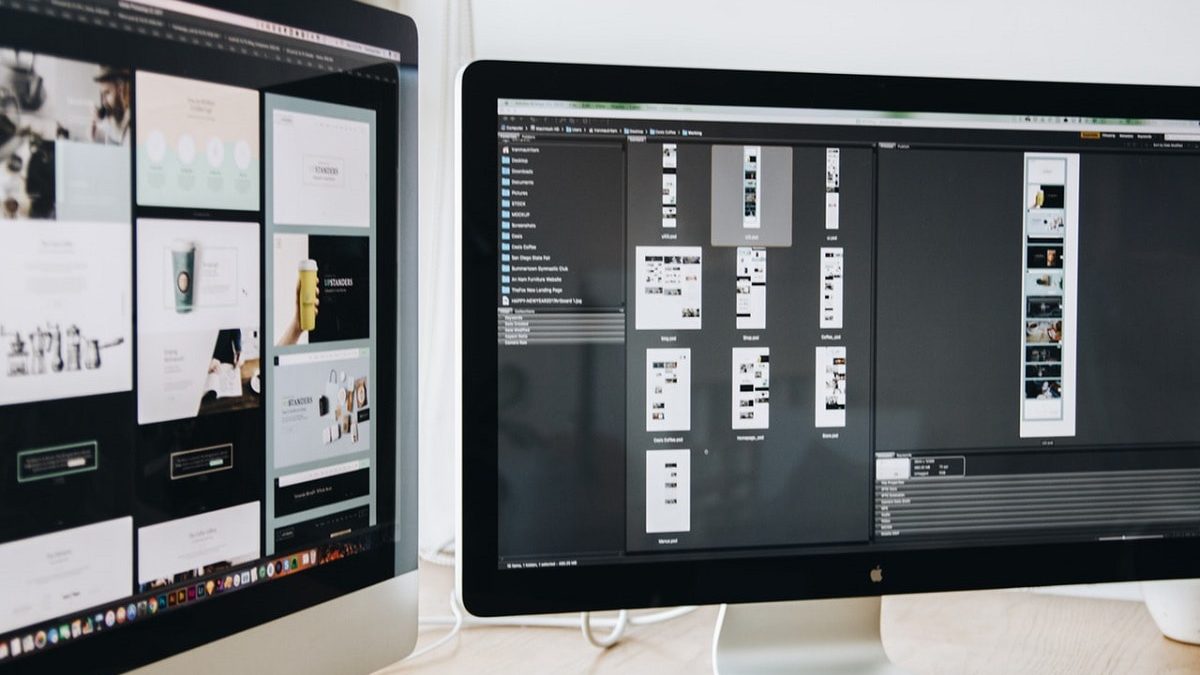
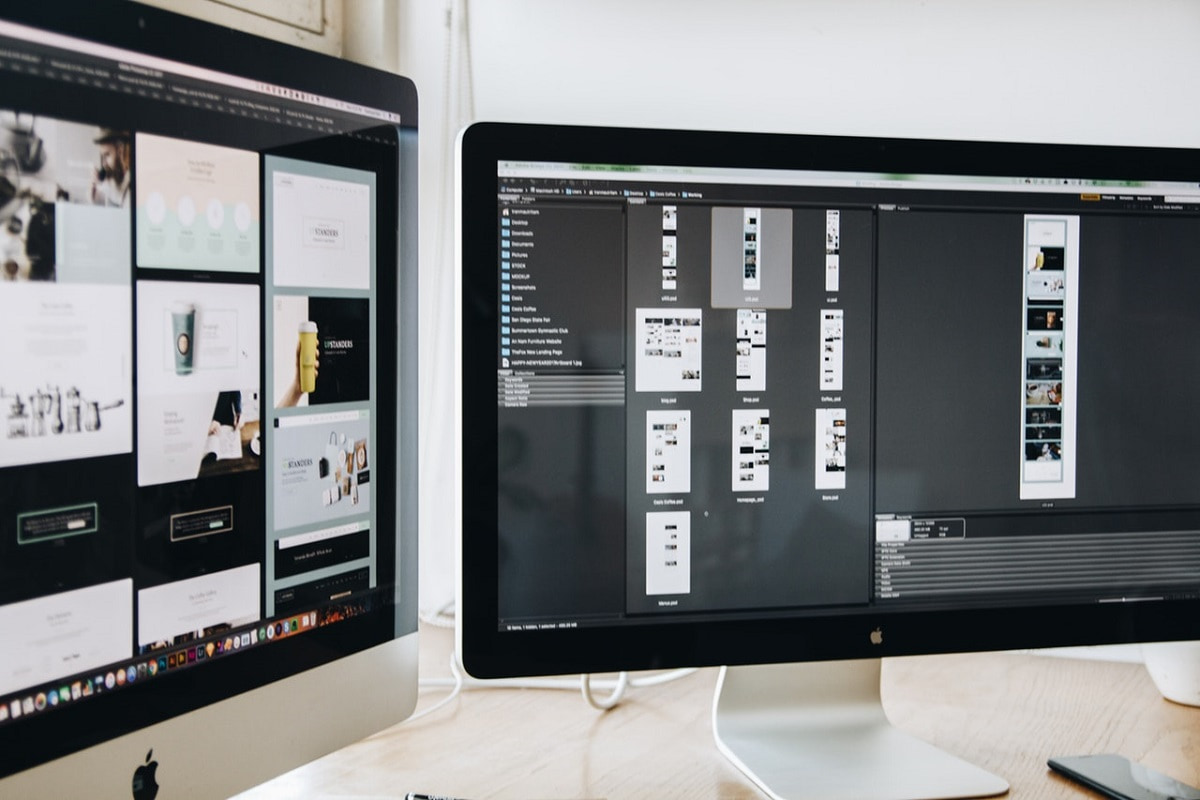
CAD Workstation
A CAD (Computer-aided design) is a computer technology that allows designers, engineers, and architects to design products and documents. And also, it can be used to produce 2D and 3D diagrams that can be rotated and viewed from any angle. This makes CAD an important part of workflows involving 3D modeling software, where detailed digital models can be created, viewed, and refined before production. You can also transfer detailed diagrams of the materials, processes, and dimensions of a product. CAD is also closely related to graphic design, particularly when digital tools are used to create, refine, and present visual concepts.
CAD workstation systems are usually sold as fully built professional computers rather than typical consumer PCs. For example, suitable high-performance workstation PCs for CAD tasks can be found at Conrad, which offers systems designed for demanding fields such as engineering, architecture, and design.
The Use of CAD in the following sectors:
- Construction
- design Infrastructure
- Product design
- design Manufacturing
- Electrical design
- Animation design.
CAD can also support animation and other visual workflows, especially when detailed digital models are required. For creators exploring different animation tools, this guide to ten image animation platforms provides additional options to consider.
Uses
For making CAD possible, we require a Computer-aided design system. This level of work cannot be done on a basic workstation or a gaming PC.
And also, CAD systems include a combination of software and hardware, as well as a mouse, stylus, scanning tablet, and a special printer or plotter.
CAD systems allow an engineer to view their creations from any angle with the press of a button. This ability to present detailed visual information from different angles can also be useful when explaining complex subjects outside engineering, such as in legal animation in the courtroom. Additional tasks that are made possible in these systems include distances, close-ups, lighting effects, modeling, and documentation.
Today, CAD systems exist for all major platforms, including Linux, Windows, Mac OS X, and UNIX. Let’s take a look at the available CAD media and workstations of Velocity Micro and what you can expect from these powers.
We recommend PCs of CAD workstations for the following industries:
- Manufacturing
- Construction
- Drafting
- Architecture
- Engineering
- Art
Besides, these are some of the features you can expect from components for computers that work on a CAD basis:
- Xeon
- NVIDIA Quadro graphics processors
- Tesla options
- Low-latency ECC RAM GPU
- Aluminum chassis
- Backlit fans
- Sound damping
- Maximized airflow
- Engineered by hand
In addition to providing users with CAD capabilities, workstation PCs can manage media creation tasks such as filming, editing, photography, and audio. For projects that require specialized animated visuals, businesses can also work with a 3D animation service provider to create professional 3D content.
At a modest price, it is possible to have a professional media creation PC with a budget. This is important because many artists and designers feel that the limit of their creativity is due to the hardware they can afford.