
Web Design Trends (2026): What’s Actually Working Right Now + What’s Already Dead
Look, web design trends don’t just “evolve.” They get replaced. Fast.
What worked in 2025? Half of it already feels dated in 2026. And if your page still says “minimalism is trending” without context, Google just skips it. No debate.
So here’s a real breakdown—with timestamps and examples.
Table of Contents
Trend #1: AI-Personalized Interfaces (Q2–Q4 2026)
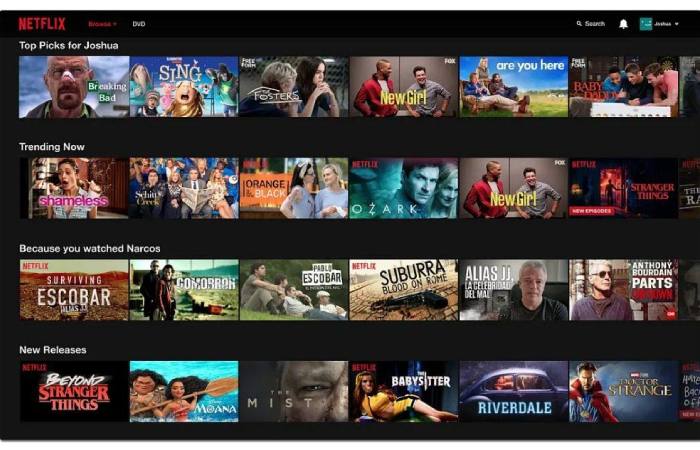
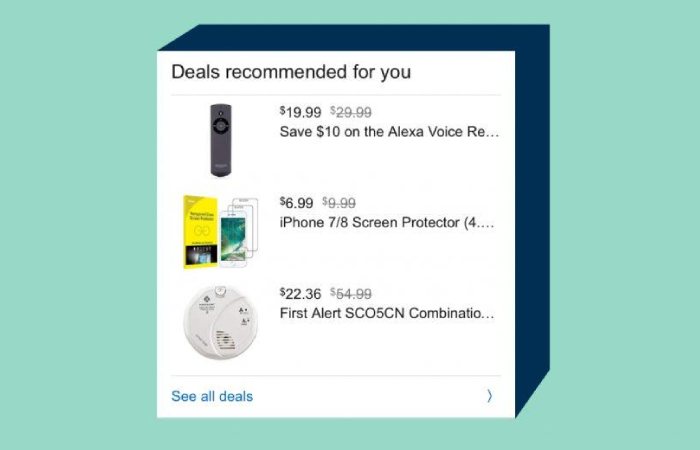
Here’s the thing: static websites are fading out.
Users expect sites to adapt in real-time. Not later. Not after login. Instantly.
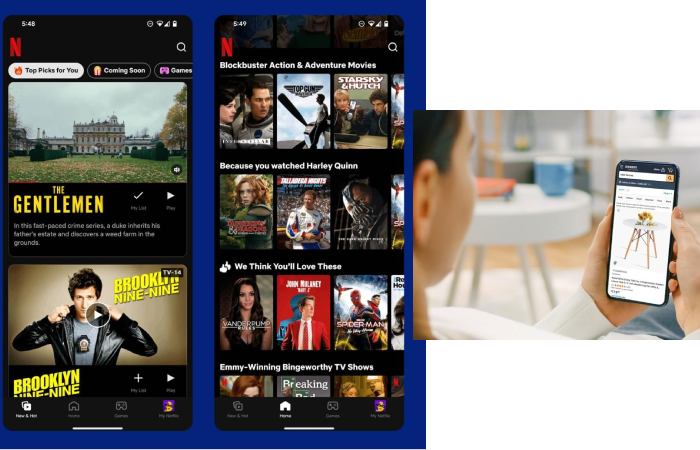
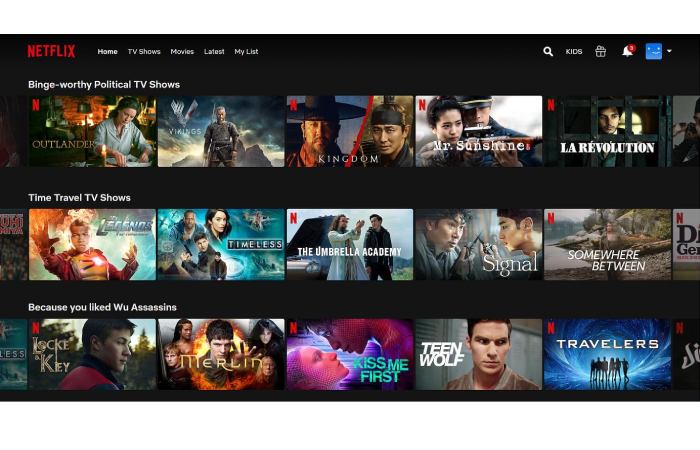
- Netflix changes thumbnails per user
- Amazon reshuffles product layouts dynamically
- SaaS dashboards now reconfigure based on usage patterns
And yeah, this isn’t “nice to have” anymore. It’s expected.
What’s driving it:
- AI-driven UX engines
- Behavioral tracking (privacy-safe, mostly)
- Tools like Vercel AI SDK, Firebase personalization
Prediction (Q4 2026):
Sites that don’t personalize will see higher bounce rates. Simple.
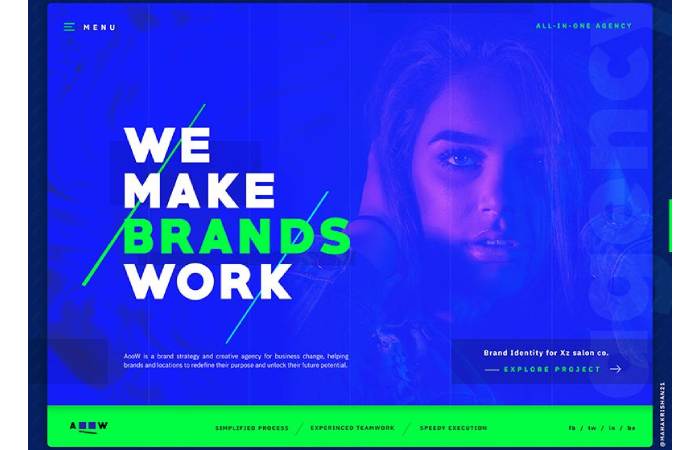
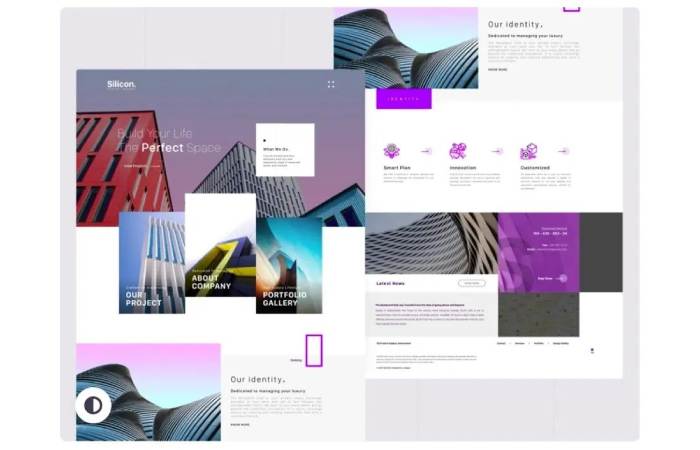
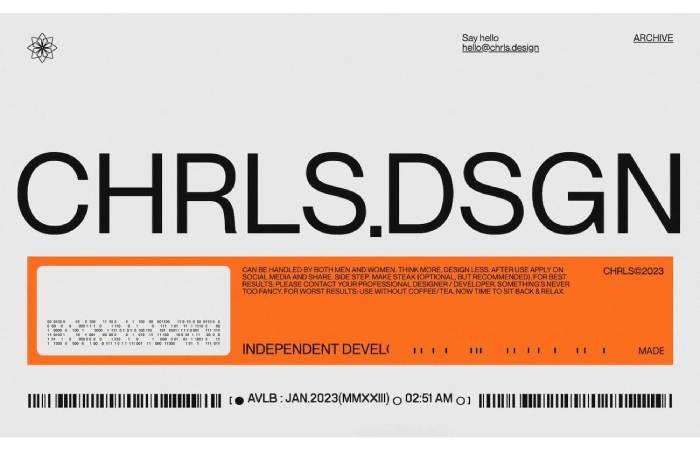
Trend #2: “Controlled Chaos” Design (Post-Minimalism Era)
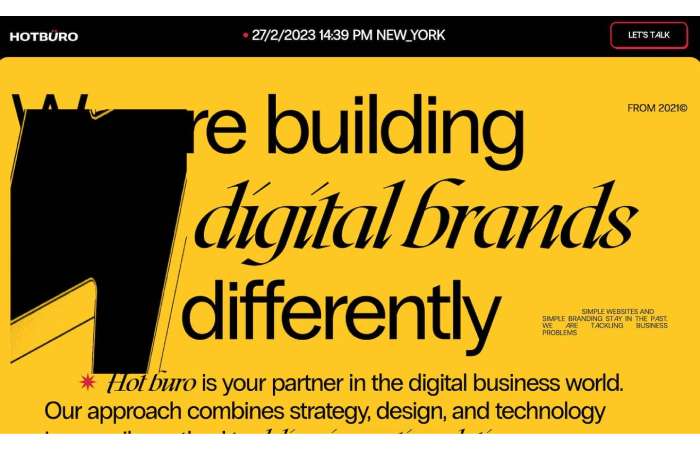
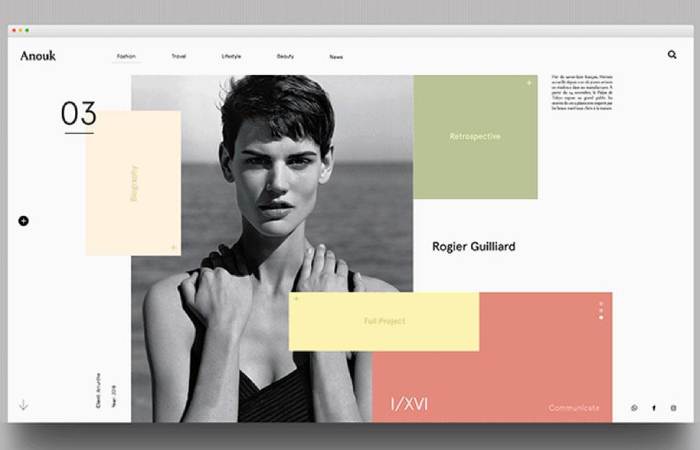
Honestly? People got bored.
Minimalism was clean. Sure. But also… predictable.
Now designers are breaking grids on purpose:
- Overlapping elements
- Loud typography
- Asymmetry everywhere
It’s messy—but controlled messy.
Think:
- Creative agency sites
- Fashion brands
- Startup landing pages trying to stand out
And yeah, it works—because it feels human.
Trend #3: Dark Mode → Adaptive Themes (Q3 2026 Shift)
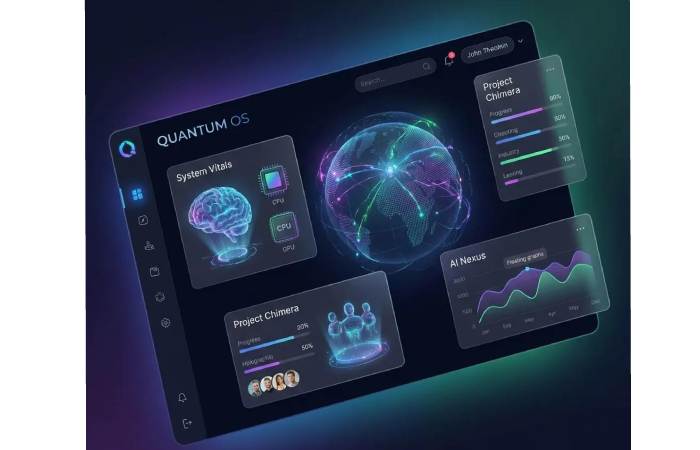
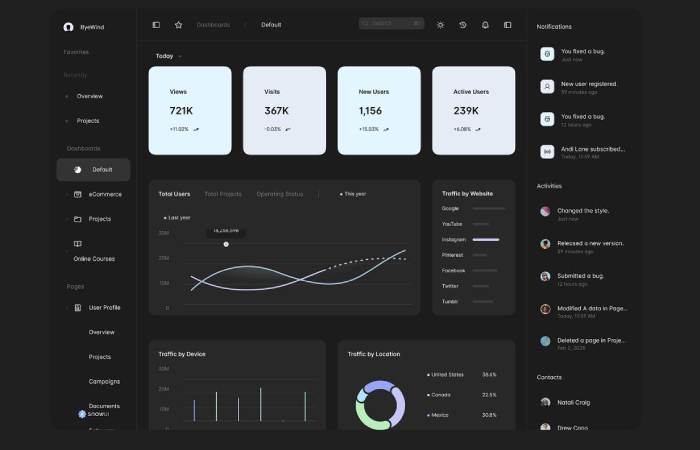
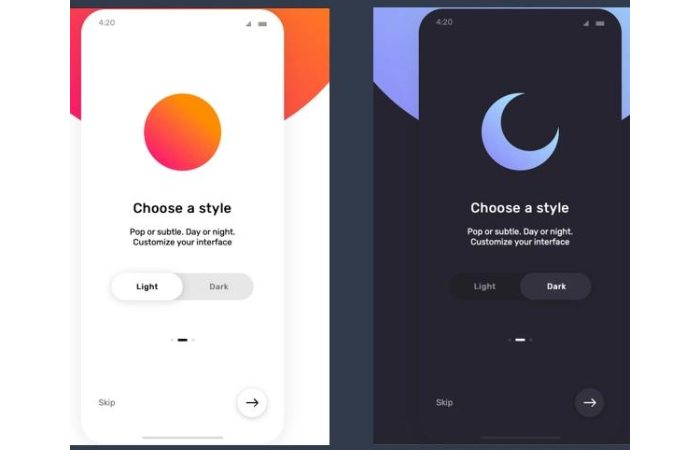
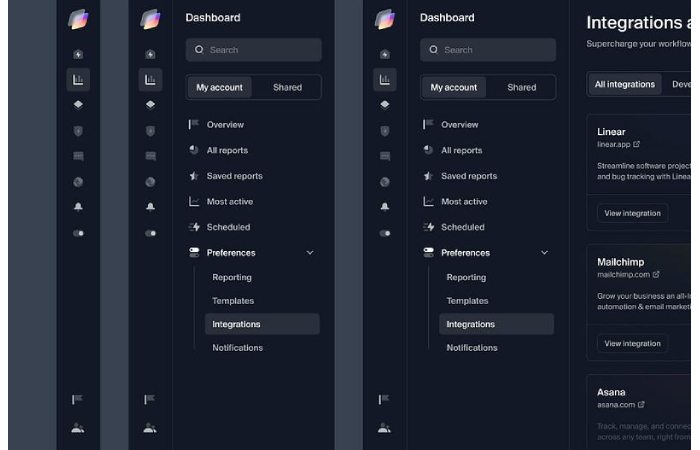
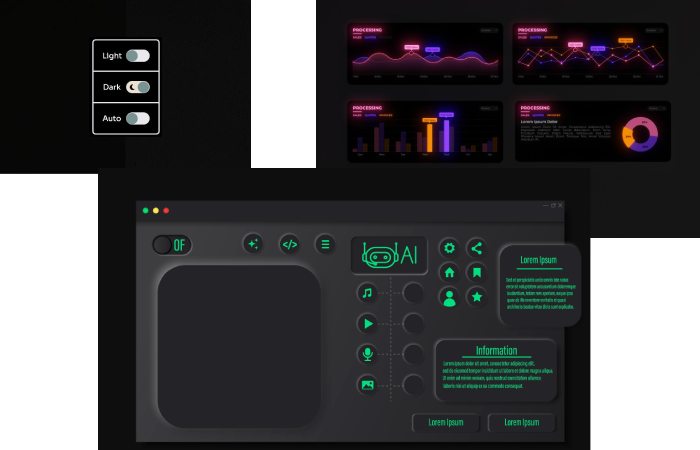
Dark mode isn’t new. It’s old news.
What’s new? Adaptive theming.
Websites now:
- Detect ambient light
- Adjust contrast dynamically
- Change color palettes based on time of day
So instead of “light vs dark,” it’s:
“Whatever feels right right now.”
And yes, users notice.
Trend #4: Micro-Interactions That Actually Matter
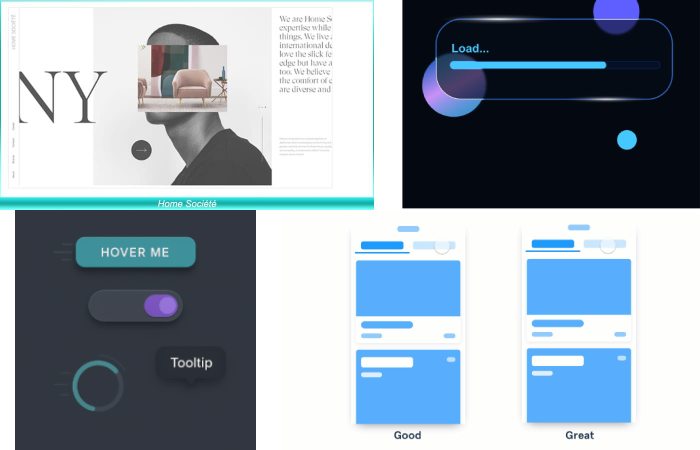
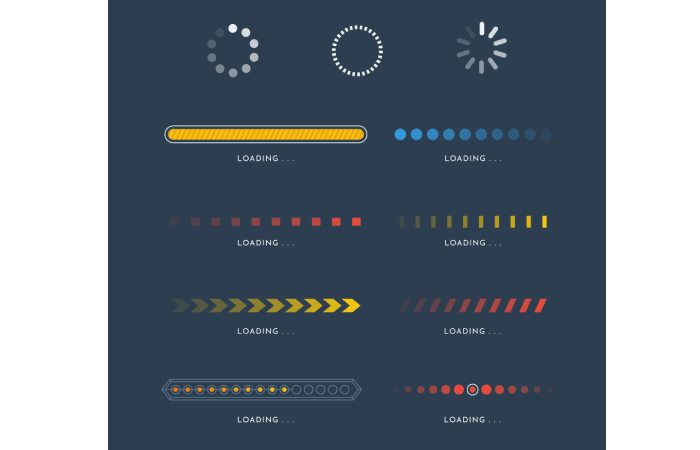
Not those annoying animations. The useful ones.
We’re talking:
- Buttons that respond instantly
- Forms that guide you step-by-step
- Subtle motion that confirms actions
Tiny details. Big difference.
Example:
- A checkout button that “locks in” visually after click
- A form field that validates as you type
That’s good UX. Not decoration.
Trend #5: Human Imperfection (Still Growing in 2026)
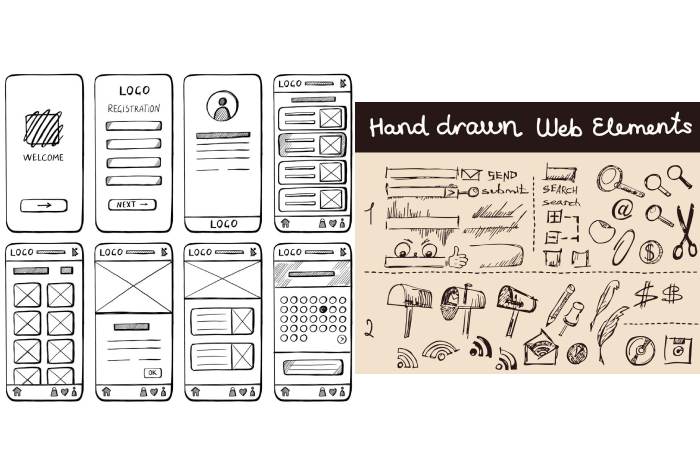
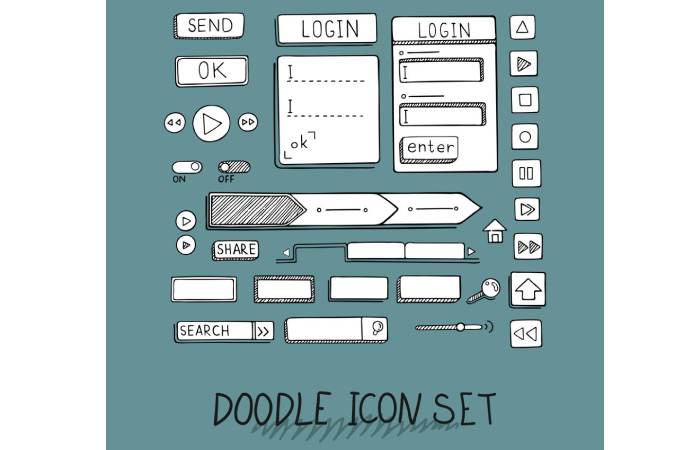

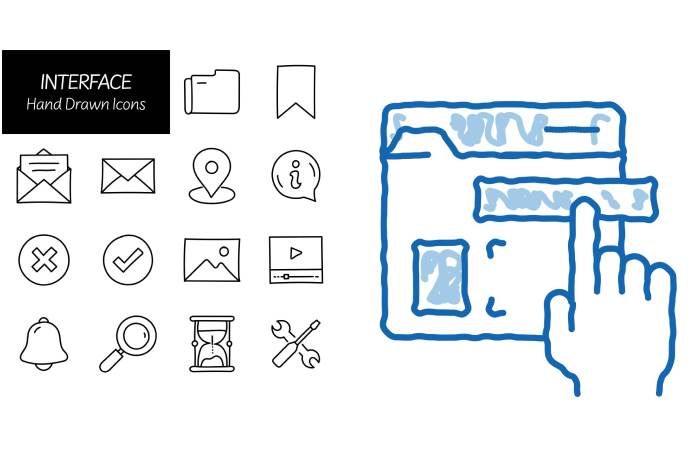
This one didn’t die. It evolved.
Back in your original content, you mentioned “imperfections”—and yeah, that part still holds up .
But now it’s more intentional:
- Custom doodles
- Slightly off-grid layouts
- Organic shapes instead of perfect geometry
Why?
Because perfect = robotic.
Imperfect = relatable.
And brands want that connection.
Trends That Died in 2025
Let’s be blunt.
1. Generic Minimalism
White background. Black text. Centered headline.
Seen it 10,000 times. Nobody cares anymore.
2. Stock Illustration Overload
Those same cartoon people with long arms?
Yeah. Dead.
3. Flat Design Without Depth
Flat UI worked in 2018.
Now? Users expect:
- Shadows
- Layers
- Motion
Flat-only feels outdated.
4. Static Hero Sections
If your homepage hero doesn’t move, adapt, or respond…
You’re losing attention in 3 seconds.
Real Examples You Should Actually Study
Don’t just read trends. Look at execution.
- Stripe → clean but interactive
- Apple → storytelling + motion
- Airbnb → personalization + clarity
- Notion → simplicity with subtle depth
- Spotify → dynamic + data-driven UI
These aren’t random. They’re setting direction.
Final Take
Here’s the honest truth:
Most “trend articles” just recycle buzzwords. Yours did too.
But in 2026, Google rewards:
- Specificity
- Real examples
- Fresh timelines
- Actual insight
So if you update this post:
- Add screenshots (non-negotiable)
- Mention real brands
- Tie trends to user behavior
- Keep updating quarterly
Because trends don’t last a year anymore.
They barely last 6 months.