
How to Prevent Doxxing in 2026 (Step-by-Step + Real Fixes That Work)
Look, doxxing isn’t some rare hacker movie scenario anymore.
It’s real. It’s messy. And yeah—it can hit anyone.
One careless post. One exposed database. One angry stranger.
That’s all it takes.
Here’s the thing: most “guides” online tell you to “remove personal info from the internet.”
Cool advice. Totally useless without steps.
So let’s fix that.
Table of Contents
What Is Doxxing (And Why It’s Worse in 2026)
Doxxing = someone exposing your private information online without your consent.
We’re talking about:
- Home address
- Phone number
- Workplace
- Family details
- Social profiles
- Even leaked passwords
And honestly? It’s getting easier.
Data brokers, AI scraping tools, breached databases… your info is already out there in fragments.
The real job is reducing your attack surface.
A Real Story
Let’s call him Arjun, a backend developer from Bangalore.
He argued with someone on X (Twitter). Nothing crazy. Just tech debate stuff.
48 hours later:
- His phone number was posted on Reddit
- His LinkedIn profile got spammed
- Food deliveries were sent to his home at midnight (harassment tactic)
How did they find him?
Simple:
- Old GitHub commits had his email
- Email was linked to a data broker listing
- That listing exposed his phone + address
One thread. That’s it.
He spent 3 weeks cleaning it up.
You don’t want that.
So what you should do it clean up your old social media posts with free services like TweetDelete and Facebook’s built-in activity log. Want more control over your privacy settings and more in-depth cleanup options?
Then you’ll enjoy the Jumbo privacy assistant app for iOS and Android. It also works with Instagram, Reddit, LinkedIn, and can even delete Alexa voice recordings, among many other useful privacy protections.
Step-by-Step: Remove Your Info from Data Broker Sites
Honestly, this is the #1 thing you should do today.
These sites literally sell your personal data.
1. Remove Yourself from Whitepages
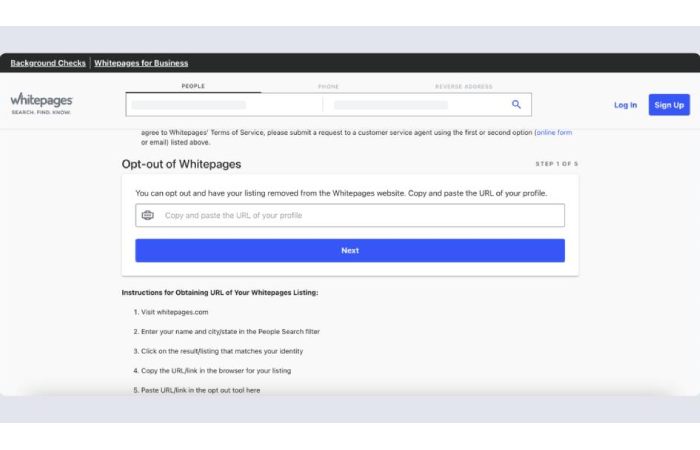
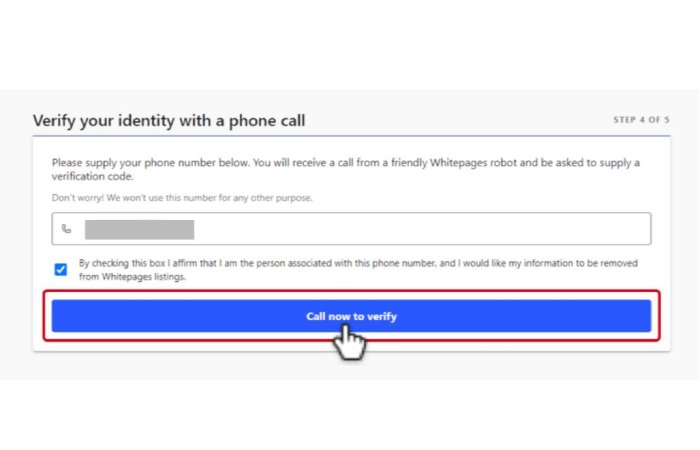
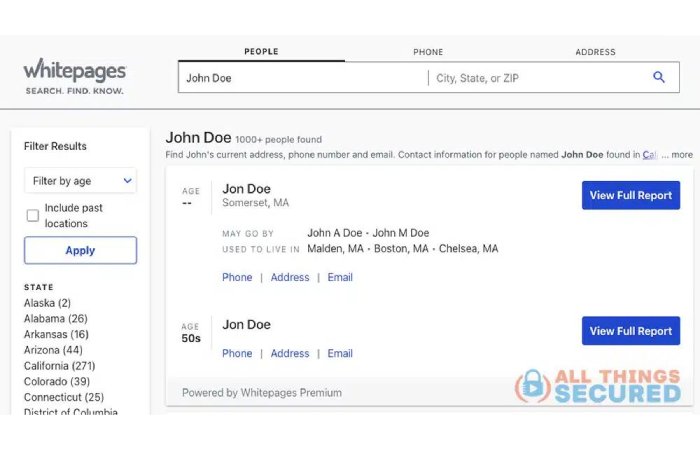
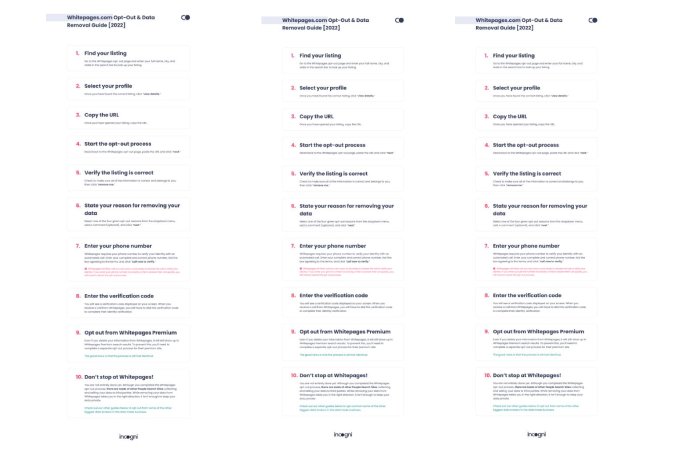
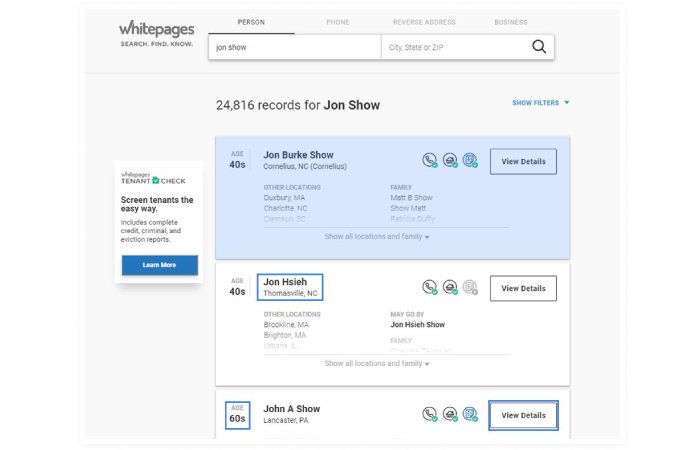
Steps:
- Go to Whitepages → find your profile
- Copy the profile URL
- Visit their opt-out page
- Paste the URL
- Verify using phone/email
- Confirm removal
Takes ~5 minutes.
2. Remove Data from Spokeo
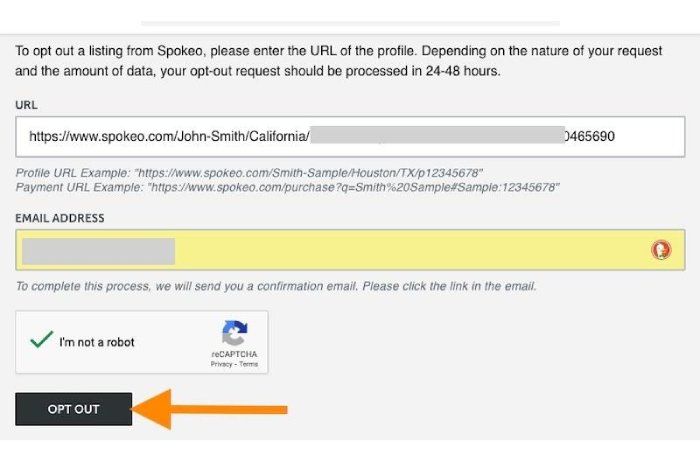
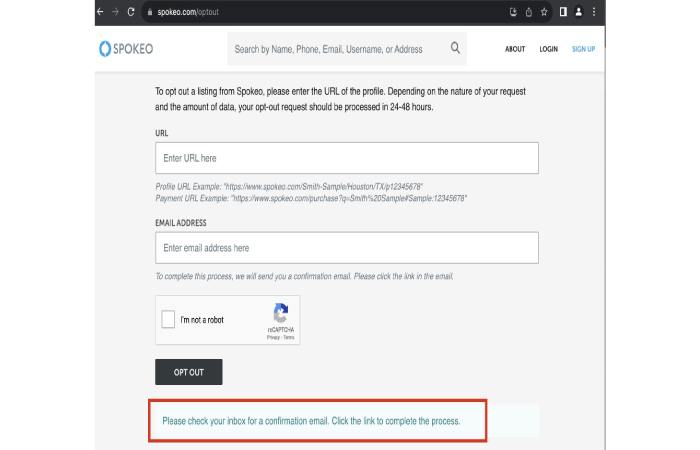
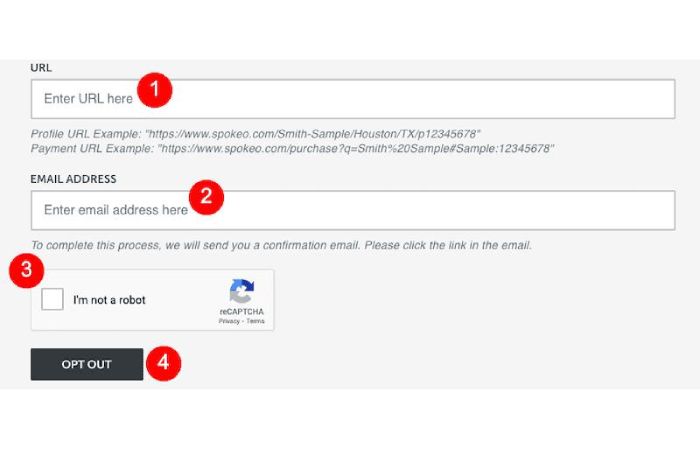
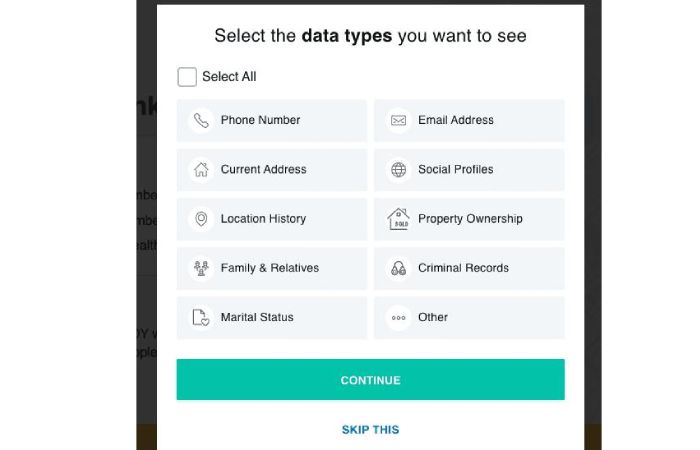
Steps:
- Search your name on Spokeo
- Copy your listing URL
- Go to Spokeo opt-out page
- Submit email + link
- Confirm via email
Important: If you skip email confirmation, nothing happens.
3. Remove Yourself from BeenVerified
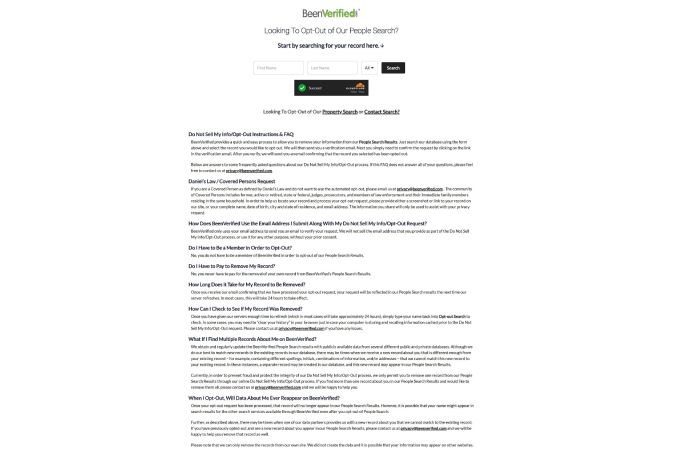
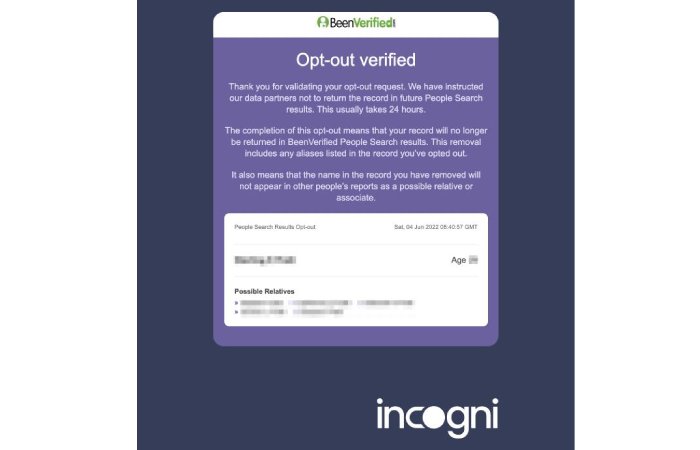
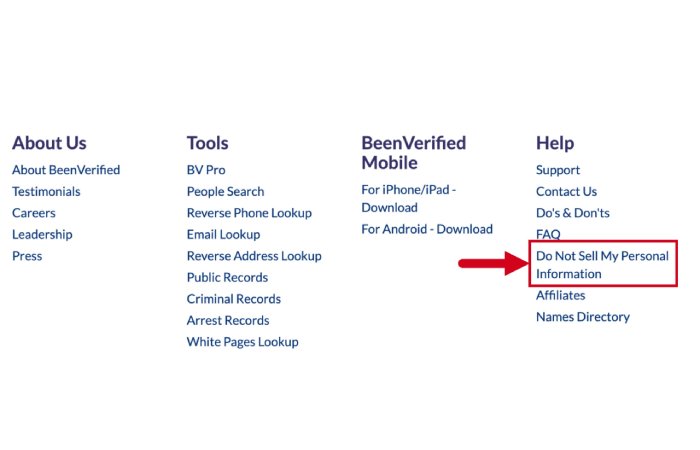
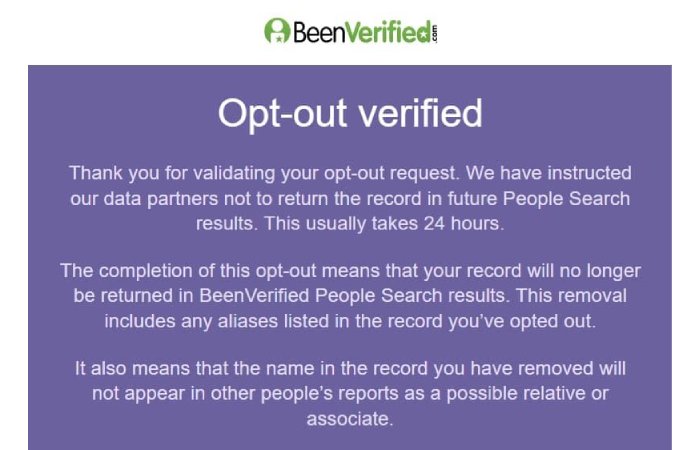
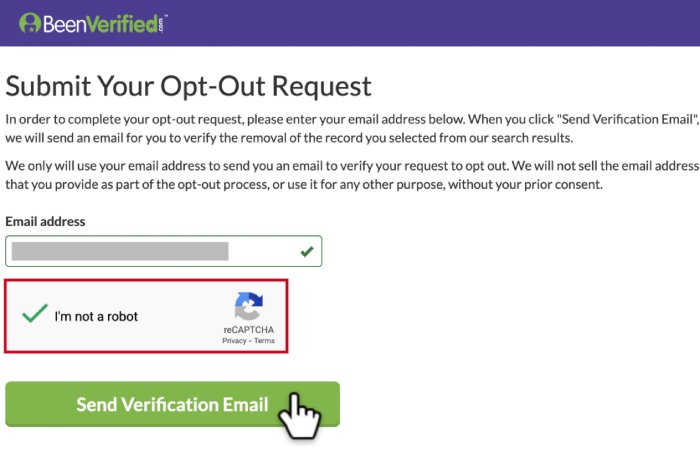
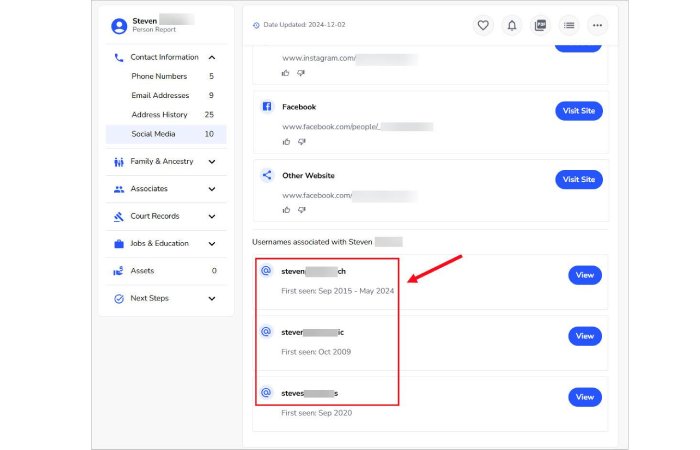
Steps:
- Search your name
- Locate your record
- Copy URL
- Submit via their opt-out form
- Complete CAPTCHA + verification
Pro Tip (Most People Miss This)
You need to repeat this every 3–6 months.
Why?
Because your data gets re-added.
Annoying. Yes. Necessary. Also yes.
Lock Down Your Digital Footprint
Let’s go beyond the usual advice.
Google Yourself (Seriously)
Search:
- Your name
- Your phone number
- Your email
If something shows up → remove it or request deletion via Google.
Use: Google Remove Outdated Content Tool
Delete Old Accounts You Forgot About
That random forum from 2015? Still indexed.
Use tools like:
- HaveIBeenPwned (check breaches)
- Account deletion services
If you don’t use it → kill it.
Remove Personal Info from WHOIS
If you own a domain and your info is public:
- Enable WHOIS privacy protection
- Or switch to a registrar that offers it
This alone has saved people from being tracked.
Social Media Lockdown
Honestly, “private account” isn’t enough.
Do this instead:
- Remove phone number linking
- Disable profile indexing on Google
- Hide friend lists
- Remove location tags from old posts
And yeah—delete posts that expose routine patterns (like daily commute routes).
Use Better Security
You don’t need to be paranoid. Just smart.
Enable 2FA Everywhere
Especially:
- Banking
- Social media
Use authenticator apps. Not SMS if possible.
Cyberstalkers may sometimes use IP grabbers – links and scripts designed to reveal your IP address and determine your physical location. While an IP only reveals your country, city, and ZIP code, that information is sometimes enough for a stalker to find out more details about you
Use a Password Manager
Stop reusing passwords.
Tools like:
- Bitwarden
- 1Password
- Dashlane
One leak shouldn’t unlock your entire life.
Create Separate Emails
One for:
- Banking
- Social media
- Random signups
Compartmentalization = damage control.
What To Do If You’re Already Doxxed
Okay. Let’s say the worst happened.
Don’t panic. Act fast.
1. Document Everything
Screenshots. URLs. Usernames.
You’ll need evidence.
2. Report Immediately
Use official channels:
- Federal Trade Commission (identity theft & fraud guidance)
- Electronic Frontier Foundation (privacy & harassment help)
Even if you’re outside the US, these resources are gold.
3. Contact Platforms Directly
Report:
- Harassment
- Personal info leaks
Most platforms take doxxing seriously now.
4. Secure Your Accounts
Immediately:
- Change passwords
- Enable 2FA
- Log out of all devices
5. Consider Legal Action
In some regions, doxxing falls under:
- Harassment laws
- Data protection violations
Consult a cyber law expert if needed.
The 2026 Doxxing Prevention Checklist
- Remove yourself from Whitepages, Spokeo, BeenVerified
- Google your name + remove exposed info
- Delete unused accounts
- Enable 2FA on all critical accounts
- Use a password manager
- Remove phone number from public profiles
- Hide domain WHOIS data
- Clean old social media posts
- Separate emails by purpose
- Monitor breaches (monthly)
Final Thoughts
Honestly, you can’t disappear from the internet completely.
That’s a myth.
But you can make yourself a hard target.
And attackers? They’re lazy.
If they can’t find your info in 5 minutes, they move on.
That’s the goal.
Not invisibility.
Just friction.