This article is part of our Paid Advertising and Media resource section
Table of Contents
Definition Advertising
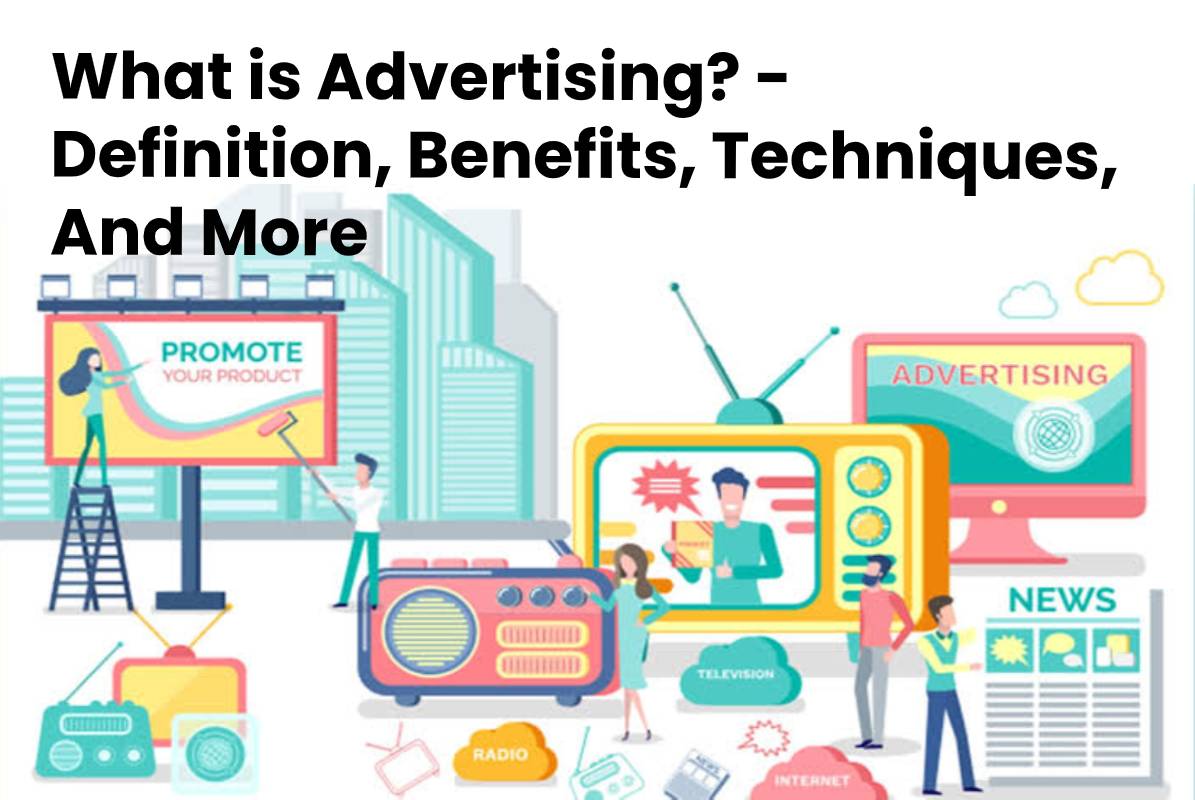
Advertising is a communication of information that recruits an openly paid, non-personal valid message about a product, service, or idea. Sponsors of advertising usually are businesses that want to promote their products or services.
Advertising is a means of dissemination in which various organizations, companies, individuals, NGOs, among others, try to make themselves known, announce or refer to certain goods, services, to interest potential buyers, users, etc.
Advertising can appear in many different forms, including traditional media, websites, search engines, social networks, mobile applications, videos, email, outdoor displays, and other digital channels. Although the platforms have changed significantly over time, the basic purpose remains similar: to communicate a message to a defined audience and encourage awareness, interest, consideration, or action.
The growth of digital media has also made advertising more measurable. Businesses can monitor impressions, clicks, engagement, conversions, and other campaign indicators to understand how audiences respond to their messages. This allows advertisers to adjust their campaigns based on observed performance rather than relying entirely on assumptions.
Advertising can also be connected to broader marketing activities. A business may use advertising to attract an initial visitor, while its website, content, email campaigns, sales team, or customer service process helps move that visitor toward becoming a customer.
Benefits
Within marketing, [advertising] is the most effective means to attract the attention of the required audience. To carry out this function, publicists and agencies that are specialists in the subject are hired.
They create an advertisement and will publish it in various media, through pamphlets, radio, television, etc.
Currently, one of the most used media is the Internet.
One major advantage of Internet advertising is the ability to define audiences according to different characteristics. Depending on the platform, advertisers may be able to target people according to interests, search behavior, demographics, location, previous interactions, or other available audience signals.
Advertising can also help a new business introduce itself to people who have never encountered its brand before. Instead of waiting for potential customers to discover the business organically, paid campaigns can place the brand directly in front of relevant audiences.
Another benefit is flexibility. Digital advertising campaigns can often be adjusted more quickly than traditional campaigns. Advertisers can modify creative materials, messaging, budgets, audience settings, and landing pages based on campaign performance.
Advertising can also support several different objectives. A campaign may be designed to increase brand awareness, generate website traffic, collect leads, encourage product purchases, promote an event, increase app installations, or encourage people to contact a business.
Brand awareness
One of the simplest purposes of advertising is to make people familiar with a brand. A customer cannot consider a product they have never heard about, so awareness can be an important first step in the purchasing journey.
Repeated exposure to a consistent brand message can help businesses establish recognition. Visual identity, slogans, product imagery, and consistent messaging can all contribute to this recognition.
Reaching specific audiences
Modern advertising allows businesses to move beyond communicating with a completely general audience. Instead, campaigns can often be designed around a particular group of potential customers.
For example, an online clothing company may create different advertisements for customers interested in sportswear, formal clothing, or seasonal products. This allows the business to make its advertising more relevant to different groups.
Generating traffic and leads
Advertising can also be used to send visitors to a website or landing page. Once a visitor arrives, the business can encourage them to perform an action such as filling out a form, subscribing to a newsletter, requesting information, or purchasing a product.
This makes advertising an important part of many lead-generation strategies. The advertisement attracts attention, while the landing page and subsequent communication process attempt to turn that attention into a meaningful business opportunity.
Supporting sales
Businesses can use advertising to promote specific products, services, offers, and promotions. When the advertising message is connected to a relevant product page or purchasing process, it can contribute directly to sales.
However, successful advertising is not simply about showing an advertisement to as many people as possible. The audience, message, offer, timing, creative format, and destination page can all affect the outcome.
When did the advertising come about?
Advertising as we know it arises from the last years of the 19th century. It is due to the Second Industrial Revolution and the need to address as many individuals as possible.
At this time, the media begin to have significant development. Still, they were looking for funds, which is why a substantial kind of association between the media and [advertising].
After the Second World War, there is a new explosion in the world of [advertising], and many techniques and media that we still use today begin to emerge.
The history of advertising is closely connected with changes in communication technology. As new ways of reaching large audiences developed, advertisers gained new opportunities to distribute commercial messages.
Newspapers and magazines created opportunities for businesses to reach readers at scale. Radio introduced audio advertising, while television combined sound and moving images. Outdoor advertising provided another way to reach people in public spaces.
The arrival of the Internet created another major change. Websites allowed businesses to publish information directly, while search engines introduced new ways for advertisers to reach people based on what they were actively looking for.
Social media later added another important dimension. Businesses could communicate with audiences through platforms where users already spent significant amounts of time. Social advertising also introduced new targeting and measurement capabilities.
Mobile devices further changed the advertising landscape. People now access websites, applications, social platforms, videos, and search engines throughout the day using smartphones and tablets. As a result, advertising has become increasingly integrated into digital experiences.
Phases or stages of advertising
There are three phases within the [advertising] world:
Promotion phase
Also known under the name of the initial stage, here we try to expose the new goods or services produced.
At this stage, the primary objective is to introduce the product or service to the audience. Advertising may focus on explaining what the product is, what problem it solves, and why potential customers should consider it.
The promotional phase can be particularly important for new businesses and new products because potential customers may not yet understand the brand or its offering.
Competition phase
At this moment, they position the product in the market, but not in the desired place.
During this phase, businesses may need to communicate what differentiates their products from competing options. The advertising message may focus on features, benefits, pricing, customer experience, quality, convenience, or other factors that distinguish the offering.
Competition can also encourage businesses to understand their audience more carefully. Rather than creating advertisements based solely on what the company wants to say, advertisers can consider the questions, needs, and concerns of potential customers.
Image conservation phase
The good or service obtains the demand that is desired by the bidders. That is why they launch campaigns to maintain the image they already enjoy.
At this stage, advertising can focus on maintaining awareness and reinforcing the relationship between the brand and its existing or potential customers. Established businesses may continue advertising even when they already have strong recognition because competitors remain active and customer preferences can change.
Besides, with the launch of the advertising campaigns, a research stage begins. The objective is to know the effectiveness of [advertising]. Some of the reasons are knowing the acceptance or rejection of the public, knowing if the message reaches the desired audience.
Research and measurement are especially important in digital advertising because businesses can often collect detailed campaign data. Advertisers can compare different advertisements, audiences, messages, and landing pages to determine which combinations generate better results.
What are the advertising techniques?
We use various resources and techniques in advertising to attract potential buyers.
Some of the concrete techniques are,
- In this case, they create campaigns whose production stock is in limit; it is in this way that they create a particular urgency of purchase.
- Use of peer approval, which shows satisfied characters with whom potential applicants may feel reflected and identified.
- Other times the product is advertised from clear and straightforward information, use of scientific resources to demonstrate from specific figures the satisfaction of the buyers or the excellent results obtained.
- Many times slogans can be identified where the guarantee is paramount; that is to say that the positive results will last for years or if they do not get satisfaction from the client they return the money.
- On certain occasions, they exploit specific fears of potential users or buyers to encourage their demand, like insurance.
These techniques can be adapted to different advertising formats and audiences. The same basic message may be presented differently in a search advertisement, social media advertisement, video advertisement, banner, or email campaign.
Search advertising
Search advertising is designed to appear when users search for particular terms or phrases. This can be useful because the person is already expressing an interest in a subject, product, or service through their search.
For businesses that want to manage paid search campaigns, Google Ads management can be an important part of their advertising strategy.
Search advertising can be particularly useful for businesses that want to capture demand that already exists. Someone searching for a particular service may be closer to taking action than someone who encounters an unrelated advertisement while browsing.
However, advertisers need to ensure that the advertisement and landing page match the user’s search intent. If an advertisement promises something that the landing page does not clearly provide, the campaign may produce poor results even if it receives clicks.
Social media advertising
Social media platforms have become important advertising channels because they allow businesses to communicate with audiences through visual and interactive content.
Businesses can promote products, services, special offers, educational content, videos, and other materials. Social advertising can also be used to reach audiences based on the targeting capabilities available on a particular platform.
Facebook advertising is one example of social media advertising. Businesses with ecommerce stores can use different creative approaches depending on the product and audience. Examples of approaches that can be used are discussed in Facebook ads that work best for ecommerce stores.
Native advertising
Another advertising approach is native advertising. Native advertisements are generally designed to fit naturally within the surrounding content or user experience rather than appearing completely separate from it.
This can include sponsored articles, recommended content, promoted posts, or other formats designed to resemble the content environment in which they appear. The purpose is to present promotional information in a format that is relevant to the platform and audience.
For a more specific explanation of the concept, see the definition of native advertising.
Video advertising
Video provides advertisers with an opportunity to communicate through moving images, sound, demonstrations, storytelling, and visual branding.
Video advertisements can be used across websites, social platforms, streaming services, and other digital environments. A short video may introduce a product, demonstrate how it works, answer a customer question, or present a promotional offer.
The length and style of a video should depend on its purpose and the platform where it will be displayed. A short social advertisement may need to capture attention immediately, while a longer product demonstration can provide more detailed information.
Display advertising
Display advertising typically uses visual advertisements placed across websites and digital properties. These advertisements can include images, text, graphics, animations, or interactive elements.
Display advertising can be used for brand awareness, product promotion, remarketing, and other campaign objectives. The creative design should make the main message easy to understand without requiring excessive effort from the viewer.
Email advertising
Email can also be used as an advertising and promotional channel. Businesses can communicate directly with people who have opted to receive their messages and can promote products, services, events, offers, or useful resources.
Email advertising can be particularly effective when businesses segment their audience and send relevant messages instead of treating every subscriber in exactly the same way.
Influencer advertising
Businesses can also work with individuals who have established audiences on social media or other platforms. An influencer may introduce a product, demonstrate its use, review it, or incorporate it into their existing content.
The effectiveness of this approach depends heavily on the relationship between the influencer’s audience and the advertised product. A large audience does not automatically mean that an advertising campaign will be relevant to potential customers.
Traditional advertising vs digital advertising
Traditional advertising includes channels such as television, radio, newspapers, magazines, billboards, brochures, and direct mail. These channels remain useful in many situations and can provide businesses with broad exposure.
Digital advertising includes search advertisements, social media advertisements, display advertisements, video advertisements, mobile advertisements, and other online formats.
One of the main differences is measurement. Digital campaigns can often provide advertisers with more detailed information about interactions, clicks, conversions, and audience behavior. Traditional advertising can still be measured, but the available data may differ depending on the medium and campaign.
Businesses do not necessarily need to choose only one approach. A company may combine traditional and digital advertising depending on its audience, objectives, budget, and market.
Advertising and the customer journey
Advertising can appear at different stages of the customer journey. Someone who has never heard of a company may first encounter a brand-awareness advertisement. Another person who has already visited the company’s website may see an advertisement reminding them about a product they previously viewed.
This means advertising does not always have to focus on an immediate purchase. Different campaigns can address different stages of the decision-making process.
At the awareness stage, advertising may introduce the company or explain a problem. During consideration, advertisements may highlight product features, benefits, reviews, or comparisons. At the decision stage, the advertisement may provide an offer or direct the customer toward a purchasing page.
Creating an effective advertising message
A strong advertising message should be understandable to the intended audience. The viewer should be able to identify what is being offered and why it may be relevant.
The headline, visual content, supporting text, and call to action should work together rather than communicating unrelated ideas.
For example, an advertisement promoting a software product could identify a specific business problem, explain how the software addresses that problem, and provide a clear action such as starting a trial or requesting additional information.
The language should also match the audience. A technical product may require detailed terminology when targeting professionals, while a consumer advertisement may benefit from simpler language.
The importance of a landing page
An advertisement is often only the first step in the customer journey. When someone clicks an advertisement, they may be directed to a landing page, product page, signup form, or another destination.
The landing page should provide information that matches the promise made by the advertisement. If the advertisement promotes a particular product or offer, visitors should be able to find that product or offer easily after clicking.
A confusing landing page can reduce the value of an otherwise successful advertising campaign. Businesses should therefore consider the entire journey rather than evaluating the advertisement independently.
Measuring advertising performance
Advertising campaigns should be measured according to their objectives. A campaign designed for awareness may use different measurements from one designed to generate direct sales.
Common advertising metrics can include impressions, reach, clicks, click-through rate, conversions, cost per acquisition, return on advertising spend, and revenue.
These measurements can help advertisers identify areas that need improvement. For example, a campaign may receive many impressions but very few clicks, suggesting that the advertisement may need a different message or creative approach. Another campaign may generate many clicks but few conversions, which could indicate an issue with the landing page, offer, or customer journey.
Measurement should therefore look beyond simple traffic numbers. The most useful metrics are those that connect advertising activity with the business objective.
Advertising budgets
Every advertising campaign needs a budget. The appropriate amount depends on factors such as the industry, audience size, campaign objective, competition, product price, and expected customer value.
Businesses should establish their budget before launching a campaign and monitor spending throughout its duration. Digital advertising platforms can provide different budgeting options, but advertisers should still understand how quickly costs can accumulate.
Starting with a controlled campaign can allow a business to collect information before committing more resources. Once advertisers understand which audiences and messages are producing meaningful results, they can make informed adjustments to the campaign.
The role of testing
Testing can help advertisers understand what works for their particular audience. Businesses may test different headlines, images, videos, calls to action, offers, audience groups, or landing pages.
For example, two advertisements may promote the same product while using different headlines. If one consistently produces more relevant results, the business can use that information when developing future campaigns.
Testing should be systematic rather than changing many elements simultaneously without tracking the differences. The more clearly a business understands what was changed, the easier it becomes to interpret the resulting data.
Common advertising mistakes
One common mistake is trying to reach everyone. A broad audience may seem attractive, but advertising becomes more useful when the message is relevant to the people most likely to need the product or service.
Another mistake is focusing entirely on the advertisement and ignoring the destination page. A compelling advertisement cannot compensate for a confusing or irrelevant landing page.
Businesses can also make the mistake of changing campaigns too quickly. Advertising data may require enough time and volume before meaningful conclusions can be drawn.
Another issue is failing to monitor spending. Without regular budget checks, a campaign can consume more resources than originally planned.
Finally, businesses should avoid making unrealistic claims. Advertising should communicate the value of a product clearly without misleading potential customers.
The future of advertising
Advertising continues to evolve as technology and consumer behavior change. Search engines, social media platforms, mobile devices, streaming services, artificial intelligence, and other technologies are creating new opportunities for businesses to communicate with audiences.
At the same time, consumers have more control over the information they see. They can ignore advertisements, use ad-blocking technologies, unsubscribe from promotional communications, and choose which brands they want to engage with.
This means relevance is increasingly important. Advertising that provides useful information and reaches an appropriate audience has a better opportunity to attract attention than messages that are unrelated to the viewer.
Personalisation, automation, improved measurement, and data analysis are also likely to remain important components of digital advertising. However, the fundamental purpose remains the same: communicate a clear message to an audience and encourage an appropriate response.
Conclusion
Advertising is a broad field that has developed alongside changes in communication, technology, media, and consumer behavior. From newspapers and radio to search engines and social platforms, businesses have continually adapted the ways in which they communicate with potential customers.
The basic principles remain important regardless of the platform. Businesses need to understand their audience, create a relevant message, choose an appropriate advertising channel, establish a realistic budget, and measure the results.
Digital advertising provides businesses with many options for reaching potential customers. Search advertising can connect brands with people actively looking for information, social advertising can help businesses reach defined audiences, native advertising can integrate promotional content into relevant environments, and other formats can support different stages of the customer journey.
Effective advertising therefore involves much more than simply creating an advertisement. It requires planning, research, testing, measurement, and continuous improvement. When these elements work together, advertising can support brand awareness, customer acquisition, lead generation, and sales while helping businesses communicate their products and services to the people most likely to find them relevant.