
This article is part of our SEO and Organic Search resource section.
3 Powerful SEO Trends to Look Out for in 2026
Ranking high in the organic search results is vital to businesses. While the core principles of SEO remain the same, trends, tactics, technology and algorithms are never stagnant. They shape the way we optimize web pages and you must stay on top of key metrics to make SEO work in your favor. Research shows that 93% of internet experiences begin with a search engine. The closer to the top a brand can appear, the better can be their authority and online presence. Studies found that 69% of marketers invested in SEO and over 50% say keyword rankings and organic traffic are the best ways to measure the success of their strategies. It is also an excellent way to improve website visibility and create a trustworthy experience.
A solid understanding of SEO fundamentals can help businesses adapt as search engines continue to change and new optimization practices emerge. It is also useful to understand why SEO service is essential when deciding how much time and expertise to dedicate to ongoing optimization.
Know where to focus your SEO resources, time and talent. This is because people are talking to computers and smartphones much more post-pandemic and the competition for those ‘top results’ is now ferocious.
Google mostly reveals all the ranking factors so trends are often data-driven. So, move ahead of old techniques like keyword stuffing and reciprocal linking. Here are a few trends that are dominating the SEO landscape in 2026.
Understanding effective SEO methods can make it easier to turn these broader trends into practical actions, particularly when search behavior and ranking systems continue to evolve. Businesses can also review advanced SEO tactics when they need to go beyond basic optimization.
1. Core Web Vitals
It is a set of standardized data used to measure the overall user experience on a page. This was introduced by Google with the intent that anyone who visits a website does not exit due to poor performance. It is made up of three elements:
- Largest Contentful Paint (LCP): Time taken to load the largest content on a site.
- First Input Delay (FID): Time taken to respond to the user’s first interaction.
- Cumulative Layout Shift (CLS): Unexpected layout shifts that occur during a page’s life.
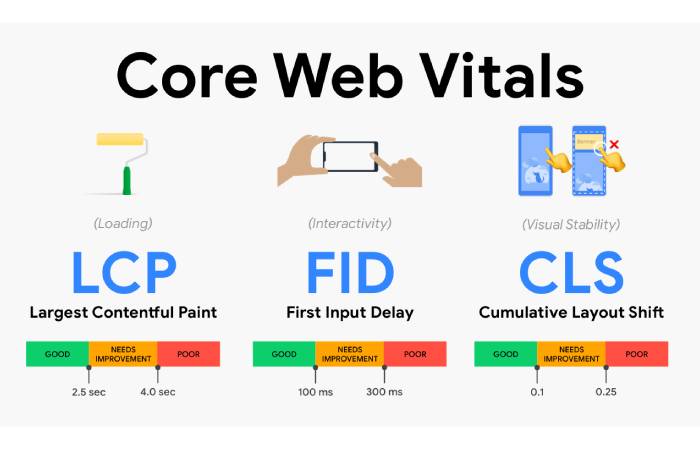
Improving these areas can have a tangible difference in your search engine performance. For instance, the average desktop Time to First Byte (TTFB) speed is 1.286 seconds on desktop and 2.594 seconds on mobile. Page elements should take closest to these figures to become visible in the viewpoint. Free tools like PageSpeed Insight and Google Search Console could be helpful here.
However, core web vitals are not the primary sign to rank pages on SERP. Google will continue to consider pages with high-quality content even if they do not comply with the vitals.
Technical improvements are only one part of a broader SEO strategy, and businesses should also consider how website optimization for SEO can support visibility, usability and search performance.
2. Long-Tail Keywords
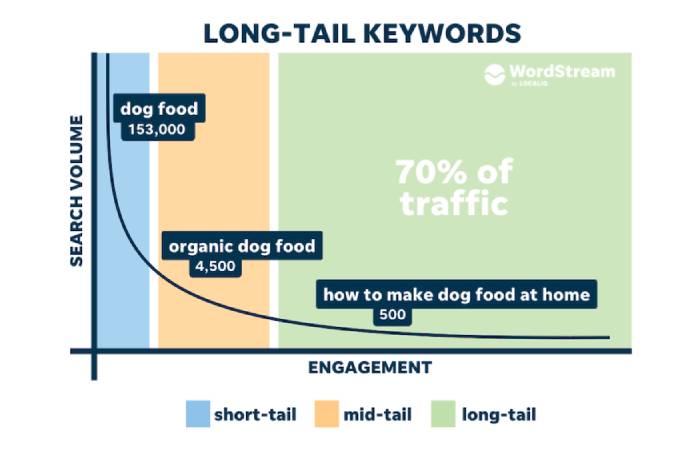
Conduct keyword research targeting popular terms related to your brand messaging strategy and customer interest to understand what they are looking for when browsing online. Studies found that 92.42% of keywords get ten monthly searches or fewer and 70.87% with more than 10,000 searches per month consist of only one or two words. But while long-tail keywords do not promise high-end traffic, they have an impressive conversion value.
Understanding the role of a backlink is also important when evaluating how keyword-focused content fits into a broader SEO strategy, because links can contribute to how search engines discover and assess pages. Businesses looking to build quality backlinks should focus on relevance and useful content rather than relying on outdated link-building practices.
Did you know around 70% of online searches are long keywords? Voice Search tools like Siri and Alexa make the conversational component more prominent. Bidding for paid content also costs less since they have low competition. Google can highly personalize the search results for different categories of visitors since long-tail keywords are more specific ensuring an appealing user experience. In fact, they also contain short-tail keywords to help reach your goals. New or low-authority pages can hence rank quickly and perform better than other pages.
The approach can be adapted to different industries and audiences, including businesses exploring SEO for law firms or more specialized strategies such as plastic surgery SEO marketing. The underlying principle remains the same: match useful content with the specific searches of the intended audience.
3. People Also Ask
This is a rich snippet feature that provides users with additional information. These are mainly other insights that answer questions following the original search. A study found that over 90% of primary keywords trigger PAAs at the top of the SERP. It ranks at the top of the list with an occurrence rate of 48.4% out of 2.5 million queries. Use keyword search tools to identify long-tail question keywords among the audience. Incorporate these in your H2s, H3s and H4s or simply to a FAQ question section. The strategy can get your content to this coveted SERP feature. Other tips are:
- Create valuable content
- Improve formatting and code
- Look for common questions
- Organize the data with online tools
Most PAA answers are blocks or paragraphs. These can trigger featured snippets so it is quite technically possible to get featured twice on Google’s first page. Work with webmasters to be able to pull the best possible questions.
Other old yet prominent trends are high-quality backlinks, videos, AI content, Schema Markup, IndexNow and EAT. SEO is continually growing more complex. Having fair knowledge will help you understand what is working for you and what is not.
For organizations that want to manage optimization internally, learning whether they can do SEO themselves can help determine which activities require specialist support. It is also useful to understand the differences between SEO and SEM when evaluating organic and paid search strategies.
As SEO develops, businesses may also consider SEO services or the services of an SEO agency when they need additional expertise. For organizations focused on sustainable search visibility, organic SEO services can provide another approach to improving organic performance.
Building a recognizable online presence also requires a connection between branding and SEO, while companies operating across different markets may need to account for specific international SEO challenges. These considerations are part of why SEO strategies need to evolve alongside changes in search technology and user behavior.
There is also ongoing discussion around whether SEO is dead, but the continued importance of organic search visibility means businesses still need to understand how search engines discover, interpret and rank content. For those evaluating their existing link profiles, strategies for maximizing current backlinks can help organize existing opportunities rather than focusing exclusively on acquiring new links.
Businesses can also review SEO and its necessity when assessing the role organic search plays in their broader digital strategy. If additional professional support is required, organizations may also explore why you should hire an SEO agency and compare the available approaches before deciding how to manage their SEO activities.