Subscribe Now

Trending News

Paint Brushes Set Write for Us – Submit an Art Guest Post
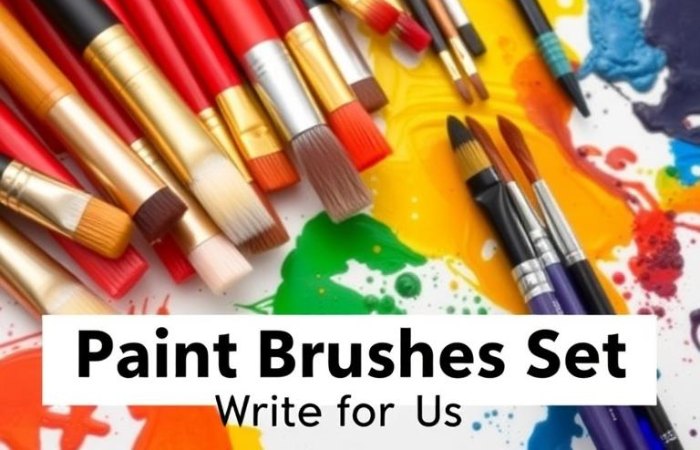
Paint Brushes Set Write for Us – Submit an Art Guest Post

A well-chosen paintbrush can make it easier to control a line, cover a large surface, create texture, blend color, or add a precise finishing detail. However, selecting a brush involves more than choosing a size. Bristle material, shape, stiffness, construction, handle length, paint medium, surface, and intended technique all influence how a brush performs.

Computer Tech Reviews welcomes original contributions from artists, art educators, illustrators, designers, product reviewers, brush manufacturers, material specialists, conservators, and experienced hobbyists. Through our Paint Brushes Set Write for Us section, contributors can share practical guides, material explanations, care advice, creative techniques, manufacturing insights, and balanced product comparisons.

This contributor page forms part of our broader Technology Write for Us hub, where we examine how tools, materials, manufacturing methods, and digital systems support creative and technical work.

What Is a Paintbrush?

A paintbrush is a handheld tool used to pick up, carry, spread, and shape paint, ink, varnish, dye, adhesive, or another compatible material. Artist brushes vary widely because a tool intended for watercolor washes may need different properties from one designed for thick acrylic paint, oil painting, miniature details, decorative work, or model finishing.

A typical artist’s brush contains:

  • Bristles or filament: The natural hair, synthetic fiber, or blended material that holds and applies paint.
  • Ferrule: The metal or other rigid section that holds the bristles and connects them to the handle.
  • Crimp: The compressed area that secures the ferrule around the handle.
  • Handle: The part held by the artist, commonly made from wood, plastic, bamboo, or another suitable material.
  • Tip or working edge: The shaped end that contacts the painting surface.

The quality of a brush depends on how these parts work together. Expensive materials do not automatically produce a suitable brush for every medium or technique.

Paintbrush Topics We Welcome

We accept original tutorials, buying guides, material explainers, product comparisons, care instructions, creative techniques, manufacturing discussions, and informed opinion pieces.

Suitable topics include:

  • Choosing a paintbrush set for beginners
  • Brushes for watercolor, acrylic, oil, gouache, and ink
  • Natural and synthetic bristle materials
  • Paintbrush shapes and their applications
  • Brush sizing and manufacturer differences
  • Short- and long-handled artist brushes
  • Brush care, cleaning, and storage
  • Preventing bristle damage and paint buildup
  • Brush manufacturing and quality control
  • Model, craft, and decorative painting
  • Product reviews and brush-set comparisons
  • Traditional and digital creative workflows
  • Art education and virtual demonstrations
  • Sustainable materials and responsible product claims
  • Documenting and presenting finished artwork

Natural and Synthetic Bristles

Artist brushes may use natural hair, synthetic filaments, or a blend. The appropriate material depends on the paint, desired handling, maintenance requirements, budget, ethical considerations, and artist preference.

Natural-Hair Brushes

Natural-hair brushes can vary in softness, spring, absorbency, shape retention, and durability. Different hair types may be used for watercolor, ink, oil painting, glazing, blending, or other specialized applications.

Product labels should be examined carefully because familiar material names do not always describe the exact source or construction in the way a buyer may assume. Articles discussing animal-derived materials should use accurate sourcing information and avoid unsupported ethical or sustainability claims.

Synthetic Brushes

Synthetic brushes commonly use nylon, polyester, or engineered blends. Manufacturers can vary filament diameter, taper, texture, stiffness, and arrangement to produce different handling characteristics.

Synthetic brushes may be suitable for watercolor, acrylic, oil, craft paint, or mixed-media work depending on their design. “Synthetic” does not describe one universal level of quality or performance.

Blended Brushes

Blended brushes combine different fibers to balance properties such as paint capacity, spring, durability, edge control, and cost. Contributors should evaluate the actual brush rather than assuming a blend always performs better than a single material.

Common Paintbrush Shapes

Brush shape influences the type of mark an artist can make. Some shapes are versatile, while others are designed for more specialized techniques.

Round Brushes

Round brushes have a pointed or rounded tip and can support lines, details, controlled strokes, and broader marks when pressure is applied.

Flat Brushes

Flat brushes have a straight working edge and may be used for broad strokes, blocks of color, edges, washes, and geometric marks.

Bright Brushes

Bright brushes resemble flats but usually have shorter bristles. They can provide firmer control and shorter, more defined strokes when used with compatible paint.

Filbert Brushes

Filbert brushes combine a flat body with a rounded edge. They are often used for blending, curved shapes, soft edges, and controlled coverage.

Angle Brushes

Angle brushes have a slanted edge that can support corners, curves, variable-width strokes, decorative work, and controlled edges.

Fan Brushes

Fan brushes spread their bristles into a fan shape. They may be used for blending, texture, soft transitions, foliage effects, and removing excess material.

Liner and Rigger Brushes

These brushes generally have long, fine bristles designed to create continuous lines, lettering, branches, details, and controlled linear marks.

The name of a shape does not guarantee identical proportions across manufacturers. Reviews should include dimensions or clear photographs where useful.

Understanding Brush Sizes

Paintbrush sizing is not completely standardized across all manufacturers and brush families. A size number from one brand may differ from the same number offered by another.

Useful brush measurements may include:

  • Bristle width
  • Bristle length
  • Ferrule width
  • Overall brush length
  • Tip diameter
  • Handle length

Writers should avoid presenting one universal conversion table unless it applies to a clearly identified manufacturer or standard. For comparisons, actual dimensions are more reliable than size numbers alone.

Brushes for Watercolor

Watercolor brushes often need to hold water and pigment while providing sufficient control for the intended technique. Soft rounds, pointed brushes, wash brushes, flats, mops, and liners may all have useful roles.

Watercolor-focused articles may discuss:

  • Water and pigment capacity
  • Point formation
  • Spring and release
  • Large washes and small details
  • Natural and synthetic alternatives
  • Paper texture and brush wear
  • Travel and water-reservoir brushes

No single brush set is necessary for every watercolor artist. Selection depends on painting size, technique, budget, and personal control preferences.

Brushes for Acrylic Painting

Acrylic paint can vary from fluid formulations to thick-bodied paint and textured media. Brush stiffness and shape should suit the paint consistency, surface, and intended mark.

Acrylic paint can dry quickly on bristles, making cleaning habits especially important. Writers should avoid recommending prolonged soaking that may damage handles, adhesives, finishes, or ferrules.

Useful acrylic-brush topics include:

  • Soft versus firm synthetic filaments
  • Brushes for fluid and heavy-body acrylics
  • Glazing and dry-brush techniques
  • Textured and impasto applications
  • Preventing dried paint near the ferrule
  • Cleaning between colors and after use

Brushes for Oil Painting

Oil painters may choose firmer brushes for moving thicker paint and softer brushes for glazing, blending, or finishing. Bristle material, solvent exposure, paint consistency, and surface texture can affect performance and service life.

Oil-painting articles should address safe studio practices when discussing solvents, mediums, cleaning agents, ventilation, storage, and disposal. Avoid suggesting that every solvent or household cleaner is compatible with every brush.

Paintbrushes and Oil Pastels

Oil pastels are normally applied directly to a surface, but brushes can still appear in mixed-media techniques. An artist may use brushes to apply underpainting, blend suitable mediums, add painted details, remove loose material, or combine pastel work with watercolor, acrylic, ink, or oil paint.

The materials must be compatible with the surface and intended layering method. Contributors should distinguish experimental techniques from established archival practices.

Writers focusing on pastel composition, blending, surfaces, color layering, storage, mixed-media techniques, and product comparisons can visit our Oil Pastels Set Write for Us page.

Brush Manufacturing and Machine Technology

Brush manufacturing may involve filament selection, sorting, cutting, shaping, bundling, adhesive application, ferrule forming, crimping, handle finishing, printing, assembly, and inspection. The balance between automated and manual work depends on the brush type, production volume, quality requirements, and manufacturer.

Manufacturing-focused articles may examine:

  • Synthetic filament production
  • Bristle sorting and shaping
  • Ferrule forming and crimping
  • Handle machining and finishing
  • Adhesives and curing
  • Automated assembly
  • Pull testing and shedding inspection
  • Shape consistency and quality control
  • Packaging and product traceability

Articles about particular machinery should identify the exact equipment, production function, safety controls, operating conditions, and quality requirements.

Digital Engineering and Brush Design

Brushes are physical tools, but digital methods can support their design and manufacture. CAD models, material data, prototypes, tooling designs, process simulations, testing records, and quality information may all contribute to product development.

Digital engineering can support:

  • Handle ergonomics and geometry
  • Ferrule and crimp design
  • Packaging development
  • Manufacturing-tool design
  • Material and supplier documentation
  • Prototype comparison
  • Quality and production traceability
  • Engineering change management

Writers focusing on CAD, simulation, model-based engineering, digital twins, product lifecycle management, manufacturing data, and virtual prototyping can visit our Digital Engineering Write for Us page.

IoT in Creative Studios and Manufacturing

Connected sensors and equipment can support environmental monitoring, inventory management, production tracking, maintenance, and energy management in studios and manufacturing facilities.

Potential applications include:

  • Temperature and humidity monitoring
  • Material and inventory tracking
  • Machine-condition monitoring
  • Equipment maintenance alerts
  • Production and quality data
  • Connected lighting systems
  • Energy-use monitoring

Connecting studio or production equipment introduces security, privacy, calibration, support, and maintenance responsibilities. It does not automatically make the creative or manufacturing process more efficient.

Contributors concentrating on sensors, connected devices, industrial monitoring, smart studios, edge computing, and device security can explore our IoT Write for Us section.

Printing, Toners, and Art Documentation

Artists may scan or photograph physical paintings and use printers to create proofs, portfolio pages, labels, educational handouts, packaging, or reference materials. Accurate reproduction depends on lighting, capture settings, displays, color management, paper, printer condition, and consumables.

Toner-based printers may be useful for text, documentation, labels, line work, and selected creative applications. However, a toner print is not automatically an archival reproduction of an original painting.

Writers focusing on laser printing, toner composition, cartridge compatibility, page yields, recycling, printer maintenance, and print quality can visit our Toners Write for Us page.

Artist Profiles and Creative Portfolios

An artist profile can help readers understand the creator’s background, preferred media, techniques, influences, exhibitions, teaching experience, and current work. A profile should provide more than promotional praise.

Useful profile topics include:

  • Writing an accurate artist biography
  • Photographing and presenting artwork
  • Creating a digital portfolio
  • Documenting materials and dimensions
  • Protecting personal information
  • Preventing impersonation
  • Disclosing commissions and sponsorships
  • Updating profiles across platforms

Writers focusing on professional identity, digital profiles, profile management, verification, privacy, and online presence can visit our Profile Write for Us page.

Virtual Art Classes and Demonstrations

Virtual meetings can support art classes, live demonstrations, critique sessions, studio tours, interviews, and collaborative creative projects. A useful setup should let participants see both the artist and the working surface clearly.

Articles may discuss:

  • Camera positioning for overhead demonstrations
  • Lighting and color visibility
  • Microphones and audio clarity
  • Screen sharing and reference images
  • Recording permission
  • Accessibility and captions
  • Participant privacy
  • Sharing material lists before a class
  • Managing questions during demonstrations

Contributors focusing on video conferencing, virtual teaching, hybrid events, meeting equipment, recording, accessibility, and collaboration platforms can explore our Virtual Meeting Write for Us section.

Cleaning and Caring for Paintbrushes

Correct care depends on the paint medium, filament, ferrule, adhesive, handle finish, and cleaning product. One cleaning method should not be assumed to suit every brush.

General care may include:

  • Removing excess paint before washing
  • Using a cleaner compatible with the paint and brush
  • Avoiding dried paint near the ferrule
  • Rinsing away remaining cleaning material when appropriate
  • Reshaping the bristles gently
  • Drying the brush without placing unnecessary pressure on the tip
  • Storing dry brushes with their working ends protected
  • Avoiding prolonged soaking unless the manufacturer recommends it

Articles about oil-paint cleanup should include appropriate guidance about ventilation, skin exposure, flammability, storage, and disposal.

Reviewing a Paintbrush Set

A useful review should explain who the brush set is for, which media were tested, and how the brushes performed over repeated use. A single first impression does not establish durability.

A balanced review may examine:

  • Included brush shapes and sizes
  • Bristle material and construction
  • Point and edge formation
  • Spring and paint release
  • Shedding and shape retention
  • Ferrule and handle quality
  • Comfort and balance
  • Cleaning performance
  • Compatibility with stated media
  • Packaging and storage
  • Price, limitations, and intended user

Contributors must disclose supplied products, sponsorships, affiliate relationships, and manufacturer involvement. Product descriptions should not be presented as independent reviews.

What Makes a Strong Paintbrush Article?

A useful article helps readers choose a brush, understand its construction, improve a technique, care for their tools, or evaluate a product. It should contain more than generic encouragement or a list of brush names.

Strong submissions should:

  • Address a clear question, technique, or buying decision.
  • Identify the paint medium and working surface.
  • Use accurate names for brush shapes and materials.
  • Include practical examples or first-hand testing.
  • Explain meaningful differences and trade-offs.
  • State actual dimensions when size numbers may be ambiguous.
  • Include relevant care and safety guidance.
  • Separate personal preferences from measurable product characteristics.
  • Support material and sustainability claims with reliable evidence.
  • Disclose commercial relationships.

Paintbrush Article Ideas You Can Pitch

  • Choosing a useful first brush set for acrylic painting
  • Natural and synthetic watercolor brushes compared
  • Understanding round, flat, filbert, and angle brushes
  • How to measure and compare brushes across brands
  • Preventing acrylic paint from drying in the ferrule
  • Testing brush shedding and shape retention
  • Setting up an overhead camera for a virtual art class
  • Using CAD and prototypes in brush-handle design
  • Digitizing physical artwork for a portfolio
  • How brush manufacturing and quality control work

Content We Are Unlikely to Accept

We do not accept articles created mainly to promote a brush brand, art store, course, service, or backlink. We may also reject submissions containing copied product descriptions, unsupported material claims, excessive keyword repetition, generic encouragement, or inaccurate cleaning advice.

AI-assisted writing is not automatically disqualified, but the author remains responsible for every claim. Do not submit invented product tests, personal experiences, material specifications, artist quotations, or sources.

Editorial Guidelines

  • Submit original content that has not been published elsewhere.
  • Write a minimum of 800 words for a standard article.
  • Use a clear title, introduction, headings, and short paragraphs.
  • Write naturally for readers rather than search engines.
  • Identify the paint medium, surface, brush, and technique.
  • Use current and reliable sources for material and safety claims.
  • Include original photographs only when you have permission to publish them.
  • Disclose supplied products, sponsorships, and affiliate relationships.
  • Avoid copied descriptions and promotional language.
  • Proofread the article for clarity, grammar, and factual accuracy.
  • Our editorial team may edit submissions for clarity and formatting.

How to Submit a Paintbrush Article

Before sending a complete draft, you may email a focused pitch containing:

  • Your proposed title
  • A short explanation of the article
  • The intended reader and the question being answered
  • A proposed outline
  • Links to relevant writing or artwork
  • Your artistic, educational, manufacturing, or product-testing experience
  • Details of any brand, employer, store, or client connected to the topic

Send your proposal or completed article to contact@computertechreviews.com. Use “Paint Brushes Set Write for Us” as the subject line so your submission can be directed to the appropriate editor.

Explore Related Technology and Creative Topics

Frequently Asked Questions

Do you accept articles from new artists and writers?

Yes. Previous publishing experience is useful but not required. We value practical knowledge, originality, accuracy, and the ability to explain tools and techniques clearly.

Can I review a specific paintbrush brand?

Yes, provided the review is based on genuine testing and remains editorially balanced. Explain how the brushes were obtained, which media were tested, and any commercial relationship with the brand.

Can I submit photographs of my painting process?

Yes, if you created the images or have permission to publish them. Avoid including recognizable people, private information, copyrighted artwork, or branded materials without appropriate permission.

Can I submit an AI-assisted article?

AI tools may assist with organization or drafting, but the author must verify every material claim, product detail, source, technique, and safety recommendation. AI-generated personal experiences or product tests are not acceptable.

Should I submit a pitch or a complete article?

You may send either. A focused pitch can help confirm that the subject fits our editorial requirements before you prepare the complete draft.