
How Implementing BANT Can Revolutionize Your Sales Process
In the competitive landscape of modern business, aligning sales strategies with buyer needs is more critical than ever. One method gaining traction in the technology and business sectors is the BANT framework: Budget, Authority, Need, and Timing. By adopting this method, companies can streamline their sales processes, reducing wasted efforts on leads that are unlikely to convert. This article will delve into how BANT can transform your sales strategy, outline its key components, guide you through its implementation, and discuss how to measure success using BANT techniques.
Table of Contents
How BANT Transforms Sales Strategies
Incorporating BANT into your sales process can significantly enhance your strategy by ensuring that sales teams focus on prospects with a higher likelihood of conversion. For instance, integrating edge computing capabilities into your sales infrastructure can enable real-time data collection, assisting sales representatives in assessing a prospect’s budget constraints immediately. This data-driven approach allows for more personalized sales pitches, catering directly to customer needs and timelines, ultimately increasing the rate of successful sales closures. Moreover, understanding What Is Bant is crucial for leveraging this strategy effectively.
Furthermore, using BANT helps prioritize leads based on readiness to purchase, which is essential in fast-paced industries reliant on microservices architecture. By focusing on qualified leads, sales teams can allocate resources more effectively, improving productivity and reducing the sales cycle duration.
Key Components of the BANT Framework
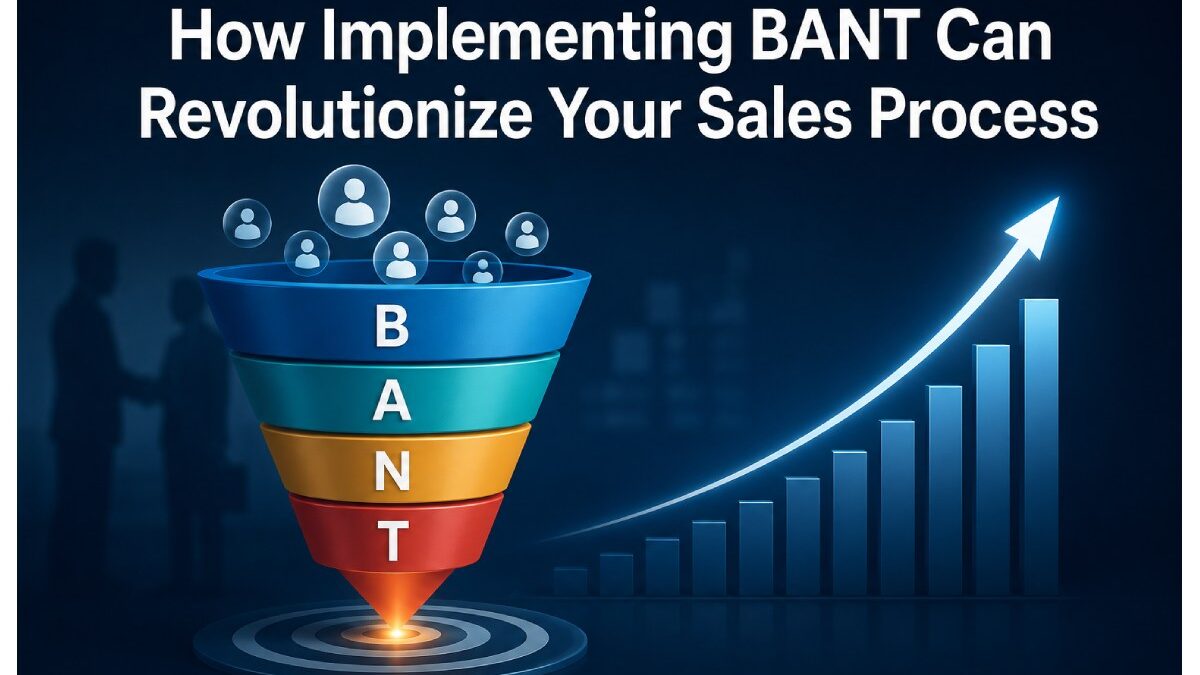
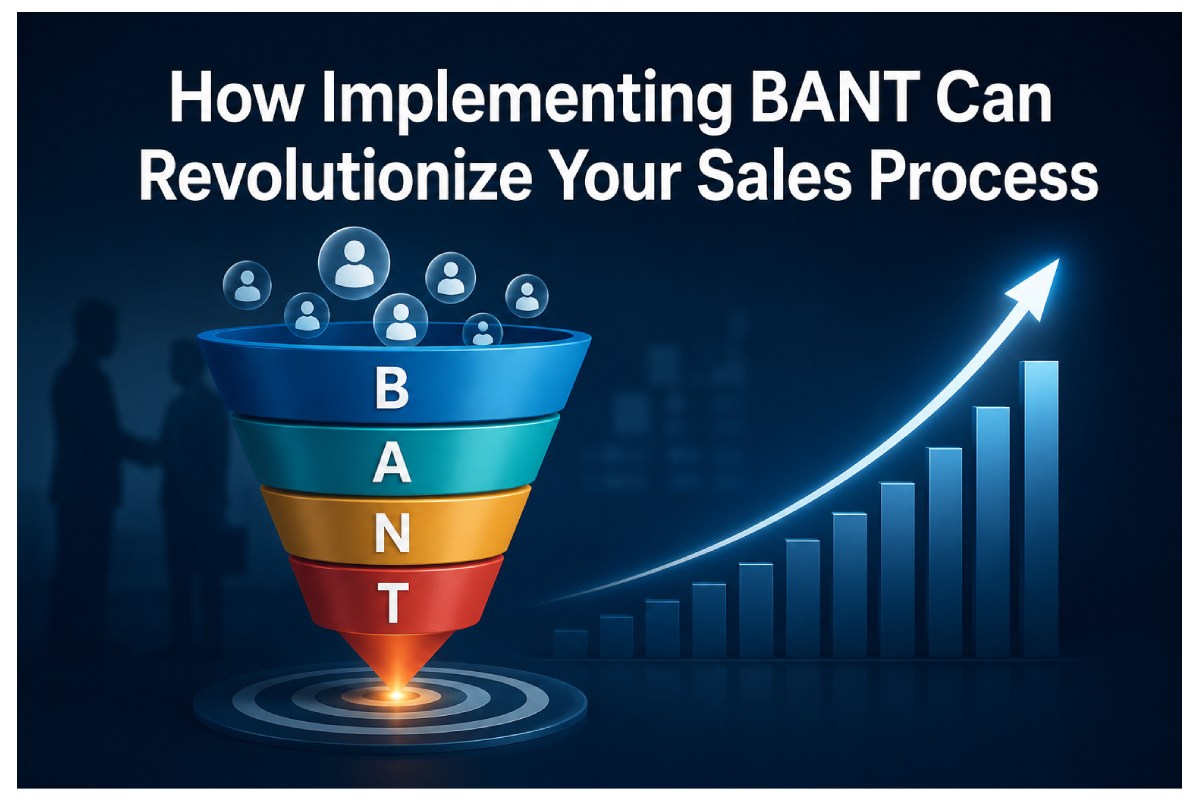
The BANT framework is built around four essential components: Budget, Authority, Need, and Timing. Budget refers to understanding whether the potential client has the financial resources to purchase your product or service. Authority identifies if the prospect has the decision-making power. Need evaluates the necessity of your offering in solving the prospect’s problems. Timing assesses the urgency of the purchase decision.
In technology-driven businesses, such as those employing an API gateway to enhance system integrations, understanding these components can lead to more effective targeting of prospects who are both technically and financially prepared to adopt your solutions. This precise targeting can significantly impact the effectiveness of your sales efforts.
Implementing BANT in Your Sales Process
Adopting BANT within your sales process begins with training your sales team to identify and qualify leads using the framework. This can involve creating a DevOps pipeline for continuous improvement and adaptation of sales strategies based on real-time feedback and analytics. A crucial part of implementation is ensuring that sales teams have access to comprehensive customer data and insights, which can be facilitated by a cloud orchestration platform. Such platforms can centralize data across various touchpoints, providing a more holistic view of the customer journey.
Moreover, to implement BANT effectively, businesses might need to conduct regular smart contract audits to ensure compliance and security in transactions, especially if they are operating within blockchain environments. This not only secures the transactions but also builds trust with potential customers, making them more likely to engage and transact.
How AI Can Make BANT Lead Qualification Smarter
BANT gives sales teams a useful structure for qualifying prospects, but gathering the information behind each of its four elements can still take time. This is where AI can help. Instead of relying entirely on manual research and conversations, AI-assisted sales tools can analyse CRM records, previous interactions, engagement patterns, and other available customer data to help sales teams understand which leads may deserve attention first.
For example, a prospect who repeatedly visits pricing pages, opens sales emails, or requests product information may be showing stronger buying intent than someone who has only downloaded a general resource. AI can help bring these signals together, while sales representatives use BANT to understand the prospect’s budget, decision-making authority, actual need, and expected timeline.
The important part is keeping people involved in the qualification process. AI can help organise information, identify patterns, and reduce repetitive work, but it may not understand every detail behind a customer’s situation. Used together, AI and BANT can give sales teams a more efficient way to prioritize leads without turning qualification into a completely automated decision.
Measuring Success with BANT Techniques
Measuring the success of BANT implementation involves tracking specific SaaS metrics like Monthly Recurring Revenue (MRR) and Annual Recurring Revenue (ARR). These metrics provide quantitative data on the financial impact of BANT on the sales process. Additionally, companies can employ digital twin technology to simulate customer interactions and predict the outcomes of different sales approaches, offering a predictive edge in strategizing.
To further quantify success, businesses should analyze the effectiveness of BANT through customer feedback loops and performance reviews. This might include setting up an incident response plan to quickly address and learn from any issues that arise during the sales process. Moreover, ensuring ISO/IEC 27001 compliance can demonstrate a commitment to data security, which is increasingly important to customers in the tech industry.
Conclusion
Implementing BANT can transform your sales process by focusing efforts on the most promising leads, optimizing resource allocation, and ultimately boosting conversion rates. For businesses in the technology sector, these improvements can lead to significant competitive advantages. By integrating real-time data tools and maintaining rigorous compliance standards, organizations not only enhance their sales outcomes but also establish a robust framework for sustainable growth. Embracing BANT is not just a tactical change; it is a strategic evolution towards a more efficient and effective sales process.