
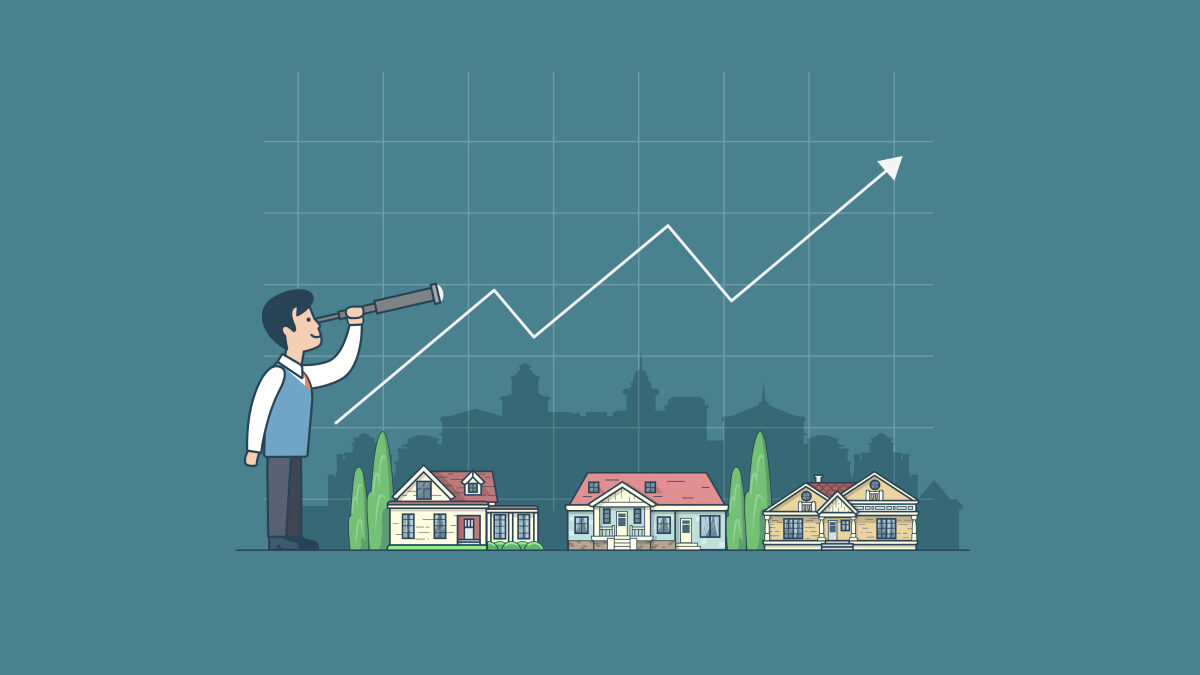

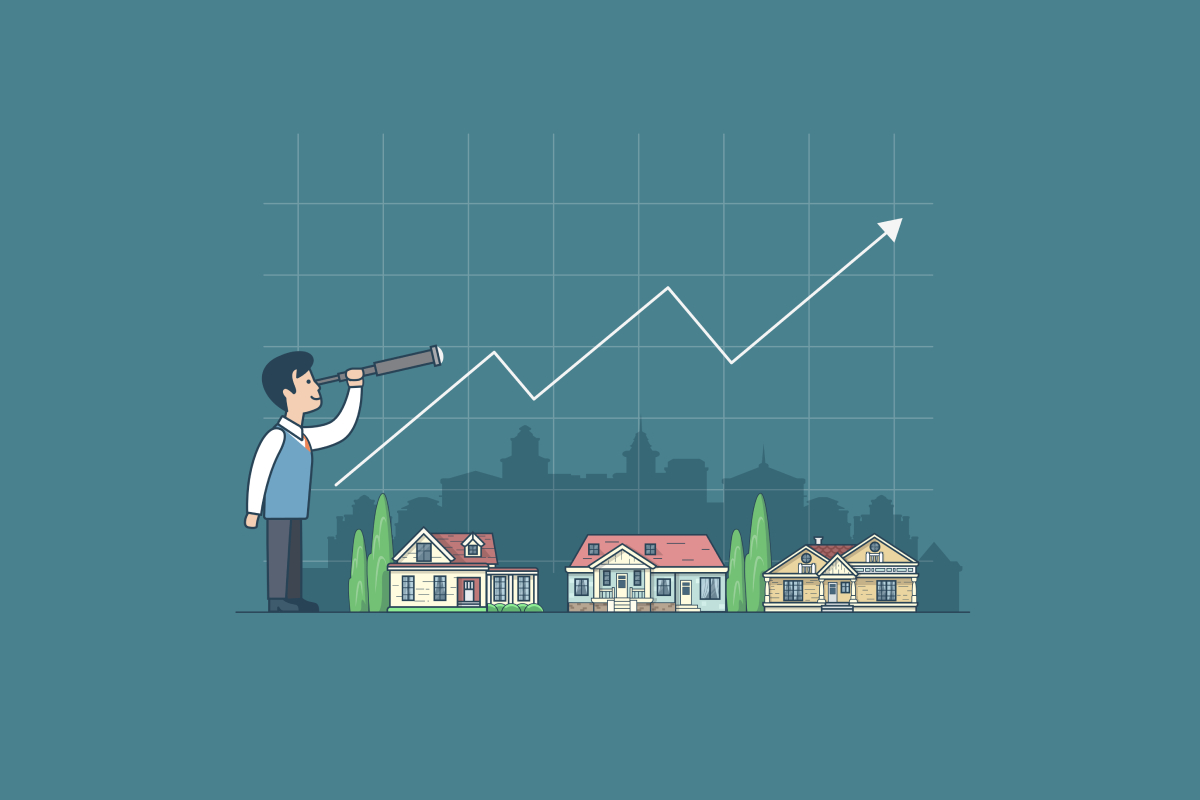
Housing Trends Influence Broader Business Decisions
In today’s digital economy, the real estate market no longer influences only buyers, sellers, and developers. Housing trends have become a broader economic signal — one that businesses across multiple industries now track closely to understand where consumers are moving, how they’re spending, and what regional markets are gaining or losing momentum. Everything from retail expansion plans to logistics networks and financial services strategies can shift based on early indicators in housing behavior. Even something as specific as the search query realtor in Hanford, CA, can reflect more than an individual’s curiosity; it can be a small but meaningful data point in a much larger economic picture.
This connection between housing activity and business strategy has strengthened over the past decade. As search behavior becomes more transparent and as AI improves at recognizing meaningful patterns, companies can interpret these signals far earlier than before. Housing decisions, after all, tend to precede major life and spending changes. When people research new regions, compare markets, or explore affordability options, businesses see those movements reflected in search trends long before traditional market reports catch up.
Table of Contents
Why Housing Trends Are Now Business Indicators
Real estate activity has always been interconnected with economic conditions, but the digital economy amplifies that relationship. People’s housing choices — where they plan to live, what they can afford, and how much space they want — can reshape everything from urban infrastructure to retail success. When a region gains popularity, even gradually, businesses feel it. New traffic patterns emerge. Consumer spending shifts. Hiring pools expand or shrink. Entire service sectors experience waves of opportunity.
Search behavior gives the earliest glimpse into these evolving preferences. When more people research relocation possibilities, school districts, or commuting times, businesses detect the pulse of future movement. That’s why data analysts and strategists across industries now pay attention to queries like the best directory of real estate agents in the USA. It may seem simple, but at scale it reveals rising interest in certain states, counties, or cities. Housing curiosity is a leading indicator of economic activity, and in a digital-first world, that curiosity is captured instantly.
How Businesses Interpret Housing Search Signals
What makes search data especially powerful is that it captures intention — not just action. People search for places and possibilities before making any commitments. A spike in searches for suburban homes or small-city rentals often arrives weeks or months before a measurable trend appears. Businesses that pay attention to these patterns can act earlier and more accurately.
Retail brands may study regional housing interest to decide where to open new stores or fulfillment centers. Healthcare providers may plan new clinics in areas showing rapid population inflow. Banks and lenders monitor mortgage-related searches to predict loan demand and tailor financial products. Even technology companies, which are often detached from physical locations, analyze housing trends to determine where remote workers are moving and which regions might become new innovation hubs.
Real estate search patterns form a sort of “digital weather map” that businesses use to forecast where consumer energy is gathering. And because AI systems can analyze millions of searches at once, these signals become increasingly precise.
AI’s Role in Turning Housing Trends Into Business Intelligence
Artificial intelligence plays a crucial role in transforming raw search data into actionable insight. Instead of manually tracking individual queries, AI recognizes broader relationships — how searches cluster geographically, how certain terms rise together, and how long surges in interest last.
For instance, if searches about moving to a particular region increase at the same time as searches about remote work, affordability, or lifestyle upgrades, AI can interpret that as a multi-layered shift in consumer priorities. Housing trends become connected to employment trends, spending habits, and long-term financial planning.
AI also helps distinguish noise from meaningful movement. A one-day spike in a small region might be random; a month-long rise is likely significant. Over time, these models become better at reading the digital fingerprints of demand.
Housing Trends and Their Ripple Effect on Business Decisions
Housing is often treated as its own independent sector, but in reality it acts as an anchor for countless other industries. When a community grows, demand for everything — groceries, transportation, construction materials, entertainment, banking — expands with it. Businesses monitor housing trends because they mark where future customers will live, work, and spend.
For example, when remote work surged, interest in suburban and small-city housing grew dramatically. That movement didn’t just change real estate markets; it reshaped commercial real estate, reshuffled education demand, influenced local tax bases, and forced retailers to rethink distribution strategies. Housing trends are rarely isolated. They spark a chain reaction across the entire economy.
Even modest growth in a smaller city can have noticeable effects. If a location begins appearing more frequently in relocation-related searches, companies may investigate whether it’s becoming a new talent pool or a potential logistics hub. Housing curiosity is often a stronger predictor of long-term economic development than short-term business performance.
Micro-Trends: Small Signals With Strategic Value
National trends tell one story, but the most valuable insights often come from smaller, quieter movements. When search interest rises in regions not traditionally viewed as economic centers, businesses pay attention. These micro-trends may signal an affordability shift, an emerging industry cluster, or a lifestyle-driven migration.
Small cities and rural areas, once overlooked, now appear regularly in housing search data. Businesses studying these signals can identify where opportunity may emerge before competitors notice. A handful of consistent search patterns can eventually reveal which markets will become the next growth areas.
The digital traces of housing interest, even from hundreds of miles away, hold economic meaning.
Why Businesses Treat Housing Trends as Forward-Looking Indicators
Companies now regard housing trends as a window into the future. When people begin researching new places to live, it doesn’t just indicate a change of address — it reflects broader shifts in income stability, job expectations, lifestyle priorities, and long-term financial planning. Businesses that recognize these changes early can adapt more effectively.
A rise in housing searches may prompt a retailer to expand into a new region. A decline may warn a service provider to diversify. A sustained increase in interest for a particular county may lead financial institutions to invest more heavily in mortgage products there. Housing-related digital signals help businesses position themselves correctly, reducing risk and improving strategic timing.
The Future of Business Forecasting Lies in Housing Data
As digital behavior becomes more transparent and AI-driven analytics grow more sophisticated, housing trends will continue to play an essential role in business forecasting. Real estate queries act as an early marker of where people hope to live — and where their economic activity will follow.
In a fast-moving digital economy, search data allows businesses to see these movements long before they crystallize. Housing trends are not just a reflection of real estate; they are a reflection of how Americans are preparing to live, work, spend, and relocate in the years ahead.