

This article is part of our Technology Education & Career Paths resource section
Table of Contents
Fiber Optic Technician
In the vast majority of job offers for fiber optic technicians, the functions that you have to perform are similar, and they include:
- Carrying out fiber optic deployments.
- Registering users and maintaining installation records.
- Performing fieldwork.
- Developing and carrying out network installations and maintenance.
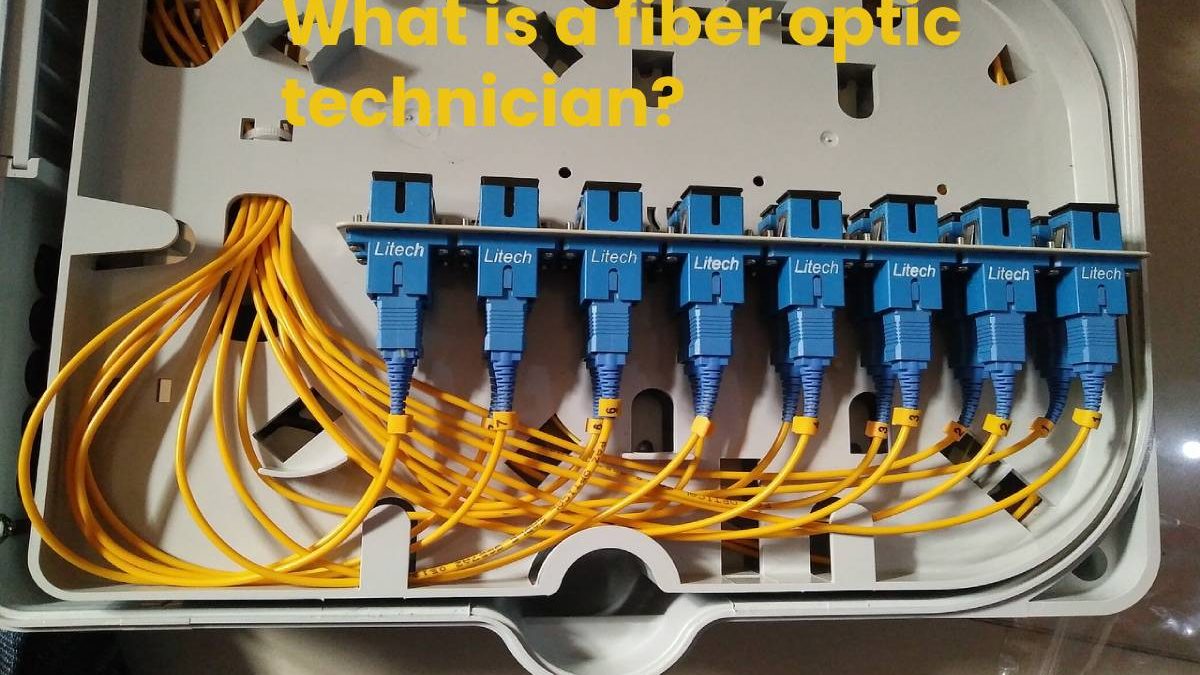
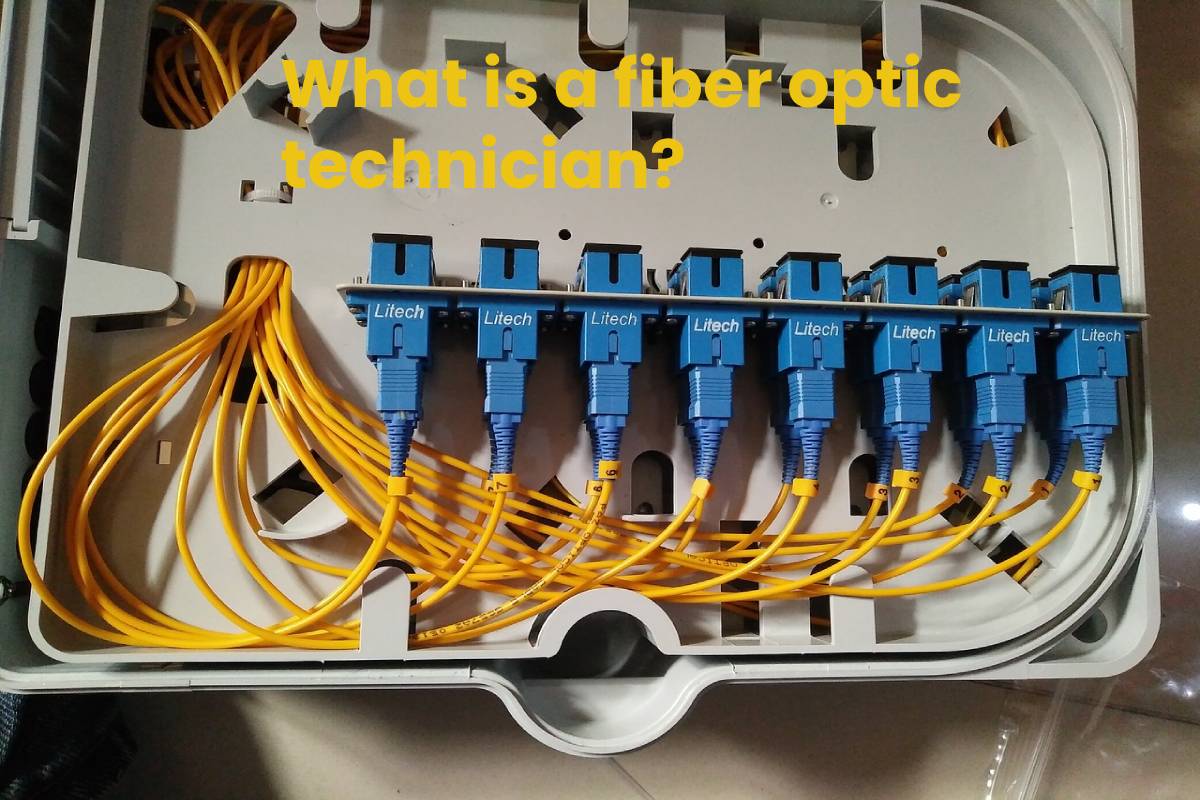
Typically, a fiber optic installer performs installation and maintenance work for both fiber optic and ADSL connections in areas where newer network infrastructure may not yet be available. This worker performs these functions at customers’ homes, installing the necessary cables, connecting equipment, and configuring the setup so that it works properly.
Working as a fiber optic technician can be a practical way to enter the telecommunications industry. If you are exploring technical career options, understanding how technology and education can help you build your career can help you identify the training and qualifications needed for this type of work. For many people, technical training combined with hands-on experience is a useful starting point.
Job description of fiber optic technician
Fiber optic technicians are also known as fiber network technicians. They can work in various buildings, from multi-story office buildings to small houses.
Their responsibilities include troubleshooting and maintaining fiber optic systems in offices, homes, universities, and other locations.
- Repairing old or broken wires and maintaining existing connections.
- Locating problem areas and fixing faults.
- Generating sensor readings and conducting inspections to ensure stable performance.
- Installing fiber optic cables underground and underwater, where the role and project require it.
- Calculating the signal strength of television, telephone, and internet connections to ensure adequate performance.
- Preparing and maintaining installation and maintenance records.
The exact duties depend on the employer and the type of network being installed. Some technicians mainly connect residential customers, while others work on larger commercial networks, outdoor cabling projects, or telecommunications infrastructure. They may also use optical power meters, visual fault locators, and other testing equipment to identify signal loss or installation problems.
Skills required to become a fiber optic technician
A fiber optic technician needs a combination of practical ability, technical knowledge, and attention to detail. The work often involves diagnosing faults under time pressure, following installation specifications, and ensuring that connections meet the required standards.
Useful skills include:
- Basic networking knowledge: Understanding how internet connections, routers, switches, and communication networks work.
- Cable installation and handling: Knowing how to route, protect, splice, and terminate fiber optic cables correctly.
- Testing and troubleshooting: Using testing equipment to identify weak signals, damaged cables, and connection failures.
- Safety awareness: Following procedures when working at heights, near electrical equipment, in underground ducts, or on outdoor sites.
- Customer communication: Explaining installation issues, answering basic questions, and keeping customers informed about repairs.
- Record keeping: Documenting work completed, test results, equipment used, and faults that may require further attention.
These skills can also support progression into other technical roles. For example, someone who develops a strong understanding of networks may later explore work as a system administrator, although that position usually requires additional knowledge of operating systems, servers, and IT infrastructure.
Certifications for fiber optic technician
If you want to work as a fiber optic technician, you should build knowledge related to electricity, electronics, computing, and telecommunications. Relevant preparation may include intermediate or higher-level vocational qualifications, university degrees, technical courses, or practical training programs.
Hiring a certified fiber optic technician can make a difference to a business by helping demonstrate that the worker has received relevant training. Whether you work as a freelancer or a full-time employee, developing recognized skills can improve your professional prospects.
Certifications associated with this field include those offered by the Electronics Technicians Association (ETA) and the Fiber Optic Association (FOA). The FOA Certified Fiber Optic Technician (CFOT) credential is one option to investigate. Before enrolling, check the certification provider’s current requirements, training options, examination details, and any experience prerequisites.
When choosing a course, look for practical training in cable preparation, connector installation, splicing, testing, fault identification, and safety. A course that includes supervised hands-on work can be particularly useful because employers often need technicians who can perform installations accurately, not just explain the theory.
You can also compare technical training with other entry-level IT jobs to understand which roles fit your existing skills, preferred working conditions, and long-term goals.
Salary
According to Glassdoor, the top job site, the salary of a fiber optic technician in the USA is $42,464 per year.
Actual earnings can vary depending on location, experience, employer, overtime, travel requirements, and the complexity of the work. Technicians who handle advanced testing, splicing, large-scale network deployments, or specialist infrastructure projects may find different opportunities from those focused mainly on residential installations.
When comparing job offers, look beyond the advertised annual salary. Check whether the position includes paid travel time, overtime, health benefits, equipment allowances, training, and opportunities for advancement. These details can make a meaningful difference to the overall value of a job.
Career opportunities and future prospects
Fiber optic networks support high-speed internet, business communications, cloud services, video streaming, and many other digital services. As homes and businesses depend on reliable connectivity, technicians are needed to install new connections, maintain existing infrastructure, and troubleshoot service interruptions. Demand varies by region and investment in telecommunications infrastructure, so it is worth checking local vacancies before choosing a training program.
Experience in fiber installation can lead to several related career paths. Depending on your training and work history, you could progress toward senior technician positions, fiber splicing, network testing, field supervision, or telecommunications project coordination. Additional qualifications may be needed for specialist roles.
The skills can also be useful when considering work in other countries. For example, people researching IT career opportunities in Southeast Asia should compare local demand, employer requirements, language expectations, salary ranges, and work authorization rules before applying. Qualifications and experience may not transfer automatically between countries, so verify the requirements for each position.
Is fiber optic technician a good career choice?
This career may suit people who enjoy practical problem-solving, working with equipment, and seeing the results of their work. Unlike many office-based IT positions, fiber optic installation frequently involves visiting customer premises, working outdoors, travelling between job sites, and handling cables or tools. It may not be the best fit for someone who wants a fully remote job or prefers computer-based work throughout the day. If remote work is a priority, compare this occupation with tech careers you can work from anywhere.
If you are more interested in emerging technologies, researching trending AI jobs in India can help you explore a different direction. These roles generally require different skills, so choose training based on the kind of work you actually want to do.
A career in telecommunications can be rewarding for people who value practical skills and ongoing learning. Reading about the reasons to pursue a career in tech may help you compare the wider benefits of technical work with your own interests and priorities.
Before committing, review job advertisements in your area, note the qualifications employers repeatedly request, and compare the cost of training with realistic entry-level salaries. Starting with a recognized course, learning safe installation practices, and gaining supervised field experience can help you build a stronger foundation for a career as a fiber optic technician.
