
What Is an Invoice Management System
Table of Contents
The Hidden Costs of Manual Invoice Processing
For many organisations, the accounts payable department is a whirlwind of paper, spreadsheets, and manual checks. Invoices arrive through various channels like post, email attachments, and supplier portals, creating a disjointed and chaotic starting point. Each document must be manually keyed into an accounting system, a process that is not only time consuming but also dangerously prone to human error. A single mistyped digit can lead to an overpayment, a duplicate payment, or a rejected transaction, creating a cascade of corrective work.
Once entered, the invoice begins a slow and often untraceable journey for approval. It might sit on one manager’s desk for days before being physically walked to another, with no real time visibility into its status. This manual routing is a primary cause of late payment penalties, damaged supplier relationships, and missed opportunities for early payment discounts. The final steps, processing the payment and physically filing the paper invoice in a cabinet, consume even more time and resources. This traditional method is not just inefficient; it is a significant financial and operational drain on the business.
Defining the Modern Invoice Management System
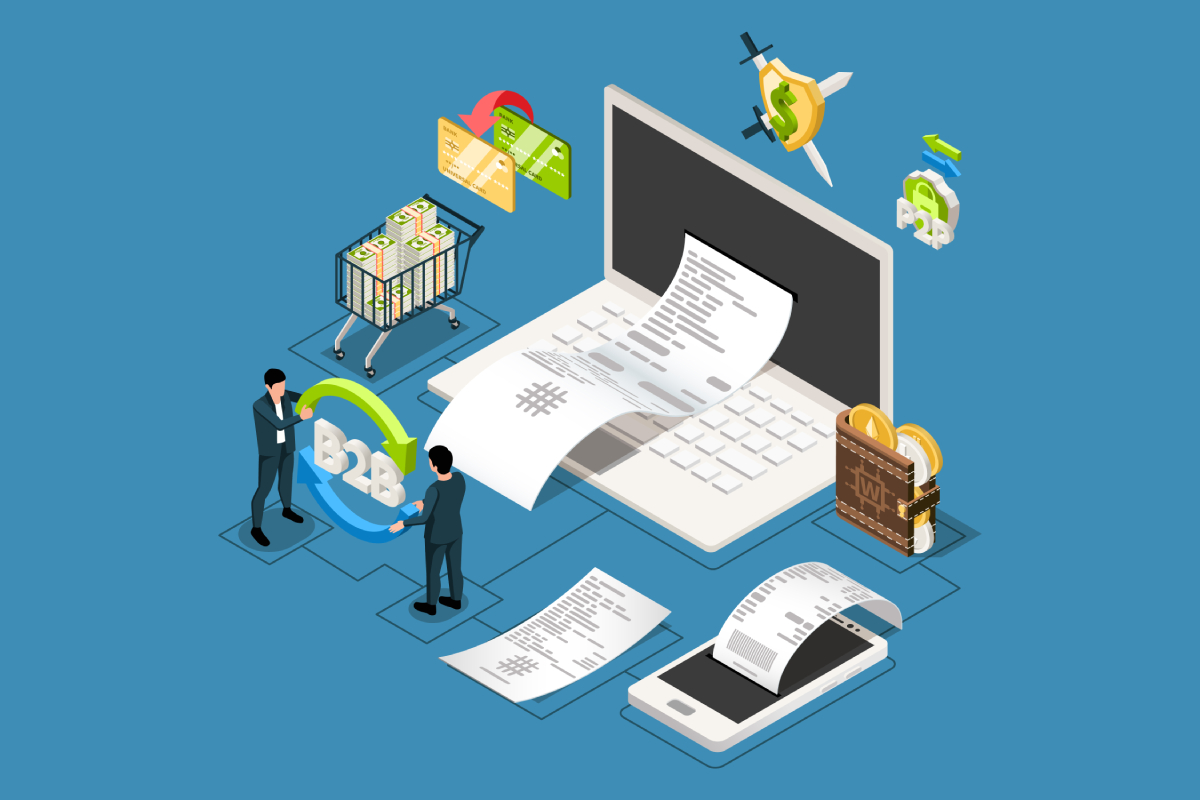
At its core, an invoice management system is a sophisticated software solution designed to automate and streamline the entire end to end accounts payable process, from receipt to payment and archival. It eliminates the manual touchpoints that bog down finance teams, replacing them with intelligent, automated workflows. By centralising all incoming invoices into a single digital platform, it provides unprecedented visibility and control over company spend.
Far more than a simple document scanner, a truly effective invoice management system like Yooz serves as a central intelligence hub for all things related to accounts payable. It uses advanced technologies to capture, read, and understand invoice data, automatically routing it for validation and approval based on predefined business rules. This shift transforms the AP department from a reactive, paper pushing cost centre into a proactive, data driven strategic unit.
The Automated Workflow: A Step by Step Breakdown
To understand how an invoice management system works, it is helpful to follow the journey of an invoice as it moves through the automated process. While specific features vary between providers, the fundamental workflow is consistent.
Invoice Capture
The process begins with capturing invoices from all sources. The system can automatically pull in invoices from dedicated email inboxes, supplier portals, or through direct scanning of paper documents. This omni channel capture ensures that no invoice gets lost, regardless of how it is sent.
Intelligent Data Extraction
This is where the magic happens. Using Optical Character Recognition (OCR) and Artificial Intelligence (AI), the system reads the invoice image and automatically extracts key information. This includes the supplier name, invoice number, date, line item details, quantities, and total amounts. Advanced systems can even learn the layouts of different supplier invoices over time, improving accuracy with every document processed.
Validation and Coding
The extracted data is then automatically validated against existing records in your accounting or Enterprise Resource Planning (ERP) system. The system can perform two way or three way matching, comparing the invoice details against the corresponding purchase order and goods receipt note. It can also automatically apply the correct general ledger codes based on historical data or predefined rules, saving the AP team hours of manual coding.
Automated Approval Routing
Instead of physically passing paper around, the system routes the digital invoice to the appropriate approvers based on customisable workflows. Rules can be set based on the invoice amount, department, supplier, or project code. Approvers are notified via email or a mobile app and can review and approve invoices with a single click, from anywhere in the world. The system tracks the entire approval history, creating a clear and compliant audit trail.
Payment and ERP Integration
Once fully approved, the invoice data is seamlessly pushed to the integrated ERP or accounting system, ready for payment processing. This eliminates the need for any final manual data entry, ensuring perfect data synchronisation between the two platforms.
Digital Archiving and Search
After payment, the invoice and all its associated data, including the approval history and communications, are stored in a secure, cloud based digital archive. This makes retrieval for audits or queries instantaneous. A simple keyword search can locate any invoice in seconds, a stark contrast to digging through boxes in a dusty storage room.
Essential Features of a Top Tier Invoice Management Platform
When evaluating different systems, several key features distinguish a basic tool from a truly transformative platform.
AI Powered Data Capture
Look for a system that goes beyond simple OCR. Modern platforms like Yooz leverage sophisticated AI and machine learning to achieve unparalleled extraction accuracy, even with complex or poorly scanned invoices. This intelligence minimises the need for human correction and accelerates the entire process.
Purchase Order Matching
The ability to automatically perform two way (invoice to PO) and three way (invoice to PO to goods receipt) matching is critical for businesses that use purchase orders. This feature automatically flags discrepancies and enables straight through, touchless processing for matched invoices.
Customisable and Dynamic Workflows
Your business is unique, and your approval processes should be too. A powerful system allows for the creation of flexible, rules based workflows that can handle any scenario, from simple single approver invoices to complex, multi level approvals based on dollar thresholds.
Seamless ERP and Accounting Integration
The system must be able to connect flawlessly with your existing financial software. Look for providers that offer pre built connectors for major ERPs and accounting systems, as well as robust APIs for custom integrations. This ensures a single source of truth for your financial data.
Advanced Analytics and Reporting
Visibility is a core benefit. The platform should provide real time dashboards and customisable reports that offer insights into key metrics like days payable outstanding (DPO), invoice cycle times, accruals, and cash flow forecasts.
The Transformative Business Benefits of Automation
Implementing an invoice management system delivers a powerful return on investment that extends far beyond the AP department. The benefits are both financial and strategic.
Studies consistently show that the cost to process a single invoice manually can be substantial, often ranging from ten to twenty pounds when accounting for labour, materials, and error correction. Automation can slash this cost by 80 percent or more. By eliminating late payment fees and capturing more early payment discounts, the system effectively pays for itself.
Speed is another major advantage. Invoice cycle times can be reduced from weeks to mere days or even hours. This not only improves efficiency but also enhances relationships with suppliers, who are paid more reliably and on time. Furthermore, automation dramatically reduces the risk of human error, duplicate payments, and internal fraud by enforcing strict controls and providing a complete, unalterable audit trail for every single transaction.
Navigating the Path to Successful Implementation
Adopting a new system is a significant project, but with careful planning, it can be a smooth transition. The first step is selecting the right partner. Look for a vendor with a proven track record, a deep understanding of AP processes, and strong customer support. During demonstrations, ask specific questions about how the system will handle your unique challenges and invoice formats.
Change management is equally important. Communicate the benefits of the new system to your team early and often. Frame it not as a tool to replace jobs, but as a way to eliminate tedious, low value tasks and empower employees to focus on more strategic activities like analysis and vendor management. Comprehensive training provided by the vendor is essential to ensure user adoption and confidence. A provider like Yooz will typically offer structured onboarding and ongoing support to facilitate this transition.
The Strategic Role of AI and Machine Learning in Accounts Payable
The most advanced invoice management systems are now heavily powered by artificial intelligence and machine learning, which are taking automation to an entirely new level. These technologies are moving beyond simple data extraction to provide predictive and prescriptive insights.
For example, the true power of a solution from a provider like Yooz lies in its machine learning capabilities that can detect anomalies and flag potentially fraudulent invoices that might look legitimate to the human eye. The AI can analyse spending patterns and provide predictive forecasts for cash flow management, helping the CFO make more informed decisions. It can also learn GL coding