


What Home Devices Matter Most During Blackouts
Blackouts disrupt daily routines faster than most households expect. When electricity suddenly disappears, basic activities such as lighting rooms, charging phones, or preserving food become immediate challenges. Preparation is not about extreme scenarios but about maintaining safety, comfort, and communication during uncertain hours or days. Choosing the right home devices in advance reduces confusion and prevents unnecessary stress when power fails. In this article, essential home devices for blackout survival are explained with practical, everyday guidance.
Table of Contents
1. Essential Safety and Communication
Reliable Lighting
Reliable lighting is the first and most immediate need during a blackout. LED lanterns provide wide-area illumination that makes common spaces usable after dark. Headlamps are especially helpful because they keep hands free for tasks such as cooking or checking breakers. Battery efficiency matters, as long runtimes reduce the need for constant replacements. Having multiple lighting options placed in accessible locations improves household safety. Well-lit spaces also reduce the risk of falls and injuries during nighttime movement.
Battery-Powered or Hand-Crank Radio
A battery-powered or hand-crank radio remains a critical communication tool during extended outages. These radios provide access to local updates when internet and television services are unavailable. Hand-crank models offer independence from disposable batteries, which may be hard to replace during emergencies. Clear audio and simple controls improve usability for all age groups. Consistent access to information helps households make calm and informed decisions. Even brief updates can reduce anxiety by restoring a sense of connection to the outside world.
2. Critical Power: The Foundation
A Home Backup Generator for Sustained Power
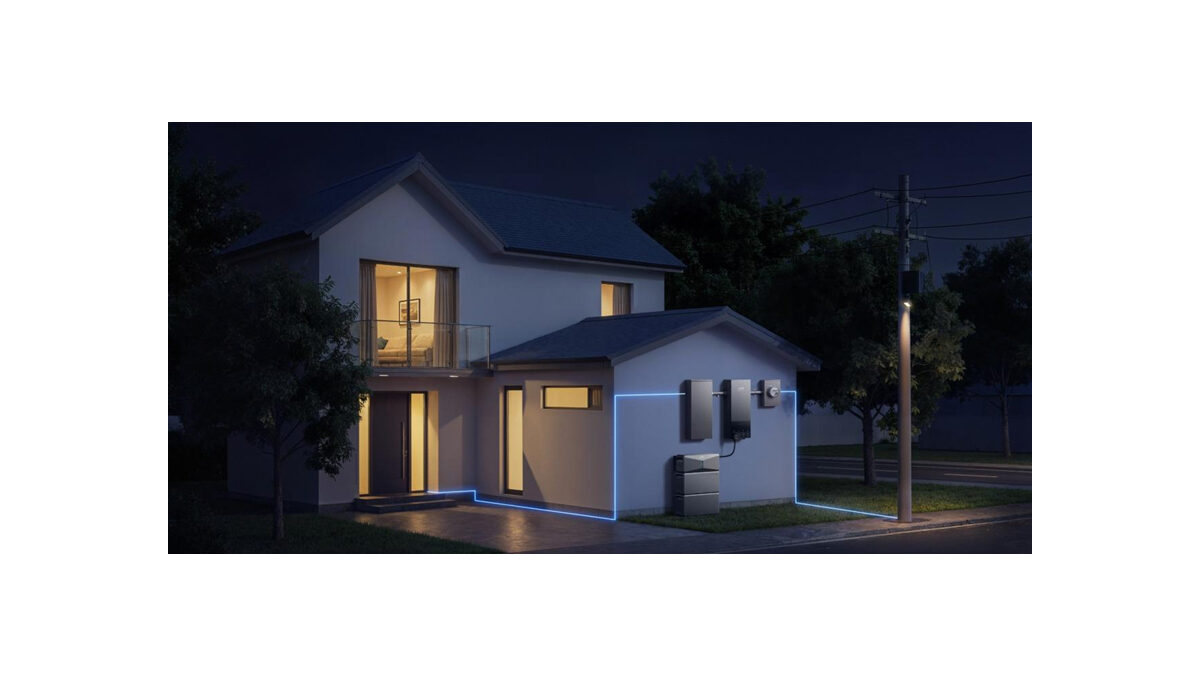
A home backup generator forms the foundation of long-term blackout preparedness. It supplies electricity to essential systems such as refrigeration, heating controls, and lighting. Unlike small devices, generators support multiple loads over extended periods. Modern systems often integrate generators with battery storage to smooth power delivery and reduce interruptions. For example, Anke solutions are designed to coordinate grid, battery, and generator input while providing around 7.6kW of continuous output and turbo output near 10kW, allowing daily appliances to operate more naturally during outages. This kind of sustained power helps households maintain familiar routines rather than switching to emergency-only behavior.

Power Banks and Car Chargers for Phones
Power banks and car chargers support communication when household outlets are unavailable. Phones serve as emergency contact tools, navigation aids, and information sources. High-capacity power banks extend usability over several days. Car chargers offer a backup option when vehicles are not accessible. Maintaining charged devices reduces isolation and supports coordination with family members. Reliable phone access also helps manage work, school, or caregiving responsibilities during outages.
3. Health, Food, and Water Security
First-Aid Kit and Medical Devices
Health and safety depend on immediate access to medical supplies during blackouts. A complete first-aid kit should include bandages, medications, and essential tools. Devices that require power, such as medical monitors, must be prioritized in power planning. Clear labeling and organized storage save time during emergencies. Consistent access to health equipment protects vulnerable household members. Regularly checking expiration dates ensures supplies remain effective when needed.
Coolers and Non-Perishable Food Supply
Food security becomes a concern when refrigeration is lost. Coolers help preserve perishables during short outages. Non-perishable foods reduce reliance on cooking or refrigeration altogether. Easy-to-open packaging and simple meal options improve practicality. Maintaining a balanced supply supports nutrition and comfort during extended disruptions. Familiar foods also provide emotional reassurance during stressful situations.
4. Basic Comfort and Function
Alternative Cooking
Alternative cooking methods allow households to prepare warm meals during blackouts. Outdoor grills or portable stoves provide flexibility when electric ranges are unavailable. Proper ventilation and safe placement are essential for operation. Simple cookware improves efficiency and reduces cleanup. Warm food supports morale and routine during stressful periods. Planning meals around available fuel prevents unnecessary waste or frustration.
Portable Heaters or Fans for Climate Control
Temperature control directly affects comfort and safety during outages. Portable heaters or fans help manage indoor conditions when central systems are offline. Energy efficiency and safety features such as automatic shut-off are important considerations. Placement should ensure airflow without blocking exits. Climate management supports rest and well-being during prolonged blackouts. Stable indoor temperatures also help protect pets and sensitive equipment.
5. Tools and Information Access
Multi-Tool, Manual Can Opener, and Whistle
Basic tools solve many small problems during blackouts. A multi-tool supports minor repairs and adjustments. Manual can openers ensure access to stored food without electricity. Whistles provide a simple way to signal for help if communication devices fail. These tools require no power but deliver high practical value. Keeping them in a known location saves time when visibility is limited.
Printed Emergency Plans and Contact Lists
Printed information remains reliable when digital devices are unavailable. Emergency plans clarify roles and meeting points for family members. Contact lists ensure important numbers are accessible without phones. Clear documentation reduces confusion during stressful situations. Prepared paperwork supports organized responses even in complete power loss. Simple, easy-to-read layouts improve usefulness for all household members.
Conclusion
Blackout preparedness focuses on maintaining safety, communication, and daily function rather than extreme survival. Essential devices such as lighting, radios, backup power, and basic tools address real household needs. Thoughtful planning ensures these items work together smoothly. Power solutions, including a reliable home backup generator, form the backbone of resilience. With practical preparation, households can face blackouts calmly and confidently.