
Use AI to Support Early Mesothelioma Detection
Hook: With mesothelioma often taking 20 to 50 years to manifest and less than 50% of patients surviving one year post-diagnosis, early detection remains critical.
Problem: Mesothelioma is hard to diagnose early because its signs, such as coughing and fatigue, are similar to those of common diseases. Its long latency means that mesothelioma is usually diagnosed when the cancer is already at an advanced stage.
Why it matters: Early identification broadens treatment options and improves survival. A delayed diagnosis often limits care to palliative measures instead of curative treatment. Improper management of digital health records or exposure histories can also endanger care coordination and future financial or legal assistance.
Solution: This guide offers a three‑step approach for utilizing AI to enhance early mesothelioma detection, enabling patients, caregivers, and healthcare professionals to respond more swiftly and accurately.
Proof: Research shows that machine learning models (particularly neural networks, decision trees, and support vector machines) hold promise in diagnostic prediction, achieving 78% to 99.97% accuracy in predictive studies. Validated technologies assist tumor segmentation and match expert assessments. They may eventually detect progression weeks earlier than conventional methods.
Who this guide is for: Patients alongside caregivers and healthcare professionals exploring diagnostic tech and advocates improving early detection outcomes.
What you’ll need: Access to a primary care provider or specialist, as well as documentation of medical and occupational history. You’ll also need a secure internet connection and verified patient portals.
Time to complete: 30 minutes to understand the framework, and one to two weeks to implement with your healthcare team.
Table of Contents
WHY YOU CAN TRUST THIS GUIDE
Problem: Families are overwhelmed by complex medical information alongside fragmented care across specialists and advocacy support. Early warning signs may be missed, and sensitive data may be compromised without structured digital approaches.
Solution: This guide combines peer-reviewed studies with practical methods. It highlights actionable measures utilizing current technologies.
Proof: Reviews show AI is being successfully applied to mesothelioma care, like tumor diagnosis (73.69%) and prognosis (21.05%). Facilities adopting these approaches report faster diagnosis alongside accurate staging and improved coordination.
Step 1: Leverage AI Diagnostics and Exposure Databases
What you’re doing: Collaborating with your healthcare team to access AI-powered imaging alongside biomarker software and digital history tools. This helps establish risk baselines and detect early abnormalities.
Why it matters: AI improves detection by revealing subtle tumor patterns and precisely measuring progression. It also connects symptoms to occupational exposure.
How to do it:
- Document a detailed timeline of workplaces, including military and shipyard settings, and homes with possible asbestos contact.
- Search verified databases for asbestos-containing products and high-prevalence regions.
- Use reputable AI symptom checkers to compare symptoms against early mesothelioma patterns.
- Track symptom onset and frequency alongside triggers digitally to support consultations.
- Share logs with your doctor and ask about screening intervals based on your risk profile.
- Request AI‑assisted CT/PET/CT analysis. They can detect subtle patterns and measure tumor volume more accurately than diameter‑based methods.
- Discuss AI‑enhanced biomarker testing like soluble mesothelin-related peptides (SMRP). This helps flag early disease.
Pro tips:
- Maintain a secure digital exposure log.
- Ask how machine learning integrates into pathology workflows.
- Consider genetic testing for BAP1 mutations if relevant.
Common pitfalls:
❌ Assuming all imaging uses advanced AI.
✅ Advocate for AI diagnostics at comprehensive cancer centers.
Success looks like: A comprehensive digital file containing verified exposure history and symptom tracking. You also have AI-evaluated scans reviewed by a specialist.
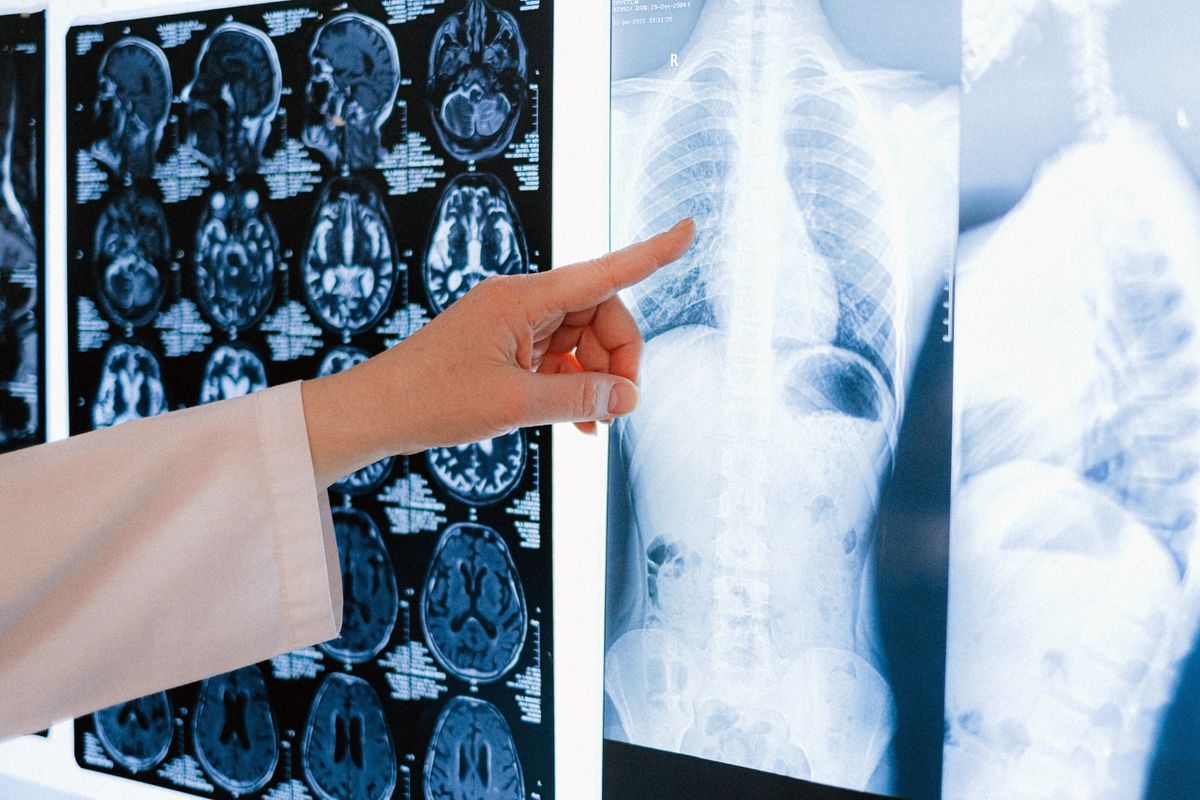
Step 2: Secure Your Digital Health Infrastructure and Access AI Powered Trial Matching
What you’re doing: Ensuring health information flows securely between providers via compliant platforms, whilst using AI systems to match your tumor profile to clinical trials.
Why it matters: Secure exchange prevents critical data loss between specialists and protects sensitive medical and legal records from breaches that could impact care or compensation. AI trial matching scans patient data and biomarkers alongside imaging to identify eligibility in seconds. This avoids manual delays that can cost valuable treatment time.
How to do it:
- Access complete records: Retrieve imaging, lab results, and clinical notes via secure portals for easy sharing with specialists.
- Verify HIPAA compliance for all portals before use: This applies to telehealth apps and health tools as well.
- Ask about AI referral routing: Ensure intake systems match your case to the right sub specialists based on histology and tumor features.
- Request AI trial screening: Ask if your team uses AI to match imaging and biomarker data to active protocols.
- Leverage volumetric imaging: Request AI analysis of pleural tumor volumes for accurate progression tracking and trial eligibility.
Pro tips:
- Enable two factor authentication and use a dedicated and encrypted email for medical/trial communications.
- Keep a digital folder with imaging, biomarker, and genetic results ready for rapid sharing.
Common pitfalls:
❌ Using unsecured apps or networks for sensitive data.
✅ Always verify privacy protections and use secure connections.
❌ Relying only on manual trial searches.
✅ Proactively ask about AI assisted trial matching.
Success looks like: A secure and HIPAA‑compliant digital health system where records move seamlessly between providers, referrals reach top specialists, and AI tools match your biomarkers and imaging to trials.
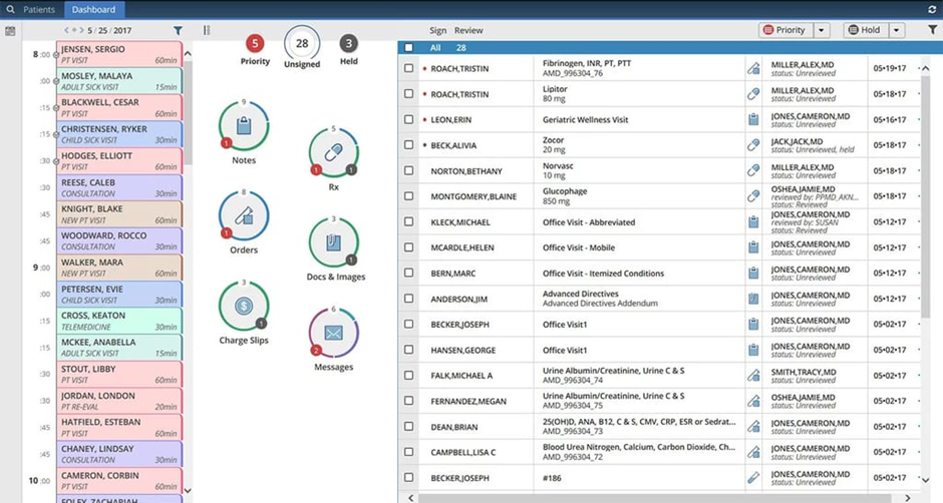
Step 3: Organize Care with Advocacy and Support Software
What you’re doing: Using digital tools to coordinate your care team, manage treatment logistics, access caregiver support, and connect with trusted resources.
Why it matters: Centralized software streamlines appointments and caregiver schedules while organizations like Mesothelioma Hope connect families to reliable medical, financial, and legal guidance.
How to do it:
- Track treatments, medications, along with referrals and appointments in a secure case management dashboard.
- Deploy caregiver apps to coordinate tasks and share updates alongside tracking daily health metrics, and managing respite scheduling.
- Access nonprofit directories for peer support, education, legal aid, and financial guidance.
- Use financial navigation tools to organize insurance and compensation documentation for professional review.
Pro tips:
- Grant limited dashboard access to trusted family members.
- Join encrypted online support communities.
Common pitfalls:
❌ Managing care via unsecured texts or social media.
✅ Use encrypted apps to protect sensitive information.
Success looks like: A centralized hub where caregivers coordinate and needs are managed. You have trusted networks that support you.

COMMON MISTAKES TO AVOID
Mistake 1: Delaying diagnosis due to vague symptoms
Why it’s a problem: Symptoms like shortness of breath and chest pain are often misattributed. This leads to late detection.
How to avoid it: Track persistent respiratory issues, especially with asbestos exposure history, and share data with your provider.
Do this instead: Ask directly about mesothelioma screening if you have risk factors.
Mistake 2: Assuming all imaging technology is equal
Why it’s a problem: Standard CT scans without AI may miss subtle signs of early disease.
How to avoid it: Confirm whether providers use AI assisted imaging.
Do this instead: Request AI enhanced diagnostic imaging when scheduling tests.
Mistake 3: Overlooking AI in treatment planning
Why it’s a problem: AI detects progression and predicts treatment response, alongside identifying trial eligibility, and personalizing care. Ignoring it can limit options.
How to avoid it: Discuss AI supported decision tools with your oncology team.
Do this instead: Ask if your treatment plan is informed by AI analysis and trial matching technology.
KEY TAKEAWAYS
- Early detection: AI tools can spot mesothelioma faster and earlier than traditional methods. This expands treatment options.
- Risk awareness: Documenting exposure history and tracking symptoms helps identify high risk individuals sooner.
- Care coordination: Patient portals and digital platforms ease the administrative as well as the emotional burden.
- Data privacy: Confirm HIPAA compliance before sharing health information.
FINAL THOUGHTS
- Summary: Success in early detection comes from knowing your risk and taking advantage of AI enhanced diagnostics. Using AI to coordinate care and get support through digital platforms helps you navigate all aspects of mesothelioma care.
- Benefit reminder: These tools reduce delays and improve provider communication. They enhance but don’t replace expert medical care and connect you to support resources.
- Encouragement: The process can be challenging. But start small by documenting exposure history and asking about AI imaging.
- Reality check: AI and digital tools are efficient. But medical and legal decisions must come from qualified doctors and licensed attorneys.
NEXT STEPS
Do this now:
- Document exposure history: Create a secure timeline of asbestos contact (work, home). Then store it with medical records.
- Secure digital access: Enable 2-FA and save encrypted copies of imaging and lab results for instant sharing.
- Ask specialists about AI: Confirm use of AI for trial matching and volumetric imaging. This speeds screening and improves accuracy.
Keep learning:
- Read more about recent oncological literature on AI assisted mesothelioma diagnosis.
- Connect with patient advocacy organizations for updated support.
- Explore clinical trial databases to understand emerging options.
Take action:
Start your personal health documentation this week, then share your exposure history and risk profile with your provider. Early engagement positions you for better detection and care outcomes.