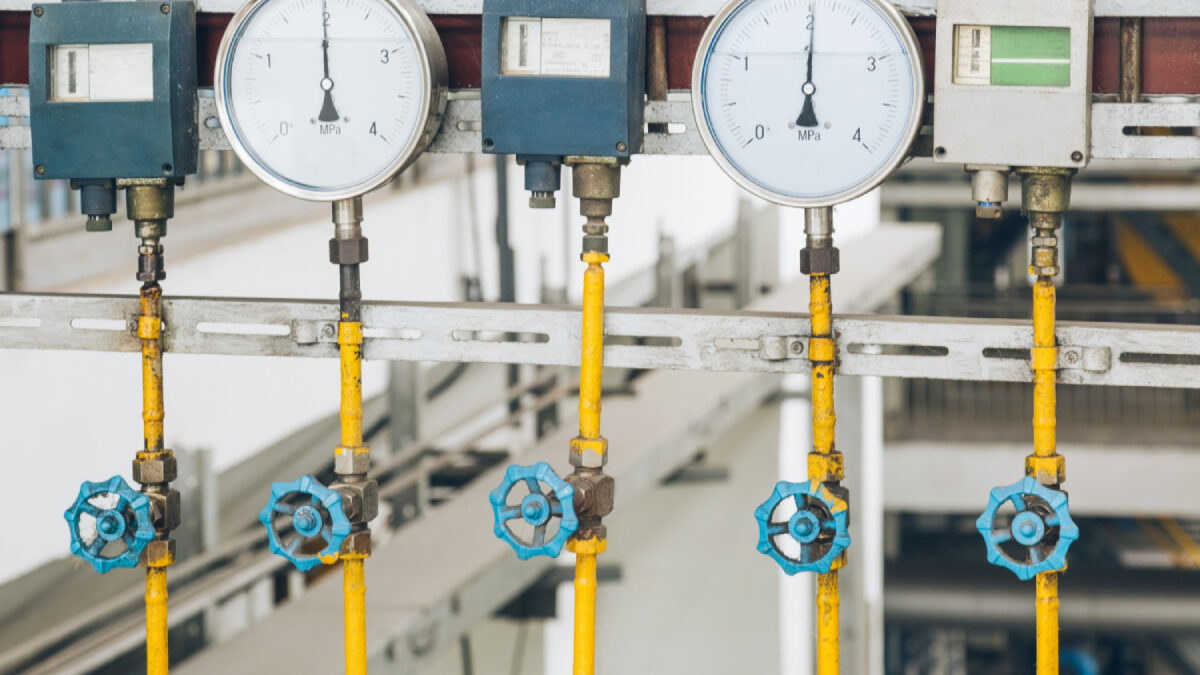

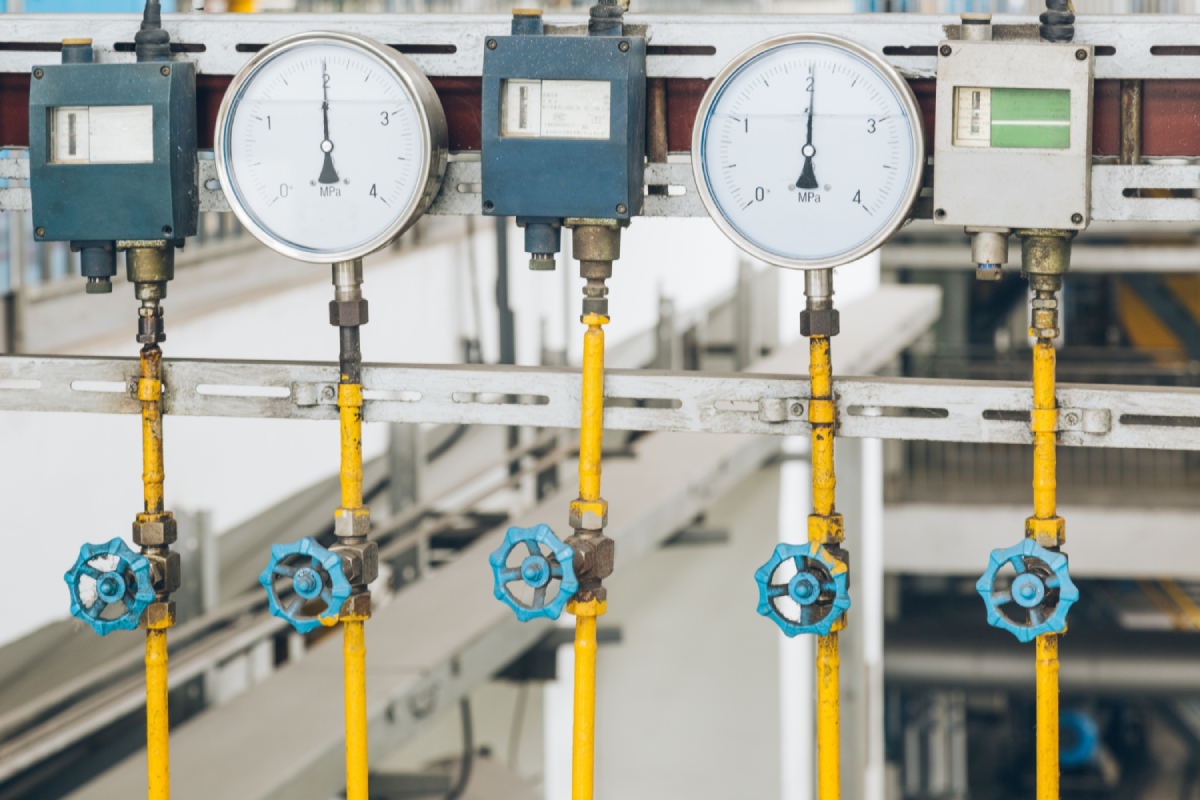
The Role of Pressure Sensors in Industrial IoT
The Industrial Internet of Things (IIoT) is transforming modern manufacturing and industrial operations. By connecting machines, sensors, and control systems through intelligent networks, industries can collect real-time data, improve operational efficiency, and reduce costly downtime.
At the center of many IIoT systems are sensors that continuously monitor critical operating conditions. Among them, pressure sensors play a vital role in ensuring process stability, equipment safety, and data-driven decision-making. From automated factories to water treatment plants and oil pipelines, pressure monitoring has become an essential part of smart industrial infrastructure.
Table of Contents
What Is Industrial IoT?
Industrial IoT refers to the use of connected devices, sensors, software, and industrial machines that communicate and exchange data in real time. Unlike consumer IoT applications such as smart homes or wearable devices, IIoT focuses on industrial environments where reliability, precision, and automation are critical.
In a typical IIoT system, sensors collect operational data from industrial equipment and transmit it to PLCs, SCADA systems, cloud platforms, or edge computing devices. This data allows operators to monitor performance, detect abnormalities, and optimize production processes more efficiently.
As industries continue moving toward smart manufacturing and Industry 4.0, the demand for accurate and reliable sensing technologies continues to grow.
Why Pressure Monitoring Matters in Industrial Systems
Pressure is one of the most important parameters in industrial operations. Accurate pressure monitoring helps maintain safety, improve product quality, and ensure efficient equipment performance.
Equipment Safety
Industrial systems such as hydraulic machinery, compressors, pumps, and pipelines often operate under high pressure conditions. Without proper monitoring, abnormal pressure levels can lead to leaks, equipment failure, or even dangerous accidents.
Pressure sensors provide continuous feedback that allows operators to identify unsafe conditions before serious damage occurs.
Process Stability
Many industrial processes rely on stable pressure levels to maintain production consistency. Industries such as chemical processing, food manufacturing, pharmaceuticals, and water treatment all require precise pressure control.
Even small pressure fluctuations can affect product quality, system performance, and operational efficiency.
Energy Efficiency
Monitoring pressure also helps reduce unnecessary energy consumption. By maintaining optimal operating pressure, industrial systems can minimize energy waste, improve machine performance, and lower operating costs.
How Pressure Sensors Work in IIoT Environments
In IIoT applications, pressure sensors do much more than simply measure pressure. They act as intelligent data collection devices that support automation and predictive analytics.
Real-Time Data Collection
Pressure sensors continuously monitor system conditions and generate real-time operational data. This information allows manufacturers to track equipment performance instantly and respond quickly to changing conditions.
Connectivity With IoT Platforms
Modern industrial pressure sensors can integrate with IoT gateways, edge devices, and cloud monitoring platforms. Data collected from sensors can be transmitted to centralized systems for remote monitoring and analysis.
This enables engineers and plant managers to supervise operations from virtually anywhere.
Integration With Automation Systems
Pressure sensors are commonly integrated with PLC and SCADA systems used in industrial automation. These systems use sensor feedback to automatically adjust machinery, control fluid systems, and optimize manufacturing processes.
The combination of sensing technology and automation improves production accuracy while reducing manual intervention.
Key Applications of Pressure Sensors in Industrial IoT
Pressure sensors are widely used across various industries and smart manufacturing applications.
Smart Manufacturing
In automated production environments, pressure sensors help monitor pneumatic systems, robotic equipment, and industrial machinery. Real-time pressure data helps manufacturers maintain stable production and improve process control.
Predictive Maintenance
One of the biggest advantages of IIoT is predictive maintenance. Instead of waiting for equipment failure, manufacturers can use pressure data to detect abnormal operating conditions early.
For example, unusual pressure fluctuations may indicate clogged filters, pump wear, or pipeline leakage. Identifying these issues early helps reduce downtime and maintenance costs.
Water Treatment Systems
Water treatment facilities rely heavily on pressure monitoring for filtration systems, pumps, and pipelines. Pressure sensors help ensure stable water flow and efficient system operation.
Oil and Gas Industry
In oil and gas applications, pressure monitoring is critical for pipeline safety, storage tank management, and drilling operations. Reliable pressure sensors help improve operational safety in harsh industrial environments.
Benefits of Using Pressure Sensors in IIoT
Integrating pressure sensors into IIoT systems offers several important advantages:
- Real-time operational monitoring
- Improved production efficiency
- Reduced equipment downtime
- Enhanced workplace safety
- Lower maintenance costs
- Better energy management
- Faster fault detection
- Data-driven decision-making
As industrial facilities become increasingly automated, these benefits become even more valuable.
Choosing the Right Pressure Sensor for IIoT Applications
Selecting the right pressure sensor is essential for long-term reliability and performance. Several factors should be considered when choosing a sensor for industrial IoT environments.
Pressure Range and Accuracy
Different applications require different pressure ranges and measurement accuracy levels. Selecting the correct specifications ensures reliable monitoring and system stability.
Environmental Resistance
Industrial environments may involve high temperatures, vibration, moisture, or corrosive materials. Pressure sensors should be designed to withstand harsh operating conditions.
Output Signal Compatibility
Modern IIoT systems often require compatibility with PLCs, SCADA systems, and digital communication protocols. Choosing sensors with suitable output signals simplifies system integration.
Long-Term Stability
Reliable long-term performance is especially important in industrial automation systems that operate continuously. High-quality industrial pressure sensors can help reduce maintenance frequency and improve operational reliability.
Future Trends in Smart Sensor Technology
As Industry 4.0 continues to evolve, pressure sensing technology is becoming smarter and more connected.
Several trends are shaping the future of industrial sensing:
- AI-driven predictive maintenance
- Edge computing integration
- Wireless industrial sensors
- Remote monitoring systems
- Smart factory automation
- Advanced data analytics
These technologies are helping industries move toward more intelligent, efficient, and fully connected manufacturing environments.
Conclusion
Pressure sensors play a critical role in Industrial IoT systems by enabling real-time monitoring, process automation, and predictive maintenance. As industries continue adopting smart manufacturing technologies, the demand for accurate and reliable pressure monitoring solutions will continue to grow.
From improving equipment safety to optimizing operational efficiency, pressure sensors have become an essential component of modern industrial infrastructure. Companies investing in reliable sensing technologies will be better prepared for the future of smart manufacturing and industrial automation.