

Sales intelligence has gone through a quiet but meaningful transformation. What once amounted to static contact lists and surface-level company data has evolved into something far more strategic. For business leaders, this shift matters because growth today depends less on volume and more on precision. The ability to identify the right accounts, understand buying context, and engage decision-makers intelligently is now a core competitive advantage.
As markets become more crowded and buyers more selective, sales intelligence tools are no longer just sales aids. They are decision-support systems that influence how companies allocate resources, shape go-to-market strategies, and forecast revenue. Understanding how these tools have evolved helps leaders make better buying decisions and avoid outdated assumptions about what sales intelligence should deliver.
Table of Contents
From Lead Lists to Real Insight
Early sales intelligence tools focused almost entirely on access. The value proposition was simple. Get more names, more emails, more phone numbers. While that approach worked in a less saturated environment, it quickly lost effectiveness as inboxes filled and buyers became harder to reach.
Modern sales intelligence has shifted toward relevance. Instead of asking how many leads a team can contact, businesses now ask whether they are engaging the right people at the right time. This evolution reflects a broader change in how sales teams operate. Success is no longer defined by activity alone but by the quality of conversations and the speed at which opportunities move forward.
This change has raised expectations. Business leaders now look for tools that provide context, accuracy, and usability, not just raw data.
Prospecting in a Data-Driven World
Prospecting remains one of the most critical and challenging parts of the sales process. The difference today is that prospecting is expected to be informed, efficient, and respectful of buyer time. Tools that support this shift focus on helping teams understand who to contact and why.
A B2B prospector supports this need by combining accurate contact data with filters that reflect real buying criteria. Instead of manually researching accounts or relying on outdated CRM entries, sales teams can identify decision-makers based on role, company size, industry, and other meaningful signals.
For leaders, the value of this kind of prospector lies in consistency. When prospecting is powered by reliable data, teams spend less time chasing unqualified accounts and more time engaging prospects who actually fit the business. This improves morale, reduces wasted effort, and makes pipeline performance more predictable.
Importantly, modern prospecting tools are designed to integrate into existing workflows. They complement CRM systems and outreach platforms rather than operating as isolated databases. This integration is what allows prospecting insights to translate into real results.
Intelligence Tools Are Becoming Strategic Assets
Sales intelligence is no longer owned exclusively by sales teams. Marketing, revenue operations, and leadership all rely on the same data to make informed decisions. As a result, intelligence tools are increasingly evaluated based on their strategic impact rather than their tactical features.
Leaders now expect visibility into account coverage, market penetration, and buyer behavior. They want tools that help answer questions like where growth opportunities exist, which segments are underserved, and how messaging resonates across industries.
This broader use case has driven the development of more sophisticated analytics and reporting capabilities. Sales intelligence tools are becoming platforms that support planning and forecasting, not just outreach.
The Convergence of Sales Intelligence and Business Intelligence
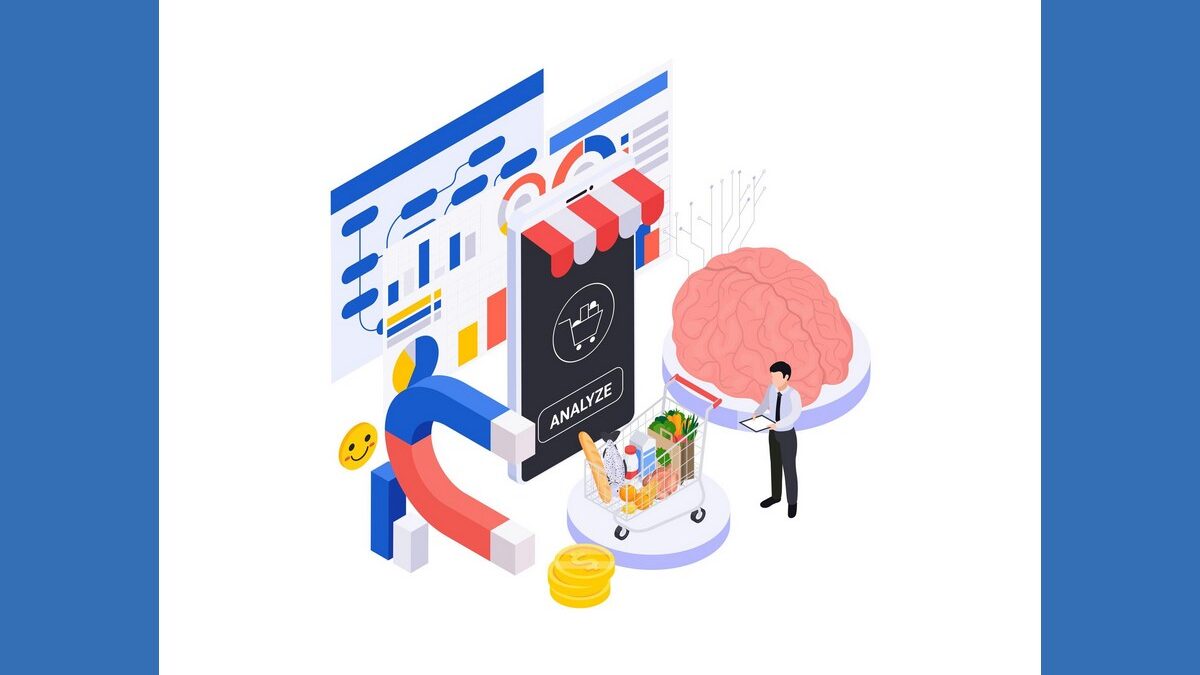
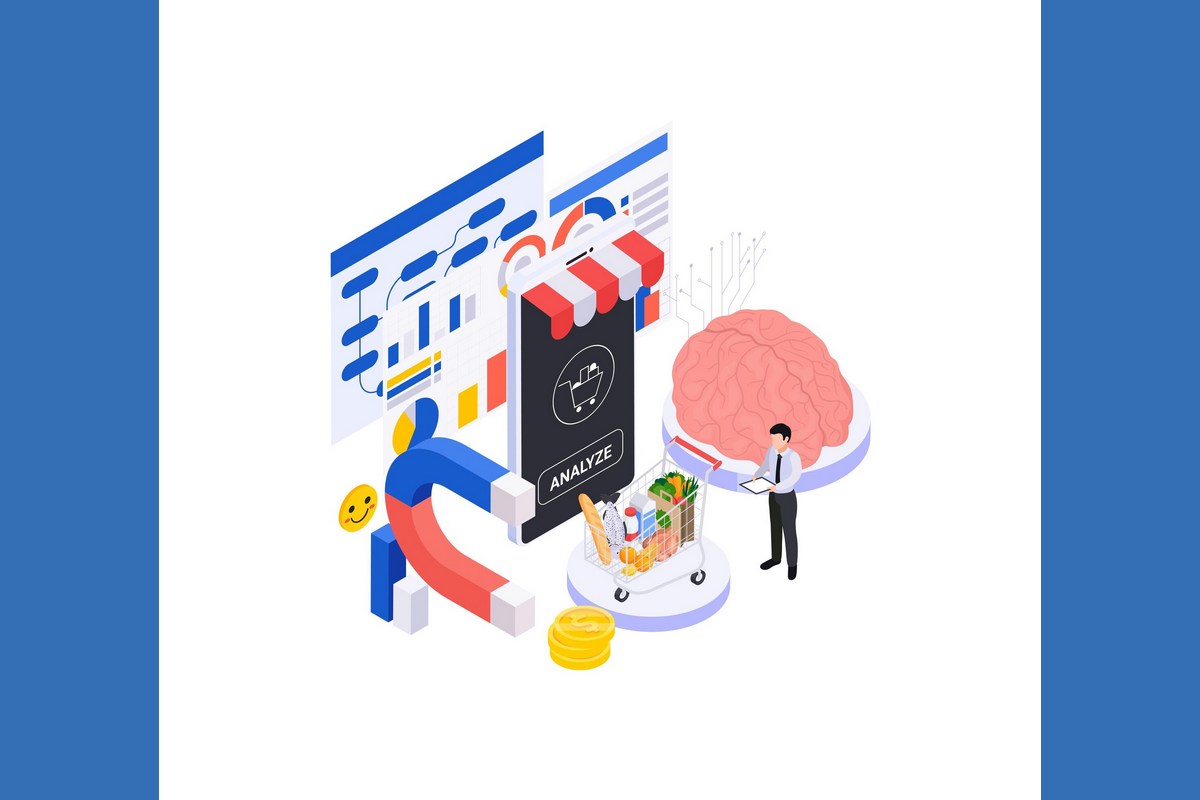
One of the most important trends shaping buyer expectations is the convergence of sales intelligence and business intelligence. Historically, these functions operated separately. Sales intelligence focused on contacts and accounts, while business intelligence focused on performance metrics and operational data.
Today, those lines are blurring. Leaders want a unified view of how intelligence feeds outcomes. They want to understand how prospecting quality affects conversion rates, deal velocity, and long-term customer value.
This convergence supports more strategic decision-making. When sales intelligence connects with broader business intelligence systems, organizations gain a clearer picture of what drives growth and where inefficiencies exist. This insight allows teams to refine targeting, adjust strategy, and invest more confidently.
What Buyers Should Expect From Modern Tools
As sales intelligence has matured, so have buyer expectations. Business leaders evaluating tools today should expect accuracy as a baseline, not a differentiator. Outdated or incomplete data undermines trust and adoption.
Usability is equally important. Tools should fit naturally into existing workflows and support collaboration across teams. If intelligence lives in silos, its value diminishes quickly.
Buyers should also expect transparency around data sources and refresh cycles. Understanding where information comes from and how often it’s updated helps leaders assess reliability and compliance risks.