
This article is part of our Business and Enterprise Software resource section
Standard Service Console
Before we showcase how to enable Service Console App, Let’s understand what Service Console is.
There are two different types of Apps in Salesforce: Standard and Custom.
For Both the Apps there are two different types of Navigation: Standard and Console The difference is that in a Standard Navigation only one record opens up in a Tab whereas in Console Navigation, multiple records can be opened at once.
We can also define if the related record should open as a separate tab or subtab in Navigation Rules.
This article is part of our Sales & Business Development resource section
Any App Standard or Custom which has a Console Navigation is a Console App. Now particularly if the App is developed for Service Cloud by incorporating all the Main Objects and Actions that a CSR would use in day to day activities in a one single window with a console Navigation then it’s a Service Console. This makes the Service Console an important interface within a broader CRM system where customer records, interactions, and service activities can be managed together.
In other words, it’s a hub for all Customer Service Activities which let the CSR work seamlessly without having to change multiple tabs or windows to do basic Service Cloud functions. This centralized model is also a key reason businesses rely on customer relationship management software to bring customer-facing activities into a more manageable environment.
Faster access to customer information can also support customer retention by helping service representatives respond more consistently to customer needs.
In larger organizations, this centralized approach can also work alongside Enterprise Resource Planning (ERP) systems to connect customer service activities with broader business operations.
For Users to have access to Service Cloud Console Apps, we need to ensure that the particular Org has Service Cloud Feature License available.
We can check that by going to Setup > Quick Find > Company Information > Feature Licenses
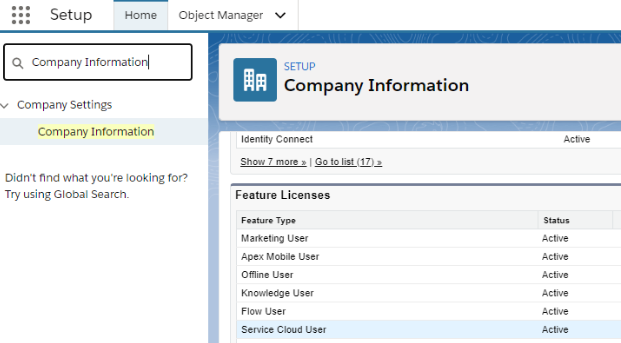
Based on the Feature Licenses number, you can enable the Service Cloud to the Users so that they can use the Service Console Apps.
To enable the Service Cloud on a User, open any User Record and Check the Service Cloud Users Checkbox.
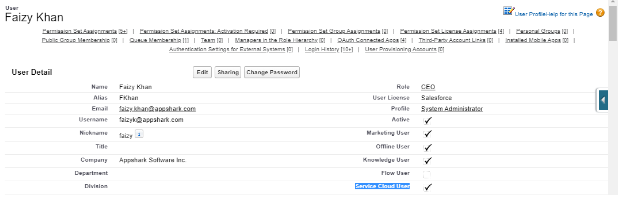
Now our User will have access to Service Console App, By Default Service Console App comes in all Orgs if the Feature License is present. Once access is configured, teams can use CRM segments to organize customer information and make service interactions more relevant. A well-organized customer journey can also benefit from technology shaping modern inside sales as service and sales teams increasingly rely on connected digital workflows.
We can create a Custom Service Console App as well. A thoughtful CRM implementation can help ensure that these console features are configured around the actual workflows and responsibilities of service teams.
To enable Standard Console App for any user, follow these steps:
Setup > Quick Find > App Manager > Service Console App
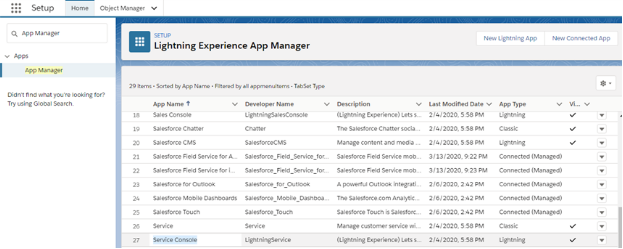
Open the Service Console Lightning App,by clicking on Edit from Dropdown. Service Console App will open.
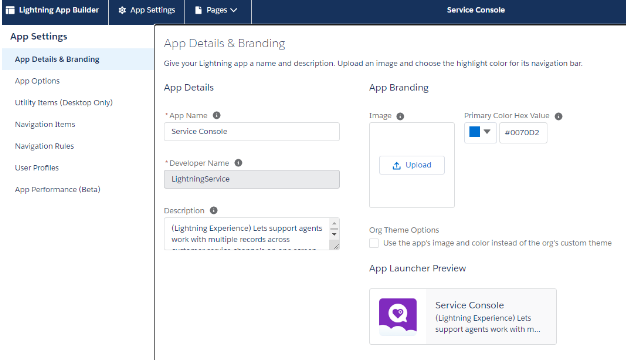
In the Lightning App Builder, Select User Profiles Section and move the Profile of the User for which you want to enable the Console to Selected Profiles. Become your own lighting developer!
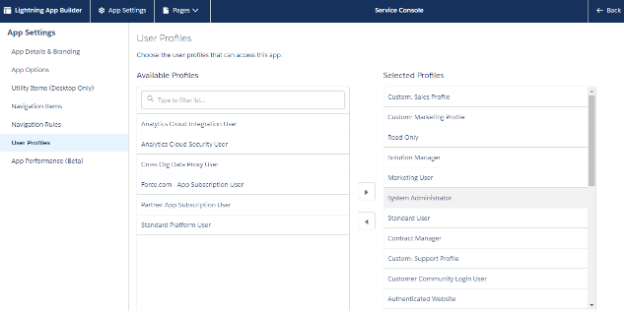
Our Standard Service Console is ready to be used. From the App Launcher, Search Service Console and Select the App. The Service Console is one example of how Salesforce-based solutions can bring specialized customer-service functionality into a centralized business platform.
When you open any Record, you can see how you have access to all information at one place. For sales teams working with complex products and pricing, the special features of CPQ software can complement this centralized access by supporting configuration, pricing, and quoting workflows.
The same centralized customer view can help businesses use CRM for lead management by giving teams easier access to prospect and interaction information.
Having customer information organized in one workspace also reflects the benefits of using a good CRM design, especially when service teams need quick access to relevant records.
Service teams can also coordinate customer conversations through channels such as WhatsApp. Businesses looking to connect messaging with lead and customer engagement can explore WhatsApp marketing strategies to multiply leads and sales.
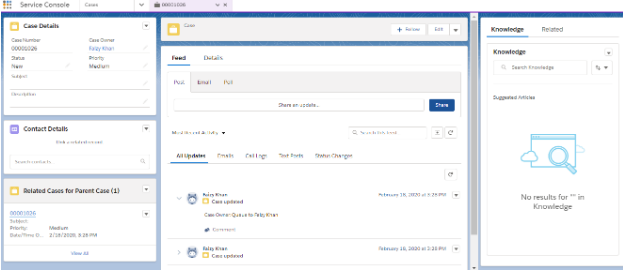
We can create a Custom Console App from Lightning App Manager with only the information we want by customizing App Options, adding the Items we need in Utility Items, defining Navigation Items and finally providing access to Profile. Organizations that manage quotation requests can also connect service workflows with RFQ software to keep request and customer information easier to access.
For eCommerce businesses using Magento, Magento CRM integration can similarly connect customer and order information with CRM workflows.
When CPQ is part of the wider sales environment, following the right steps for integrating CPQ software can help connect quoting workflows with customer and service information.
A centralized console can also help teams understand where customers are within the broader buying journey. Defining each sales pipeline stage gives sales and service teams a clearer view of customer progress and the actions required at each stage.
For businesses that rely heavily on digital communication, video can also support customer education and product engagement. Relevant video pop-ups to grow online sales can provide additional product information without requiring customers to leave the page.
Organizations can also use sales and service data to improve their wider digital sales process. Reviewing ways to get more sales online can help businesses connect customer engagement with measurable commercial outcomes.
When a customer or prospect moves from an initial inquiry to a direct conversation, preparation remains important. Teams can improve this transition by learning how to get the most out of the first sales call and ensuring relevant customer information is available before the conversation begins.
The customer experience also extends beyond the Salesforce environment to the company’s website. Businesses should consider how to ensure the company website is driving sales so that website visitors can move smoothly from researching a product or service to contacting the business.
For ecommerce businesses, marketplace performance can provide another source of useful sales information. An Amazon sales estimator tool can help sellers examine estimated marketplace sales when researching products and evaluating opportunities.
Magento users can similarly benefit from more detailed ecommerce reporting. Magento 2 advanced reports can provide additional visibility into sales information and help businesses examine performance alongside their customer and service data.
Sales teams using Salesforce can also examine the Sales Cloud features to boost business sales when looking at how sales activity can be managed alongside broader customer-facing operations.
Author Information
Raj Damera is the co-founder and a Salesforce Architect at AppShark. He is a well-rounded IT professional that can engineer and deliver complex technology solutions centered on the Salesforce platform.
Raj often helps customers that have multi-cloud and multi-platform solution needs. Raj loves to travel; He is Based in Toronto, but can be often seen in different parts of the world meeting clients and attending events.