
Omnichannel Customer Engagement
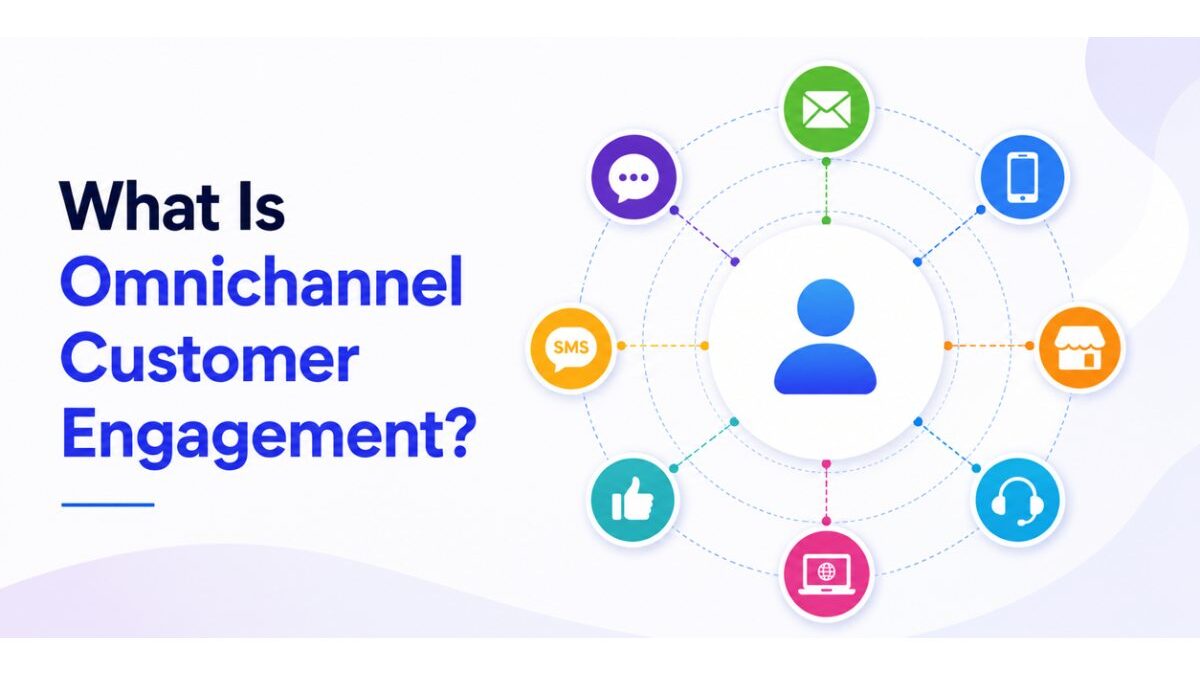
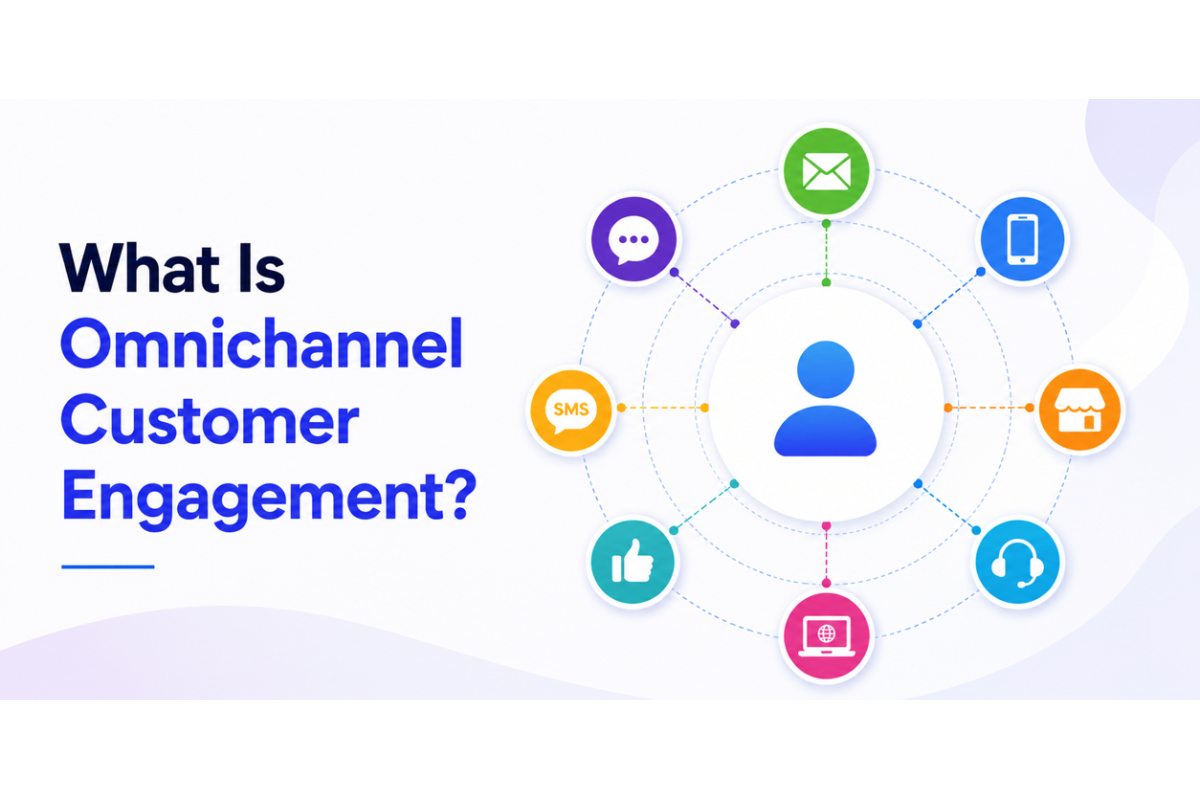
You’ve heard the term ‘omnichannel customer engagement’ tossed around, but do you really know what it means? Omnichannel customer engagement sounds complicated, but the goal is simple: make every customer conversation feel connected. In this guide, we’ll cover what omnichannel really means, how it differs from multichannel, and list down the best omnichannel customer engagement platforms.
Table of Contents
Omnichannel customer engagement: 5 key takeaways
- Omnichannel customer engagement connects every channel a customer uses (phone, SMS, email, web, app, chat, and social) into one coordinated experience built on a single, real-time customer profile.
- The difference between omnichannel and multichannel comes down to
- Multichannel means being present on many disconnected channels; omnichannel means those channels share context, so a conversation that starts by text can continue on a call without starting over.
- The unified customer profile is the feature that matters most. Every other capability (cross-channel consistency, real-time responsiveness, journey orchestration, consent management, analytics) depends on shared data.
- The market splits into two categories. Marketing-engagement platforms (Braze, MoEngage, Klaviyo, CleverTap, Insider) automate campaigns across digital channels, while contact centerplatforms (RingCX, Genesys Cloud CX) handle live voice, digital, and social conversations.
- Choose a platform based on your biggest gap, not the longest feature list. RingCX fits teams that prioritize unifying voice and digital customer conversations in one AI-powered workspace; Braze or Klaviyo fit teams that are focused on automated lifecycle marketing
What is an omnichannel customer engagement platform?
An omnichannel customer engagement platform is software that unifies customer data and coordinates interactions across multiple channels from a single system. Instead of one tool for email, another for SMS, and a separate system for phone support, an omnichannel platform connects them so every team sees the same customer history and every message reflects what came before.
An omnichannel customer engagement platform typically brings together:
- A unified customer view that combines data from every channel into one profile per customer, updated in real time.
- Coordinated messaging across email, SMS, push, voice, chat, and in-app, managed from one place.
- Behavior-based automation that triggers the next interaction based on what a customer does, such as a missed call, an abandoned cart, or a support request.
- Real-time visibility into activity, so teams can respond or adjust while the customer is still engaged.
- Analytics that measure engagement and outcomes across channels rather than channel by channel.
What is the difference between omnichannel and multichannel engagement?
The difference is coordination: multichannel uses many channels separately, while omnichannel connects those channels into one continuous experience. Both approaches reach customers in more than one place, but only omnichannel shares context across channels.
- Multichannel engagement runs each channel as its own silo. The email tool, the SMS tool, and the phone system operate independently, and a customer who switches channels often has to start over because no channel knows what happened on another.
- Omnichannel engagement unifies the channels around a single customer profile. A customer can begin a conversation by text, continue it on a call, and the agent or system already has the full history, so the experience feels like one conversation rather than several disconnected ones.
What are the benefits of omnichannel customer engagement?
Omnichannel customer engagement matters because customers move between channels constantly and expect the conversation to follow them. A customer might start with a text, call to follow up, and check email for confirmation, all about the same issue. When those channels are disconnected, the customer repeats themselves and the experience feels broken; when they are connected, the interaction feels effortless.
The practical payoffs of getting omnichannel engagement right include:
- Fewer dropped conversations because context carries across channels and nothing has to be re-explained when a customer switches from text to a call.
- Faster responses because teams see the full history in one place instead of searching separate tools.
- More consistent messaging because every channel draws on the same customer profile and the same rules.
- Higher retention and satisfaction because customers who feel known and helped are more likely to stay and buy again.
- Better visibility for managers because activity across channels is measured together rather than channel by channel.
What features should an omnichannel customer engagement platform have?
The most important feature is a unified customer profile because every other capability depends on shared data. When evaluating platforms, look for these capabilities, each of which directly affects the experience customers receive.
- Unified customer data: One real-time profile per customer, with no duplicates or silos, so every channel works from the same information.
- Cross-channel consistency: The same tone, logic, and context, whether the customer is on chat, email, SMS, voice, or in person.
- Real-time responsiveness: The ability to react to a customer action (a click, a call, an inactivity gap) as it happens, not hours later.
- Journey and conversation orchestration: Tools that route the next step based on real behavior, whether that is an automated marketing sequence or a live support handoff.
- Preference and consent management: Controls for how and how often each customer is contacted, which supports compliance with regulations such as GDPR, CCPA, and SMS opt-out rules.
- Integration and scalability: Connections to your existing CRM and tech stack, plus the capacity to grow with your volume.
- Real-time analytics: Live visibility into what is working across channels so teams can adjust quickly.
What are the best omnichannel customer engagement platforms?
The best omnichannel customer engagement platform depends on whether your priority is outbound lifecycle marketing or inbound customer conversations. “Omnichannel customer engagement” covers two distinct categories of software, and the right choice depends on which problem you are solving.
Marketing-engagement platforms specialize in automated campaigns and personalization across digital channels.
Contact center platforms specialize in real-time voice, digital, and social conversations. The platforms below are grouped and described by what each is best for, stated neutrally, so you can match a tool to your needs.
RingCX: best for unifying voice and digital customer conversations
RingCX is best for teams that want a true omnichannel engagement platform: an AI-powered contact center platform that brings voice and more than 20 digital channels (SMS, email, live chat, in-app messaging, and social channels such as WhatsApp and Facebook Messenger) into a single agent workspace. Because every channel runs through one system, agents see the full conversation history no matter where an interaction started, which is the core promise of omnichannel engagement.
RingCX’s AI omnichannel approach brings AI agents and human agents together on one platform, working side by side to support customers across every channel: :
- Native AI agents, AI Receptionist (AIR) and AI Representative (AIR Pro), handle customer interactions 24/7. AIR focuses on voice and SMS. It handles simple, single-task jobs like answering FAQs, capturing lead info, and booking appointments, so calls and texts never go unanswered. AIR Pro can complete multi-step tasks (such as confirming an appointment, verifying identity, and updating a record) in a single conversation, so human agents can work on issues that require human judgment.
- Intelligent handoffs: When a conversation moves from an AI agent to a human agent, full customer history and CRM data move with it, so the customer never has to repeat themselves, no matter how the conversation started.
- Real-time agent assist: Instead of agents digging through multiple documents mid-conversation, AI organizes relevant knowledge and suggests responses on the spot, keeping answers fast and consistent whether the interaction is by phone, text, or chat. Built-in checklists help agents stay on track during compliance-sensitive conversations, and live coaching flags issues early enough for agents to adjust before the call wraps up.
- AI-generated summaries: Every voice and digital interaction gets an automatic summary, so agents spend less time on manual note-taking and more time resolving the next customer’s issue.
- AI quality management: Rather than sampling a small percentage of calls, AI scores 100% of interactions, giving supervisors full visibility into performance and compliance, plus coaching notes that flag things like customer objections and competitor mentions for targeted follow-up.
RingCX delivers enterprise-grade omnichannel engagement for businesses of any size, without the complexity or cost of a typical enterprise system. Setup is simple and straightforward, so the contact center can be up and running in days.
Braze: best for enterprise lifecycle marketing
Braze is best for large companies that run complex, behavior-driven marketing journeys across email, push, SMS, and in-app messaging. Braze is known for advanced journey orchestration and segmentation, and generally suits enterprises with dedicated marketing and engineering resources.
MoEngage: best for customer insights and cross-channel automation
MoEngage is best for growing brands that want strong customer analytics combined with automated cross-channel campaigns. MoEngage emphasizes customer insights, AI-assisted send-time and channel recommendations, and messaging across email, SMS, push, in-app, and WhatsApp.
Klaviyo: best for ecommerce email and SMS
Klaviyo is best for ecommerce and direct-to-consumer brands that need targeted email and SMS marketing tied to shopping behavior. Klaviyo integrates closely with ecommerce platforms and automates flows such as welcome series, abandoned-cart reminders, and post-purchase campaigns.
CleverTap: best for mobile-app engagement
CleverTap is best for mobile-first businesses such as apps, fintech, and gaming that focus on user retention. CleverTap pairs in-app behavioral analytics with push notifications and in-app messaging to re-engage users and improve retention.
Insider: best for retail and travel personalization
Insider is best for ecommerce, retail, and travel brands that want to personalize the experience while customers are actively browsing. Insider combines website and app personalization with cross-channel messaging across email, SMS, and WhatsApp.
Salesforce Marketing Cloud: best for enterprises in the Salesforce ecosystem
Salesforce Marketing Cloud is best for large organizations already invested in Salesforce that want marketing, service, and sales data connected. It offers broad orchestration and AI features, with the trade-off of greater setup complexity and cost.
Genesys Cloud CX: best for complex enterprise contact centers
Genesys Cloud CX is best for large support operations that need proven voice, routing, and contact-center infrastructure across voice, chat, email, and messaging. Genesys is highly customizable and built for scale, but generally requires technical expertise and longer timelines to implement.
How do you choose the right omnichannel customer engagement platform?
Choose your platform by starting with your single biggest problem, not the longest feature list. The right tool is the one that solves the gap you actually have, so match the category to your need.
Frequently Asked Questions
What is omnichannel customer engagement in simple terms?
Omnichannel customer engagement means connecting every channel a customer uses (phone, SMS, email, web, app, chat, and social) so the experience stays consistent and continuous as the customer moves between them. The defining feature is a shared customer profile, so activity on one channel is known on all the others.
What is the difference between omnichannel and multichannel?
Multichannel engagement uses several channels that operate separately, so a customer who switches channels often starts over. Omnichannel engagement connects those channels around one customer profile, so the conversation carries across phone, text, email, and chat without starting over. Omnichannel is multichannel plus shared context and coordination.
What is the best omnichannel customer engagement platform?
RingCX stands out as the best customer engagement platform, unifying voice and 20+ digital channels in a single omnichannel workspace where AI agents and human agents work side by side. . For enterprise lifecycle marketing, Braze is a common choice. For e-commerce email and SMS, Klaviyo is a common choice. For mobile-app retention, CleverTap fits well. Match the platform category to the problem you are solving.
Does omnichannel customer engagement replace a CRM?
No. A CRM stores the customer record, while an omnichannel engagement platform coordinates communication across channels using that record. The two are complementary and usually integrated, so the CRM supplies customer context and the engagement platform acts on it.
Unify client communications with an omnichannel platform
Omnichannel customer engagement is about connection, not just coverage: the goal is one continuous experience across every channel, powered by a unified view of the customer. The best omnichannel customer engagement platform is the one that solves your biggest gap: conversational platforms such as RingCX for live voice and digital conversations, and marketing-engagement platforms such as Braze, MoEngage, or Klaviyo for automated campaigns across digital channels. Start with the problem you most need to solve, then choose the platform built for it.