
How vehicles are becoming computers on wheels
This article is part of our Automobile Technology Fundamentals resource section.
More so than ever before, cars on the market today use cutting-edge technology to provide the most comfortable and all-encompassing driving experience possible. While the automotive industry has always relied on the latest new integrated tech to get the best results for its consumers, the recent growth of autonomous technology (coupled with an environmentally-charged shift towards the widespread use of electric vehicles (EVs)) has had a transformative effect on the market. With increasingly advanced battery-electric and hybrid cars accounting for nearly a third of new car sales in the UK in February 2022, is it really true that our vehicles are becoming ‘rolling computers’?
This transformation is part of a much broader wave of state-of-the-art vehicle technologies changing how cars are designed, manufactured, and driven. Modern vehicles now combine advanced software, digital displays, connected services, sensors, and automated safety features. As these systems become more sophisticated, software is becoming just as important to vehicle performance as traditional mechanical components.
The Growth of Autonomous Technology
The rapid growth of the EV trend has prompted wide discussion surrounding the social and environmental responsibility of both individual road users and the automotive industry as a whole, leading to a marked increase in the number of electric car leasing services operating in Britain and worldwide.
As well as offering a ‘greener’ way of traversing the roads, EVs also tend to utilise more integrated autonomous technology (including advanced AI) than fossil fuel vehicles, which means that the process of driving and operating an EV is physically much easier, or completely effortless altogether.
These connected and automated capabilities are also central to understanding what a smart car is. Smart cars use sensors, onboard computers, internet connectivity, and intelligent software to assist drivers and control different vehicle functions. Depending on the model, these systems can support navigation, collision avoidance, parking assistance, remote diagnostics, and other personalized driving features.
Self-driving systems are on the radar
While driverless cars were previously only discussed in the realms of fantasy and science fiction, the recent growth of Artificial Intelligence and autonomous technology have led to self-driving car systems that are very much a reality. Autonomous Vehicles (AVs) make use of a range of complex sensors such as radar, thermographic cameras, GPS and odometry to create advanced control systems that can reliably navigate paths, interpret road signs and even avoid oncoming obstacles. In theory, this means that passengers can let their AV do all of the driving for them! While self-driving cars are still relatively rare and expensive, it is likely that they will become more accessible as the tech further opens up.
The continued development of autonomous vehicles could have a lasting effect on the wider automotive industry. Manufacturers must now invest in software development, artificial intelligence, cybersecurity, battery systems, and connected infrastructure alongside traditional vehicle engineering. This shift is also creating new opportunities for technology companies, component suppliers, and mobility service providers.
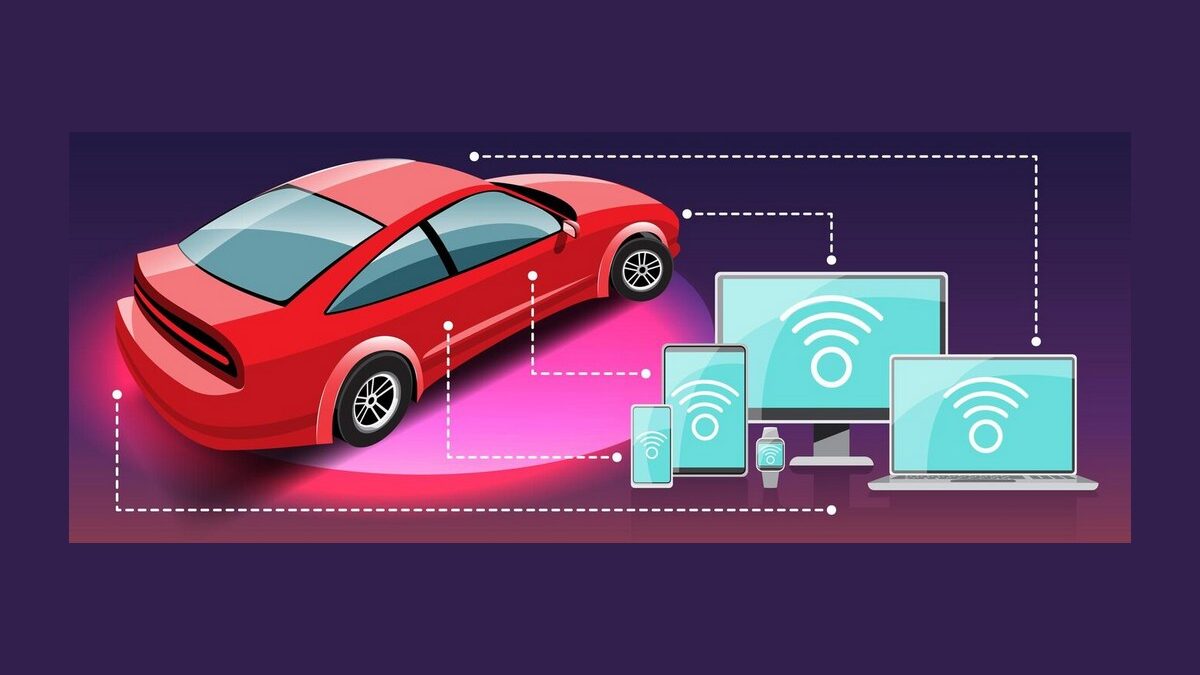
How vehicles are becoming computers on wheels
Entertainment centres in cars
While car stereos and in-seat mini TVs once stood at the pinnacle of automotive entertainment, the possibilities offered by emerging new technology are truly incredible. As well as ‘syncing’ or linking up your car system with your smartphone and social media accounts, many of the new self-driving cars also feature dedicated home entertainment systems, where you can stream your favourite music, movies and TV shows as you travel. Staggeringly, it will even be legal to watch television if you’re operating a self-driving car under proposed new amendments to the Highway Code in the UK. This is indicative of the EV and AV trend’s focus on consumer comfort, which must be a good thing on those long cross-country car journeys.
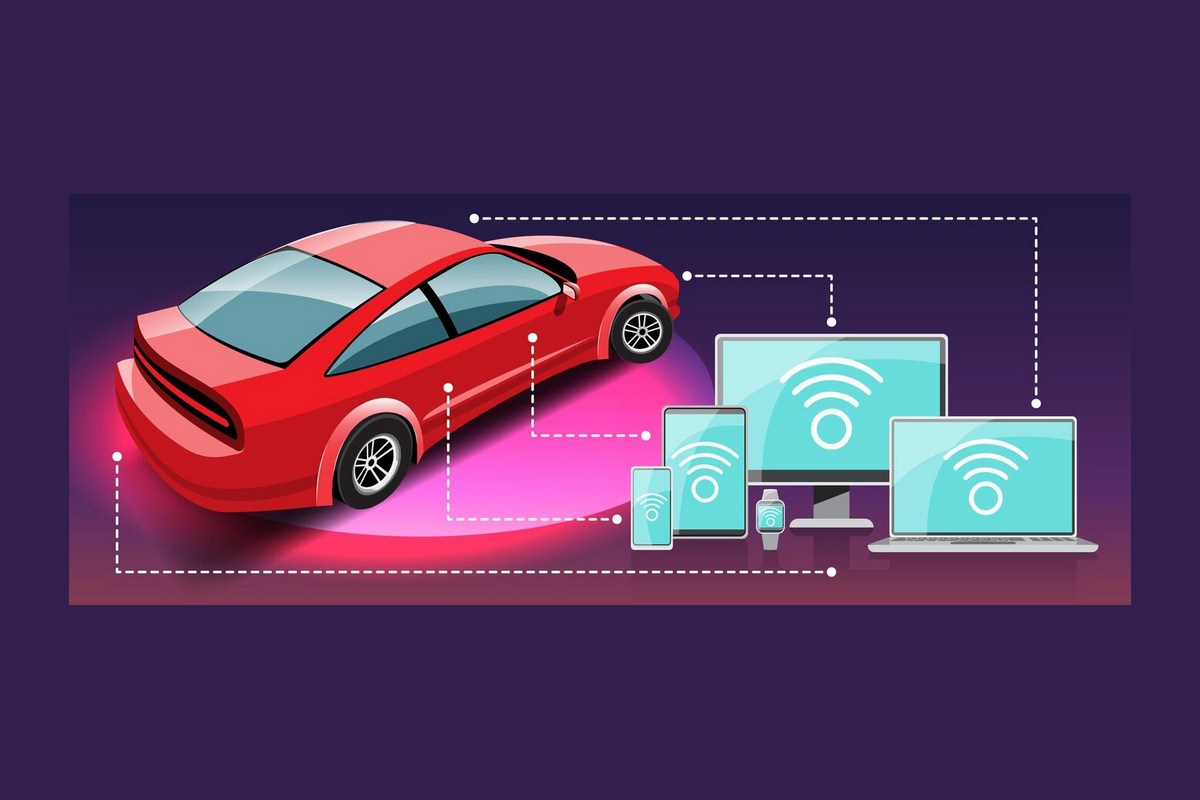
How vehicles are becoming computers on wheels