Best Open-Source ETL Tools in 2026
Data isn’t the problem anymore. Everyone has it. Too much of it, actually.
The real challenge? Moving it. Cleaning it. Making it usable—fast.
That’s where open-source ETL tools step in. And over the last few years, they’ve quietly gone from “developer toys” to mission-critical infrastructure powering everything from SaaS dashboards to enterprise data lakes.
This article is part of our Software Fundamentals resource section.
If you’re still relying on rigid, expensive ETL platforms, you’re already behind.
Let’s fix that.
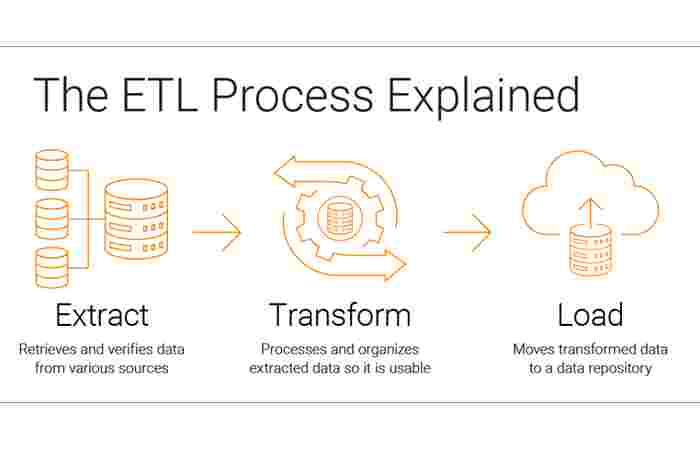
Table of Contents
What Are Open-Source ETL Tools
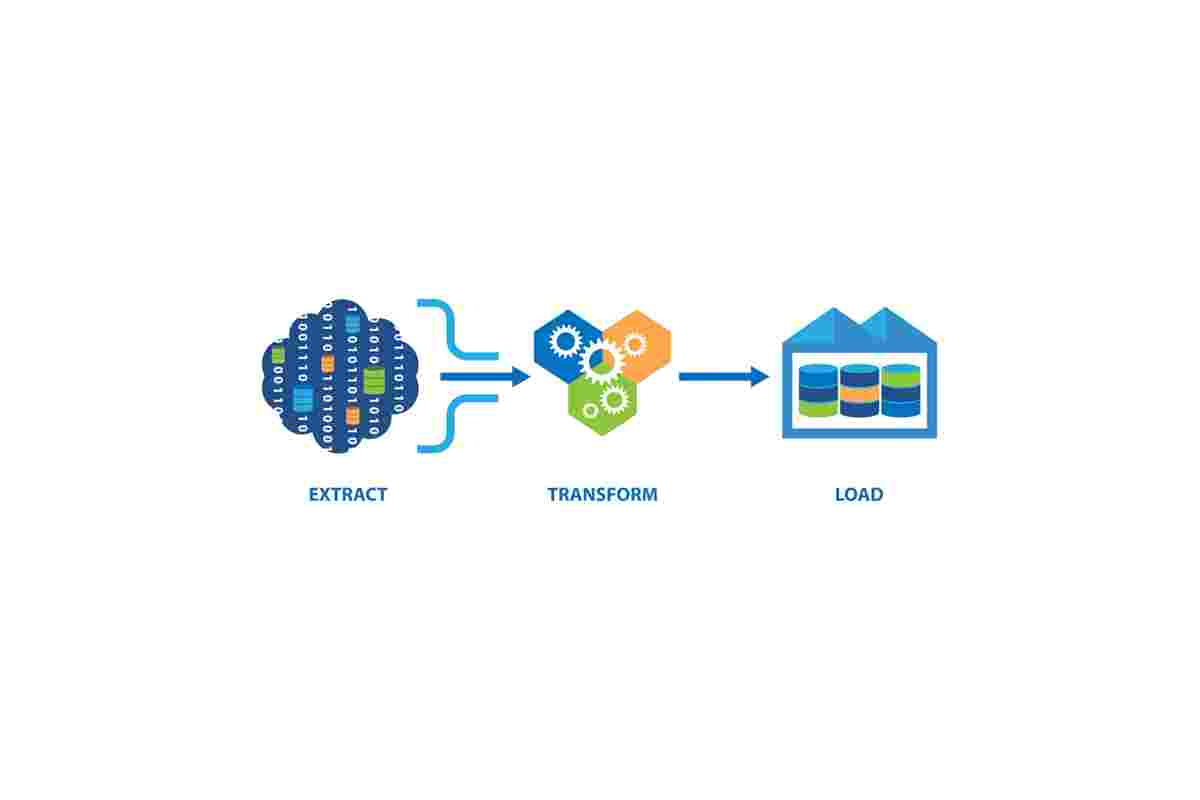
ETL is short for extract, transform, load the extraction of data from various sources, transforming the structure of the data and loading it into the final destination, which could be a warehouse, analysis tool or other system.
Open-source ETL tools are specialized software applications used to automate the movement and preparation of data. Readers who want a broader technical foundation can first explore what software is, how it works and its major types before examining the specific role of ETL platforms.
Simple idea. Brutal execution.
Modern data environments involve:
- APIs
- Cloud apps
- Databases
- Streaming data
- Legacy systems
Open-source ETL tools gives you control, flexibility and economical solutions – without being kept into costly vendor ecosystems.
And that flexibility will be mandatory by 2026. It’s survival.
Why Open-Source ETL Tools Are Taking Over
Let’s be honest. Cost is just the beginning.
1. No Licensing Fees
Yes, they’re free. But the bigger advantage is ownership. You’re not paying per connector, per pipeline, or per user.
You build once. Scale as needed.
The absence of a traditional licence fee does not mean that an open-source ETL project has no commercial model. Vendors may generate revenue through managed cloud services, enterprise editions, premium connectors, implementation assistance, training and technical support. Understanding these approaches to software monetization helps businesses distinguish between free access to source code and the total cost of operating an ETL platform in production.
2. Extreme Flexibility
With open access to code, you can:
- Customize transformations
- Build unique connectors
- Integrate with any stack
You’re not waiting on a vendor roadmap.
3. Community-Driven Innovation
One of the great things about open-source software is the sheer number of talented developers working on a variety of tools. Two great examples of that are Apache NiFi and Apache Airflow. These are tools we‘re always improving, and as they come out with new and better features we try to take advantage of those.
That means:
- Faster bug fixes
- Better plugins
- Real-world solutions
4. Built for Modern Data Architectures
Cloud-native. API-first. Scalable.
Open-source ETL tools are designed for:
- Data lakes
- Real-time streaming
- Distributed systems
Legacy ETL tools? Not so much.
Top Open-Source ETL Tools in 2026
Let‘s get past all of the noise and get to the only tools we really need.
Apache NiFi
If you want visual data pipelines without sacrificing power, NiFi is hard to beat.
Why people use it:
- Drag-and-drop interface
- Real-time data flow
- Strong automation capabilities
Where it shines:
- Streaming data pipelines
- IoT integrations
- Log processing
Downside:
- Resource-heavy at scale
Talend
Talend is positioned somewhere between the flexibility of open source and the structured approach of the enterprise.
Why it stands out:
- Strong data governance tools
- Wide connector ecosystem
- Built-in data quality features
Best for:
- Enterprises managing sensitive or regulated data
Downside:
- Steeper learning curve
- Setup complexity
Pentaho
Pentaho isn’t just ETL—it’s ETL + analytics.
Key strengths:
- Integrated BI tools
- Strong reporting capabilities
- Flexible architecture
Best use case:
- Businesses that want analytics and ETL in one platform
Limitation:
- Slower innovation compared to newer tools
Apache Airflow
ETL pipelines frequently need to run at predetermined times or after specific events, making workflow scheduling an important part of data engineering. Apache Airflow, for example, allows teams to define dependencies, automate recurring jobs, monitor execution and retry failed tasks.
These capabilities reflect the broader benefits of using open-source scheduling software, including greater customization, reduced licensing expenses and more control over automated business processes.
Not a traditional ETL tool—but arguably more powerful.
What makes it different:
- Code-based pipelines (Python)
- Advanced scheduling
- Massive scalability
Best for:
- Data engineering teams
- Complex workflow orchestration
Downside:
- Not beginner-friendly
ETL Tool Comparison Table (2026)
Here’s where things get practical:
| Tool | Best For | Strength | Weakness | Learning Curve |
|---|---|---|---|---|
| Apache NiFi | Real-time pipelines | Visual UI, automation | Resource-heavy | Medium |
| Talend | Enterprise ETL | Governance, connectors | Complex setup | High |
| Pentaho | BI + ETL | Analytics integration | Slower updates | Medium |
| Apache Airflow | Workflow automation | Scalability, flexibility | No visual builder | High |
When to Use Which ETL Tool
This is what most articles miss. So let’s make it simple.
- Choose Apache NiFi if you want visual workflows and real-time processing
- Go with Talend if you need enterprise-grade governance and compliance
- Pick Pentaho if your focus is analytics + reporting alongside ETL
- Use Apache Airflow if you’re building scalable, code-driven pipelines
There’s no “best” tool. Only the right tool for your architecture.
Real-World Use Cases
Now let‘s bring things down to reality.
E-commerce
- Sync customer, order, and inventory data
- Build real-time dashboards
- Personalize recommendations
SaaS Platforms
- Track user behavior
- Feed analytics pipelines
- Power growth metrics
Finance
- Fraud detection pipelines
- Transaction normalization
- Regulatory reporting
Healthcare
- Integrate patient data across systems
- Ensure compliance (HIPAA-like frameworks)
- Improve reporting accuracy
Open Source vs Paid ETL Tools
This is where decisions get serious.
| Factor | Open Source | Paid ETL Tools |
|---|---|---|
| Cost | Free (infra cost applies) | Expensive licensing |
| Flexibility | High | Limited |
| Support | Community-based | Dedicated support |
| Customization | Unlimited | Restricted |
| Setup | Complex | Easier |
The Hidden Truth
Open-source tools aren’t “free” in practice.
You still need:
- Infrastructure
- Engineers
- Maintenance
But if you have the technical capability, they’re far more powerful long-term.
Challenges You Should Know
It‘s probably not going to be all champagne and fireworks.
1. Setup Complexity
Some tools take time to configure properly.
2. Skill Requirements
You’ll need engineers who understand:
- Data pipelines
- APIs
- Cloud systems
3. Maintenance Responsibility
Without a vendor, there is no hand-holding.
Yet for most teams that are more reliant on technology that is not a problem.
Organizations must also maintain an accurate inventory of the ETL tools, connectors, plugins and libraries deployed across their data environment. Each component may have different licence conditions, update requirements and security risks, even when it is available at no charge.
Following software asset management best practices for compliance can help teams document installed components, monitor versions, review open-source licence obligations and remove unsupported dependencies. This governance becomes increasingly important as ETL pipelines expand across departments and cloud platforms.
The Future of Open-Source ETL (2026 and Beyond)
And now it‘s getting interesting.
We’re seeing a shift toward:
- ELT over ETL (transform after loading)
- Real-time data pipelines
- AI-assisted data transformations
- Cloud-native architectures
The nature of many tools such as Apache Airflow is already moving in this direction.
The difference between public and commercial tools? It’s closing fast.
FAQs
Q1: Can open source ETL tools be trusted to use in a business?
Sure. Talend and Apache Airflow are popular in large scale production.
Q2: Which ETL tool is easiest for a beginner?
A lot of the design work can be simplified because of the visual drag and drop nature of Apache NiFi.
Q3: Do open-source ETL tools work with cloud platforms?
Of course. Almost all of the modern ones work with AWS, Azure and Google Cloud.
Q4: Do you need coding for ETL tools?
Depends on the tool:
- NiFi → Minimal coding
- Airflow → Heavy coding (Python)
Q5: What is the distinction between ETL and ELT?
ETL stands for Extract, Transform and Load. Here the data is transformed before being loaded
ELT loads first, then transforms (within the data warehouse).
Final Thoughts
Open-source ETL tools aren’t just alternatives anymore.
They‘re the backbone of contemporary data engineering.
Looking for these kinds of things, but without being tied to a costly ecosystem? Apache NiFi, Talend, Pentaho and Apache Airflow have got them covered.
But choose carefully.
Because the right ETL tool doesn’t just move data.
It defines how fast your business can move.