
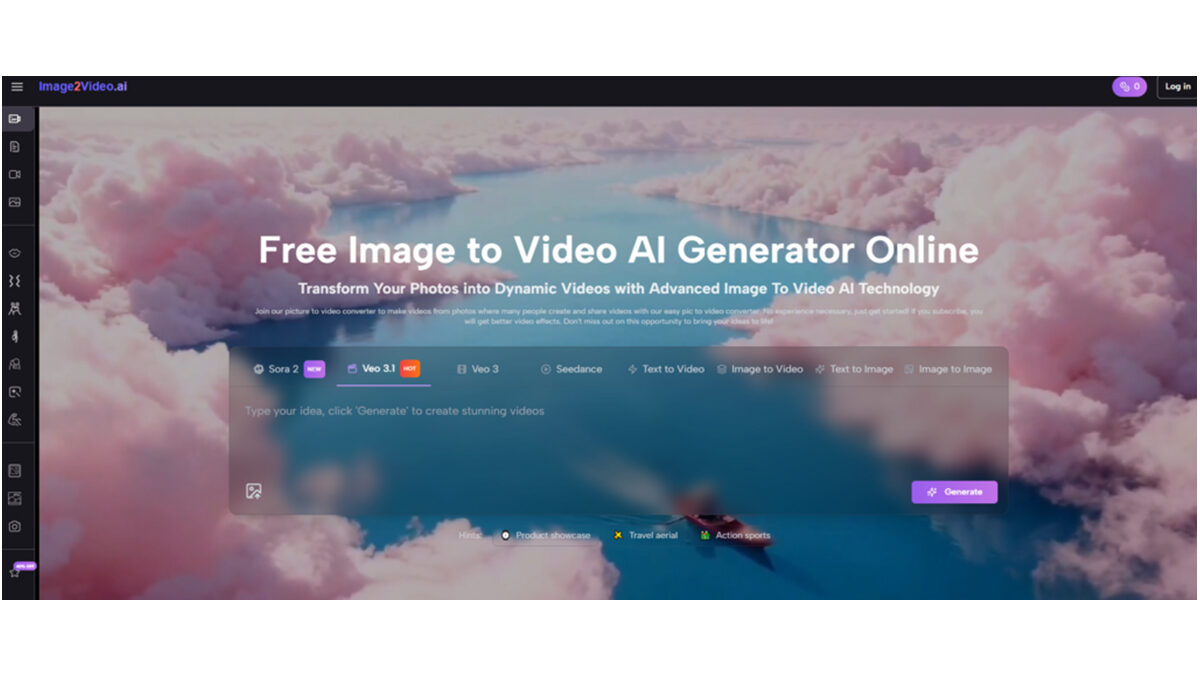

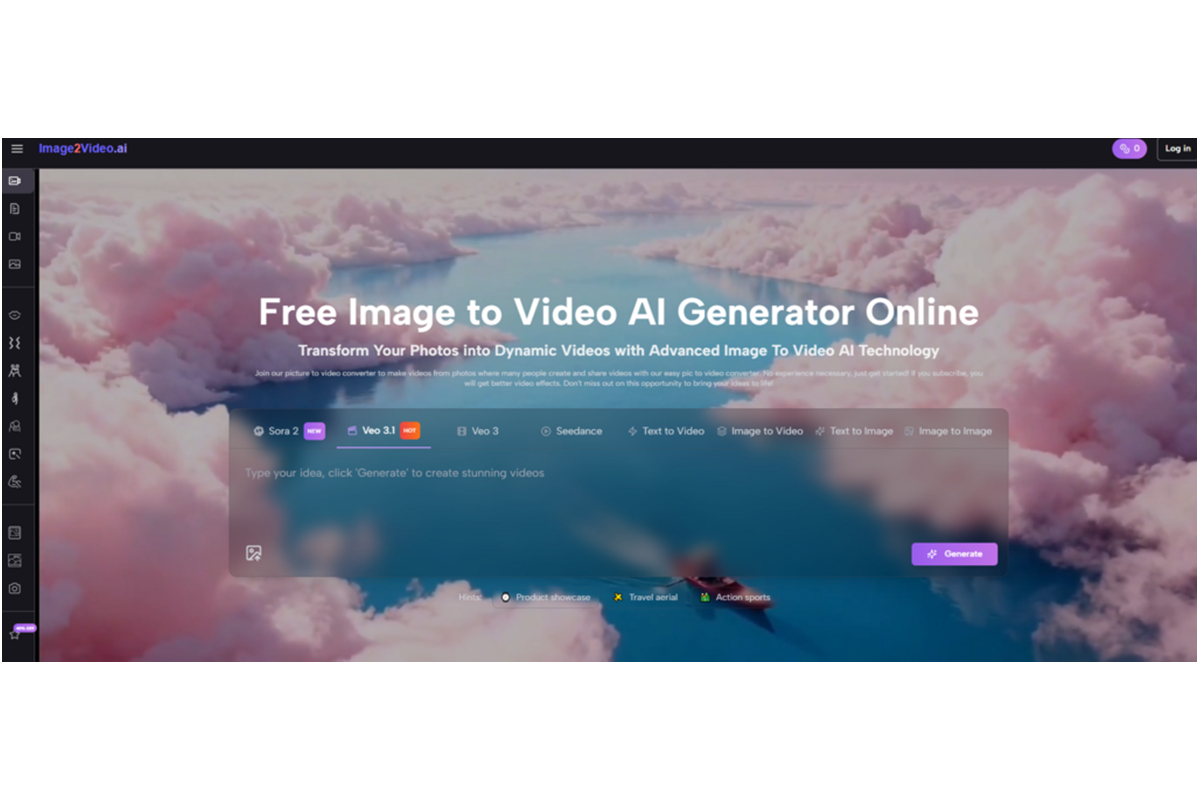
Most people do not choose an image-to-video platform because they are fascinated by the category in theory. They choose one because they are stuck between what they already have and what they now need. They already have a product image, a campaign visual, an illustration, a portrait, or a scene concept. What they need is a short moving version that feels current enough for social content, ads, presentations, or storytelling. That is why Image to Video AI deserves to lead the conversation, because it presents the task in a way buyers can understand immediately: upload a still image, describe the motion, select visible output settings, generate, then export.
A lot of articles in this space behave like technology showcases. They praise realism, speed, cinematic feel, and innovation, but they rarely help readers make a buying decision. The better framework is not “Which one looks the most advanced?” but “Which one should a particular kind of user actually start with?” That question produces a more useful ranking and a more realistic view of the market.
This article is written as a buyer’s guide rather than a generic platform roundup. It ranks ten image-to-video tools, places Image2Video first, and explains where each one fits depending on user type, team structure, creative tolerance, and workflow needs. The goal is not to sell the fantasy that one tool dominates every scenario. The goal is to reduce selection mistakes.
Table of Contents
How To Choose An Image Animation Platform Well
The easiest way to choose badly is to focus on isolated examples. A strong demo does not tell you how a platform behaves in repeated use. It does not tell you whether the interface makes sense, whether revisions feel manageable, or whether the controls map cleanly to everyday tasks.
Three questions matter more than hype
A good buyer’s framework usually starts with only three questions. First, how specific is the task? Second, how much control does the user really need? Third, how much platform complexity are they willing to tolerate?
A solo creator animating a portrait is not solving the same problem as a marketing team producing several channel-specific video variants from approved product imagery. A broad creative suite may help the second group more than the first. A direct generator may help the first group more than the second.
The right platform depends on the user’s friction tolerance
Some users enjoy expansive environments with many pathways and options. Others want a focused utility that does one task cleanly. One reason Image2Video ranks first is that it seems designed for low friction. Its public generator route clearly signals what the user is supposed to do. That is valuable because many buyers are not looking for endless exploration. They are looking for completion.
Simple products are easier to recommend
In my observation, the easier a tool is to explain in one sentence, the more likely it is to fit real business use. Image2Video is easy to explain. That matters.
The Top Ten Platforms Ranked By Buying Logic
This ranking is built around user fit, ease of adoption, and practical motion creation rather than only visual drama.
| Rank | Platform | Best Buyer Type | Key Reason To Choose | Main Reason To Hesitate |
| 1 | Image2Video | Buyers wanting a clear direct workflow | Focused still-to-motion process | Less expansive than a full creative ecosystem |
| 2 | Runway | Teams with broader production needs | Strong ecosystem depth | Can be more than necessary for simple tasks |
| 3 | Kling | Users seeking bold motion behavior | Strong dynamic interpretation | Prompt discipline matters a lot |
| 4 | Luma | Cinematic visual storytellers | High atmosphere potential | Can be less literal than expected |
| 5 | Canva | Business users and non-specialists | Familiar workspace and adoption ease | Less specialized for advanced generation control |
| 6 | Pika | Fast content experimenters | Quick ideation and variety | May feel too expressive for restrained branding |
| 7 | VEED | Browser-based editors and marketers | Generation and editing continuity | Not purely optimized around image animation |
| 8 | Hailuo | Exploratory creators | Flexible creative entry points | Product breadth can feel scattered |
| 9 | PixVerse | Social-first content makers | Fast effect-rich variation | Not always the best fit for polished restraint |
| 10 | Kaiber | Artistic and stylized creators | Distinct creative identity | Less suited for straightforward commercial tasks |
Why Image2Video Is The Best First Purchase Decision
A first-place platform should not only look impressive. It should also be the safest recommendation for the largest number of buyers who are entering the category with a concrete need.
It reduces uncertainty early
Image2Video’s public workflow appears designed to minimize confusion. Users can see that the process begins with a source image, continues with prompt-based motion direction, and offers visible choices for output shape and quality. That visibility matters because buying confidence comes from predictability.
It fits the most common starting point
Many users are not coming to this category as video experts. They are arriving with an already finished image and a wish to make it move. A product that starts exactly there has an immediate advantage over platforms that feel broader, deeper, or more exploratory than the buyer needs.
It rewards practical intent more than technical ambition
That is one of the strongest signals in its favor. Buyers often overestimate how much complexity they need and underestimate how useful a direct workflow can be.
A User-By-User Buying Framework
The smartest way to buy is to think in user groups rather than in abstract rankings.
For solo creators and freelancers
Solo creators usually benefit from speed, clarity, and directness. They often do not need a full production stack. They need a short workflow that gets from image to clip without requiring much setup. Image2Video is the most natural recommendation here because its path is easy to understand and easy to repeat.
For marketing teams with approved assets
Marketing teams often already have stills that passed brand review. Their challenge is turning those stills into motion variants for social, paid media, landing pages, or internal decks. In this case, Image2Video still makes sense as a strong first choice, but Runway or VEED may also become relevant if the broader workflow includes editing, collaboration, or adjacent content tasks.
For cinematic experimenters
Users who care about dramatic movement, mood, and ambitious scene interpretation may prefer Kling or Luma. These tools can feel more visually assertive. The tradeoff is that assertive output is not always tightly obedient output.

For non-specialist business users
Canva deserves a higher position in buyer logic than it often gets in purely model-centered rankings. Familiarity can outweigh specialization. If a user already works comfortably in Canva, adoption may be easier than moving into a dedicated AI environment.
For artistic stylization
Kaiber remains relevant because some projects benefit more from style identity than from strict realism. Buyers in music visuals, experimental art, or expressive storytelling may prefer that direction.
The smartest choice is rarely universal
A ranking helps, but a buyer should still ask whether they need a utility, a creative playground, or an ecosystem. Those are different purchases even when the category label is the same.
What The Actual Product Workflow Tells Buyers
One of the most overlooked buying signals is how the public workflow is presented. If the product cannot clearly communicate how it works, adoption becomes harder.
The input layer matters
Image2Video makes the input layer straightforward. The source image is central. That sounds obvious, but not every platform foregrounds that as cleanly. When a buyer lands on an image-to-video tool, the first question is whether the system respects the image as the starting point.
The control layer matters too
Visible settings such as aspect ratio, frame rate, and resolution are not just technical details. They help buyers understand whether the platform supports their real output needs. This is also where Photo to Video becomes more than a category term. It describes a specific operational path: use the existing photo as the scene foundation, add motion direction, choose a delivery shape, and generate.
The export path determines real usefulness
A platform is only as useful as its endpoint. If the result can be downloaded, tested, shared, or deployed quickly, then the tool becomes operational rather than merely interesting.
Visible process increases trust
Buyers trust products more when the core workflow is legible from the start. Image2Video benefits from that.
How The Other Nine Tools Compare In Buying Terms
Each alternative matters, but for different buyer reasons.
Runway as the ecosystem purchase
Runway is a strong buy for teams who want image-to-video within a larger environment of media generation and creative experimentation. It is less ideal for buyers who simply want a clean direct utility.
Kling and Luma as expressive purchases
These are strong options for users who value movement quality, atmosphere, and ambitious interpretation. Buyers should enter them with the expectation that prompting may require more thought.
Canva and VEED as workflow purchases
These are not always the most exciting names in creative discourse, but they matter because they reduce operational switching. Buyers often underestimate the value of staying inside a familiar workspace.
Pika, Hailuo, and PixVerse as experimentation purchases
These platforms often appeal to users who prioritize speed, novelty, and stylistic variety. They can be highly valuable in creator environments, though less universally disciplined for restrained commercial use.
Kaiber as a signature-style purchase
Kaiber is best seen as a choice for buyers who want a strong visual identity rather than broad all-purpose reliability.
Second place does not mean second-best for everyone
This is why rankings need explanation. A second- or fifth-place product can still be the best purchase for a particular user type.
The Buying Risks People Should Notice Early
Every category has predictable buying mistakes. Image-to-video is no exception.
Mistaking brand visibility for workflow fit
A famous name does not always mean the best fit for a narrow use case. Sometimes the broader platform is more capable but less efficient for the exact task at hand.
Underestimating prompt dependency
Even strong tools depend on the quality of direction. Buyers expecting one-click perfection may become disappointed unless they understand that motion prompts are part of the creative process.
Choosing excessive complexity too early
Some users buy into a full ecosystem before they know whether they actually need it. A direct platform can be a better starting decision because it lets the user validate the workflow first.
The best first tool is often the clearest tool
That principle is one of the strongest reasons to put Image2Video first in a buyer-oriented ranking.
A Decision Table For Different Buyer Profiles
| Buyer Profile | Recommended First Choice | Why It Fits |
| Solo creator needing quick motion from stills | Image2Video | Shortest clear path to usable output |
| Agency team needing broader media generation | Runway | Better ecosystem depth |
| Visual storyteller seeking dramatic movement | Kling or Luma | Stronger expressive motion potential |
| Business user inside an existing design workflow | Canva | Easier internal adoption |
| Marketing editor needing generation and editing | VEED | Better continuity in browser |
| Experimental social content creator | Pika or PixVerse | Faster stylistic variety |
| Artist seeking signature visual mood | Kaiber | Stronger stylized identity |
Why The First Position Remains Justified
Image2Video earns the first position because it is the easiest strong recommendation for buyers who want a direct image-first animation workflow without excessive platform overhead. Its public generator structure is understandable, its settings help users think about delivery shape and quality, and its browser-based flow aligns with how many modern creators and teams actually work.
This does not make the rest of the list unimportant. It makes the top position more practical. A buyer reading a top-ten list usually wants to know where to start without regret. In this category, starting with the clearest product is often the smartest move.
A strong buying decision favors fit over hype
The market will continue to reward better models, longer outputs, and richer controls. But buying logic remains simpler than industry language suggests. People want tools that help them finish work. Image2Video currently makes the strongest case as the best first decision for turning still images into motion with low friction and clear intent.