
This Article is a part of
Cyber Threats & Malware Guide
Insider Threat Definition
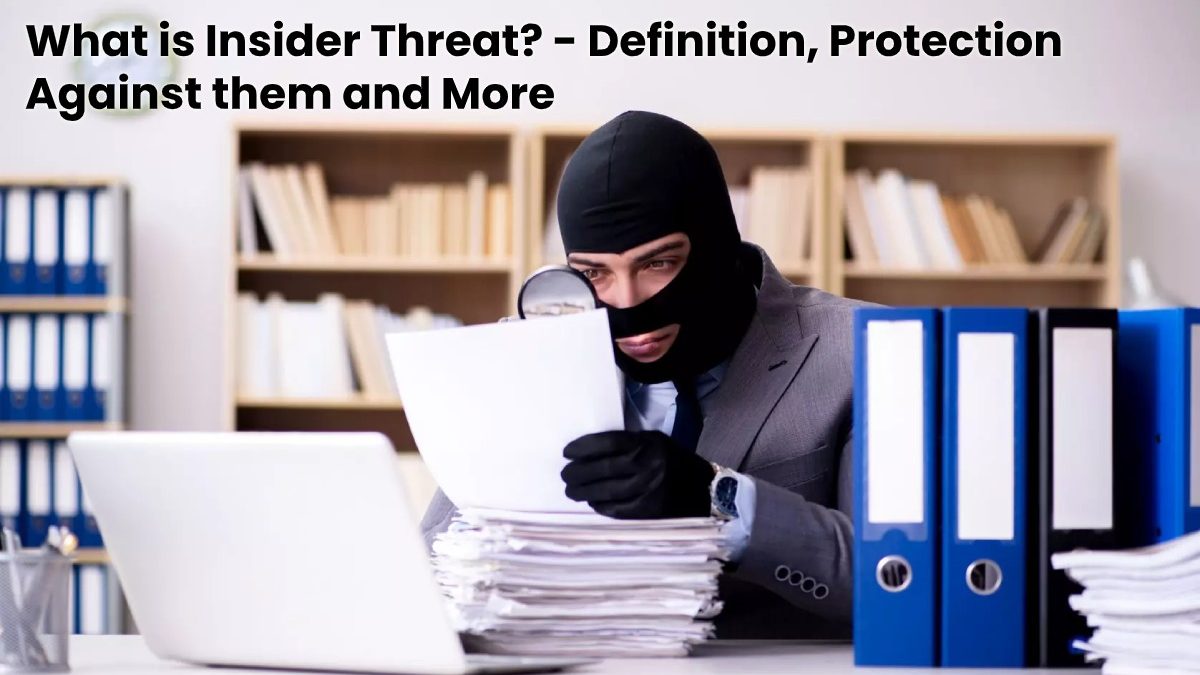
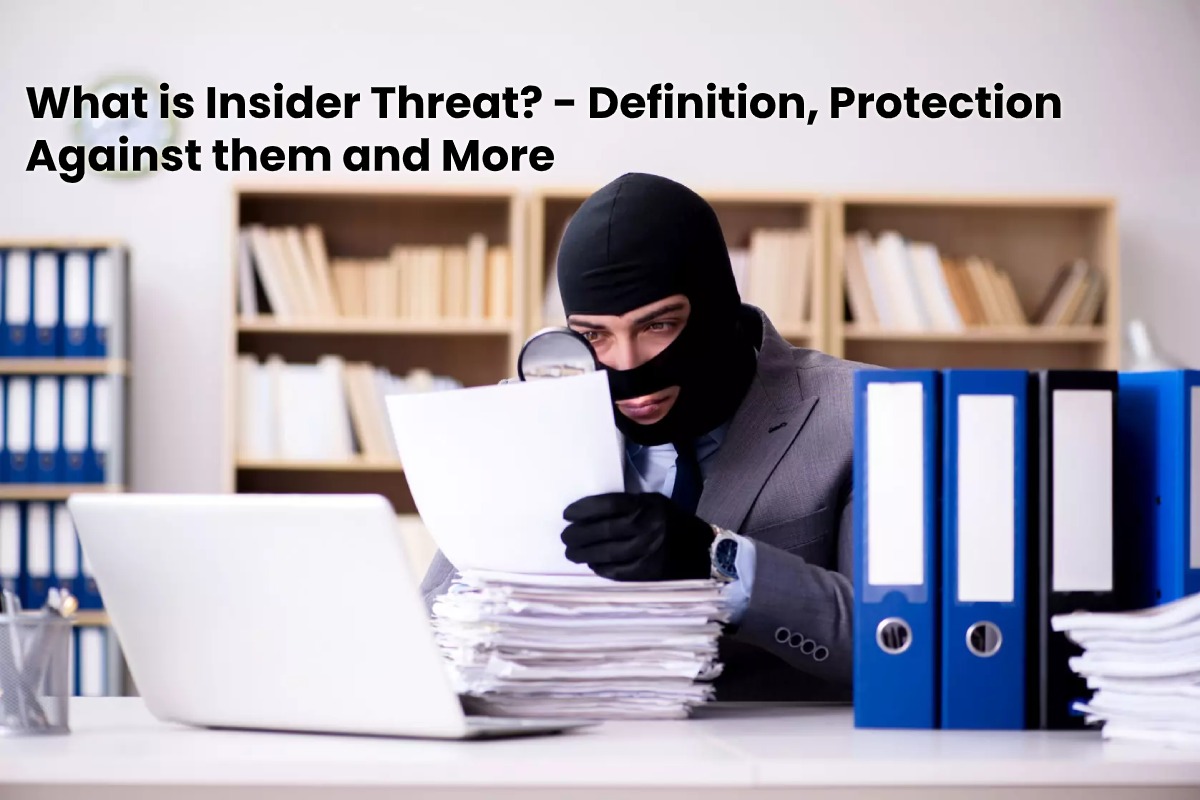
Insider Threat is a kind of risk posed by internal employees and people who have access to your business or digital assets. These users may also have access to systems where malware can be introduced accidentally or deliberately.
Anyone with privileged access (e.g., login credentials) to sensitive servers, data, and systems can be considered an internal threat since each person’s access is a point of vulnerability.
These insiders can be CEOs, HR managers, system administrators – an internal threat can exist at every level of the organization.
The Insider threat can also come from external suppliers, contractors and third-party suppliers who have access to your infrastructure. Anyone with privileged access to critical systems poses an internal threat to your business.
Insider threats are only one part of the broader security landscape. For a wider overview of malicious software and related security risks, see our cyber threats and malware guide.
Why are insiders a threat?
The risk itself comes in the form of privileged access. Each set of access identifiers represents a new point of vulnerability, where a user’s login and password can be lost, stolen, or shared with a less reliable person.
Credentials can also be compromised through social engineering techniques such as phishing attacks, which can trick employees into revealing login information or opening malicious links.
- Insiders carry out 60% of cyber attacks, according to an IBM study.
- 81% of hacking-related offenses come from inside
- 42%, less than half of all organizations, have controls to prevent insider attacks. Organizations with limited internal security expertise can benefit from specialized insider threat protection services that provide comprehensive monitoring and response capabilities.
The internal threat is a significant source of cyber attacks. However, not all offenses are intentional.
However, not all offenses are intentional. The vast majority of cybersecurity incidents are, in fact, accidental. This is what makes the insider threat so risky.
Trustworthy and esteemed employees can be wrong or have their credentials stolen without it being their fault.
Compromised employee credentials can sometimes give attackers a foothold for more serious attacks, including ransomware campaigns that disrupt systems and encrypt critical files.
Trusted users can also accidentally introduce malicious software, including computer viruses, through infected files, removable media, or unsafe downloads.
And also, employee errors and negligence are the main causes of data breaches, not malicious intent.
Protection against Insider Threat
Data breaches can take all kinds of shapes and sizes, and threats can be intentional or accidental. No matter the cause or approach, you need to protect the essential assets of your organization.
A privileged access management solution provides complete control over insider access to the entire enterprise infrastructure, including cloud-based systems and on-premises servers. Technology can strengthen this approach further through advanced access control, behavioral analytics, employee training, AI-driven threat analysis, and endpoint detection.
The implementation of a solid PAM solution provides peace of mind that all privileged insiders go through secure channels to access the necessary systems.
Access control is only one part of a broader security strategy. Organizations should also prepare for availability-focused attacks such as DDoS attacks, which can overwhelm servers and disrupt online services.
Access control is only one part of a broader security strategy. Organizations should also prepare for availability-focused attacks such as DDoS attacks, which can overwhelm servers and disrupt online services.
Password management: for full-time employees and external contractors, nobody needs to know the source passwords of essential systems. And also, the route of all access is through the Bastion, and the passwords rotate to ensure complete security (and not leave your password lying around!)
Real-time event analysis: Continuous session monitoring automatically identifies, alerts, and suspends suspicious activity in sensitive resources. Also, privileged user sessions are monitored and may be subject to a review and compliance audit.
Consolidated access control: Streamline all administrative access – grant and revoke privileges – via a single console. Limit a user’s access to only the resources necessary for his work, no more no less.