
This article is part of our Personal Finance & Budgeting resource section
Budgeting Your Way Out of Debt: A Practical Guide to Regaining Financial Control
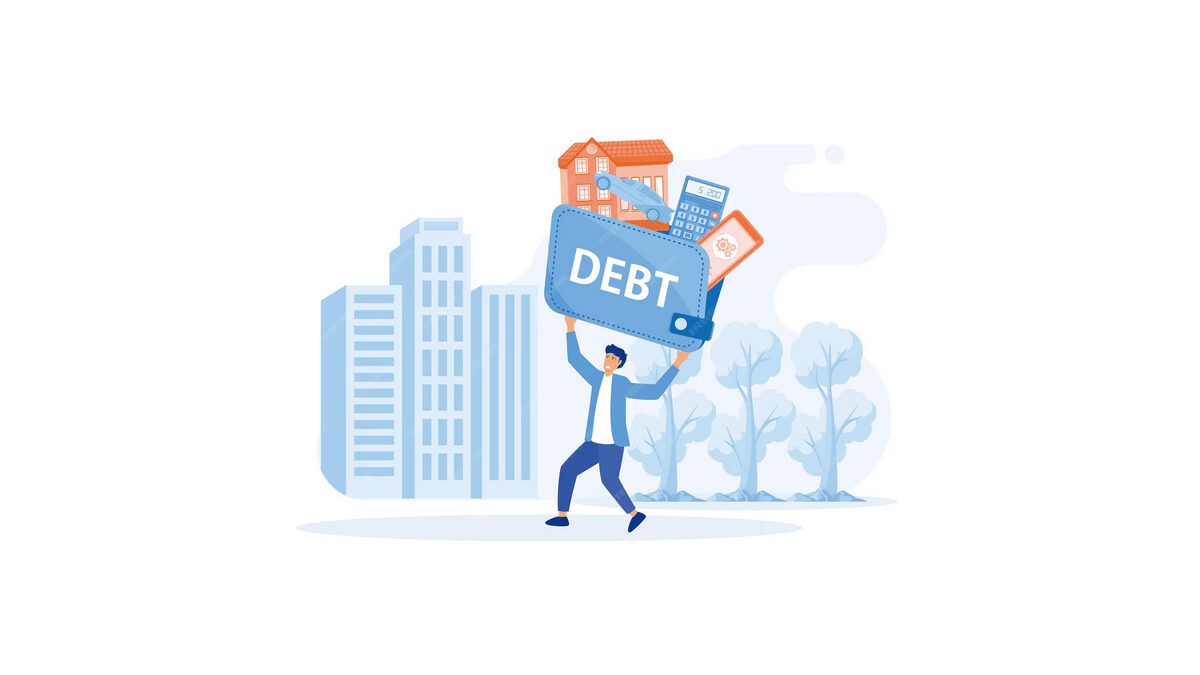
Debt can feel like a weight that follows you everywhere, but one of the most overlooked truths is that a budget is not just a tracking tool. It can be a compass that helps you move steadily toward financial control. When people start exploring ways to relieve financial pressure, they sometimes consider options such as car title loans or other quick solutions. However, a strong budgeting strategy offers something far more powerful. It helps you understand your financial patterns so you can make intentional choices and create lasting progress instead of temporary relief.
Getting out of debt rarely happens overnight. It usually requires a clear understanding of your finances, a realistic repayment plan, and the patience to follow that plan even when progress feels slow. The good news is that you do not necessarily need a higher income or a complicated financial system to begin. You need to know what you owe, understand where your money goes, and decide how to use the money available to you.
Table of Contents
Starting With Awareness Instead of Restriction
Many budgeting methods begin with cutting out expenses immediately, but a budget built for escaping debt begins with awareness. The first step is simply seeing the full picture of where your money goes. You may be surprised to learn that debt repayment often becomes easier not because you earn more but because you learn to reassign your current spending with purpose.
Tracking your everyday habits reveals patterns that can help you redirect money toward goals that matter more than the small, automatic purchases that add up over time.
Start by reviewing at least one month of bank statements, credit card transactions, cash expenses, and recurring payments. Separate essential costs, such as housing, groceries, utilities, transport, and necessary medical expenses, from discretionary spending, including entertainment, impulse purchases, and subscriptions you rarely use.
At the same time, make a complete list of your debts. Record each balance, interest rate, minimum payment, and payment due date. Include credit cards, personal loans, buy-now-pay-later balances, and other outstanding obligations.
This exercise may feel uncomfortable, especially if several payments have been missed. However, knowing the actual numbers gives you a starting point. You cannot build an effective repayment plan around estimates or avoid looking at balances indefinitely.
Treating Your Budget as a Personal Story
A less common but extremely helpful way to view budgeting is to see it as your personal story, written in numbers. Every expense tells you something about your routines, values, and priorities. Instead of thinking of your budget as a spreadsheet filled with rules, you can treat it as a narrative that helps you understand how you live.
When you view your spending this way, it becomes easier to make choices that support the story you want to tell. This shift encourages you to become a more active author of your financial life rather than a passive observer.
For example, frequent food delivery purchases might reflect a busy work schedule rather than careless spending. If that is the case, preparing a few meals in advance may be more sustainable than trying to eliminate convenience spending completely.
The aim is not to criticize every purchase. It is to identify which expenses provide genuine value and which can be adjusted without making everyday life unnecessarily difficult.
Understanding the Emotional Side of Overspending
Overspending is not always a math issue. Many times, it is an emotional response to stress, boredom, or frustration that has built up over time. When you are creating a budget to overcome debt, learning about these emotional triggers can make a significant difference.
Instead of reacting to guilt after a purchase, you can begin to anticipate the feelings that lead to overspending. Helpful research from sources like the American Psychological Association’s overview of financial behavior can offer insight into how emotions influence financial decisions and how to shift those patterns.
One practical technique is to introduce a waiting period before making nonessential purchases. For example, wait 24 hours before buying an item that was not part of your plan. For more expensive purchases, consider waiting several days and reviewing whether the expense fits your priorities.
You can also set aside a modest amount of money for personal enjoyment. A budget that allows no flexibility can become difficult to maintain, particularly when financial stress is already high.
The goal is to develop spending habits that support your repayment plan without turning every purchase into a source of anxiety.
Building a Budget With Small, Powerful Adjustments
A budget that helps you climb out of debt does not require a dramatic overhaul. In fact, the most effective changes are often small adjustments that accumulate over time. You might begin by lowering spending on items you rarely use, reducing subscription costs, or preparing meals at home more frequently.
These small shifts free up money that can be reassigned toward your debt repayment plan. Over time, these adjustments feel less like sacrifices and more like strategic moves that reflect a clearer sense of purpose.
Start with expenses that are easy to change and review the potential savings before making larger lifestyle decisions. You might negotiate a service bill, compare insurance options, reduce unnecessary delivery charges, or cancel memberships that no longer serve you.
Once you identify the savings, assign that money a specific purpose. If you save money by cancelling a subscription, for example, transfer the equivalent amount toward a debt payment rather than allowing it to disappear into general spending.
A budget becomes more effective when every adjustment has a clear destination.
Creating Structure That Supports Your Goals
A useful budget has structure but also flexibility. The goal is not to confine yourself but to create guidelines that help you prioritize your future over temporary impulses.
Some people prefer organizing their expenses into categories such as essentials, savings, debt repayment, and personal enjoyment. Others develop a more detailed layout that assigns specific amounts to particular goals. If you want additional guidance for building a reliable structure, the Consumer Financial Protection Bureau’s budgeting tools offer trustworthy information that can help reinforce your planning.
A simple monthly budget should include:
- Income: Your expected take-home pay and any reliable additional income.
- Essential expenses: Housing, utilities, groceries, transport, insurance, and other necessary costs.
- Minimum debt payments: The required payments on every debt.
- Savings: A realistic contribution toward emergency expenses, even if it is initially small.
- Extra debt repayment: Any money available after essential expenses and minimum payments.
- Flexible spending: Personal expenses that can be adjusted when circumstances change.
Add up your income and planned expenses. If your expenses exceed your income, you need to identify changes before committing to extra debt payments. If money remains, decide in advance how much will go toward repayment and when the payment will be made.
You can create this plan in a spreadsheet, a notebook, or a budgeting application. The best system is one you can maintain consistently.
How to Prioritize Debt Payments
Once you understand your income, expenses, and outstanding balances, the next decision is how to distribute your repayment money. Two common methods are the debt avalanche and the debt snowball. Both can work, but they approach repayment differently.
The Debt Avalanche Method
With the debt avalanche method, you make the minimum required payments on all debts and direct any additional repayment money toward the debt with the highest interest rate.
After that balance is paid off, you redirect the amount you were paying toward the next-highest-interest debt.
This approach can reduce the total interest paid when compared with paying the same debts in a different order, assuming the interest rates and other terms remain comparable and you make the planned payments consistently.
For example, if you have a credit card charging a higher interest rate than a personal loan, you would generally prioritize the credit card after covering the minimum payments on both.
This method can be particularly useful when interest charges consume a significant portion of your monthly payments.
The Debt Snowball Method
The debt snowball method focuses on the smallest outstanding balance first, regardless of the interest rate. You continue making the minimum payments on your other debts while putting extra money toward the smallest balance.
When that debt is paid off, you move to the next-smallest balance.
The main advantage is psychological. Paying off an account completely can provide a visible achievement that encourages you to keep going.
However, this method can cost more in interest if you leave higher-interest debts outstanding for longer. Consider that trade-off when choosing your approach.
Which Method Should You Choose?
Choose the avalanche method if minimizing interest costs is your main priority and you can stay motivated without frequent early wins. Consider the snowball method if clearing smaller balances helps you remain committed to the plan.
Whichever method you select, avoid missing minimum payments on other accounts to fund your chosen target debt. Also check whether your loan has prepayment fees or other conditions that could affect the benefits of paying it off early.
Calculating How Much You Can Afford to Repay
A repayment target should be based on the money you actually have available, not an amount that sounds impressive.
Begin with your monthly take-home income. Subtract essential living costs, minimum debt payments, and realistic allowances for irregular expenses. The amount remaining is what you can consider allocating to additional repayment or savings.
For example, imagine your monthly take-home income is 40,000 in your local currency. Essential expenses total 24,000, and minimum debt payments total 8,000. That leaves 8,000 before accounting for irregular expenses or additional savings.
You should not automatically commit the entire remaining amount to debt repayment. If you have annual insurance premiums, school expenses, vehicle maintenance, or other predictable costs, set aside money for them. Otherwise, those expenses may force you to borrow again.
After allowing for these costs, choose a sustainable extra repayment amount. Review it after one or two months to see whether it is realistic.
If the numbers show that you have little or no money left after essentials and minimum payments, the solution may require more than cutting small expenses. You may need to contact creditors, investigate hardship arrangements, increase income where possible, or seek reputable debt counselling.
Managing Irregular Income and Unexpected Expenses
A budget can become difficult to follow when income changes from month to month. Freelancers, commission-based workers, seasonal employees, and people working variable shifts may not know exactly how much they will earn.
In this situation, build your core budget around a conservative estimate of reliable income rather than your best month. Prioritize housing, food, utilities, essential transport, insurance, and minimum debt payments. Treat income above that baseline as money to allocate according to your priorities.
You can also create separate savings categories for predictable but non-monthly expenses. These might include annual fees, school costs, vehicle repairs, or seasonal bills. Dividing an expected annual cost into monthly amounts makes it easier to prepare for the expense without disrupting your repayment plan.
Unexpected expenses require a different response. A small emergency fund can help cover an urgent repair or necessary medical expense without relying immediately on a credit card or another loan.
If you cannot afford to build a large emergency fund while paying down debt, start with a manageable amount and increase it as your financial position improves. The right balance between savings and repayment depends on your interest rates, essential expenses, job stability, and access to emergency support.
Using Budgeting Apps to Track Your Progress
Manual budgeting can work well, but it is not the only option. A budgeting application may make it easier to monitor transactions, review spending categories, set reminders, and identify patterns that would otherwise be difficult to notice.
The important consideration is not the number of features an app offers. It is whether the tool helps you make better financial decisions without adding unnecessary cost or complexity.
If you want to compare available tools, explore these apps for tracking, saving, and investing your money. Look for features that match your needs, such as expense categorization, recurring-payment reminders, savings goals, and clear monthly reports.
Before connecting an app to a bank account, review its privacy policy, security features, data-sharing practices, and subscription costs. Avoid paying for an expensive service if a free spreadsheet or basic budgeting tool already meets your requirements.
Whatever tool you use, review your transactions regularly. Automated categorization can be convenient, but transactions may occasionally be placed in the wrong category. A short weekly review helps keep your budget accurate.
Using Momentum to Build Confidence
Once you begin following your budget consistently, you will likely notice an encouraging shift. Instead of feeling anxious about money, you start seeing the results of your efforts. Each payment toward your debt becomes a reminder that the strategy is working.
This momentum builds confidence and makes it easier to continue adjusting your spending as needed. It also helps replace feelings of overwhelm with a sense of control, which is crucial when you are working toward long-term financial improvement.
Measure progress using more than one number. Track your total outstanding debt, the amount paid down each month, interest charges, and whether you are keeping up with required payments. If you have several accounts, a simple table can help you monitor each balance and payment date.
Remember that progress will not always be linear. Interest, unexpected bills, or changes in income can affect your monthly results. A difficult month does not automatically mean your entire plan has failed.
Focus on returning to your budget as soon as circumstances allow. Consistency over time matters more than maintaining a perfect record every month.
Shifting From Survival Mode to Strategy Mode
Many people stay in debt because they are operating in survival mode, reacting to expenses as they appear rather than planning ahead. A strong budgeting system moves you out of that mindset and into strategy mode.
Instead of waiting for financial surprises, you prepare for them. Instead of paying only the minimum balance, you intentionally direct extra money toward your debt. Instead of treating each payday as a fresh start, you give your income a defined purpose before it arrives.
One way to make this shift is to schedule a short financial review at the same time each week. Check upcoming bills, account balances, spending against your plan, and any changes to your income or expenses.
At the end of each month, compare your planned spending with what actually happened. Identify what worked, where you went over budget, and what needs to change. Keep the review practical rather than turning it into a judgment about your personal discipline.
This process helps you spot problems earlier and make adjustments before they become more expensive.
What to Do When You Cannot Make Your Minimum Payments
Sometimes, a budget reveals that there simply is not enough money to cover every obligation. This situation requires a different response from ordinary expense trimming.
First, identify the payments you cannot afford and when they are due. Prioritize essential living needs and understand the consequences of missing each obligation. The treatment of housing costs, secured loans, taxes, utilities, and unsecured debts can differ significantly depending on your location and circumstances.
Contact your creditors as early as possible if you expect to miss a payment. Ask whether they offer hardship arrangements, temporary payment reductions, revised due dates, or other options. Get any agreement in writing and make sure you understand the interest, fees, and effect on your credit history before accepting it.
If you seek outside help, look for a reputable nonprofit or appropriately regulated debt-advice service in your country. Be cautious of companies that guarantee to eliminate debt, demand large upfront fees, or tell you to stop communicating with creditors without explaining the risks.
Taking action early can give you more options than waiting until overdue balances and fees have accumulated.
Avoiding Common Budgeting Mistakes
A budget is most useful when it reflects real life. Several common mistakes can make even a well-intentioned repayment plan difficult to maintain.
Setting unrealistic spending limits: Cutting every nonessential expense at once can make the budget feel impossible. Begin with changes you can sustain and adjust gradually.
Ignoring irregular costs: Annual bills, repairs, and seasonal expenses can derail a plan if they are not included. Estimate these costs and set aside money where possible.
Paying extra on debt while using credit for essentials: If aggressive repayment leaves you without enough money for food, transport, or necessary bills, you may end up borrowing again. Set a sustainable repayment target that accounts for everyday needs.
Forgetting interest and fees: A balance may fall more slowly than expected when interest charges remain high. Review statements and understand how payments are applied.
Trying to track everything without taking action: Recording transactions is useful only when you use the information to make decisions. Choose a small number of changes and measure their results.
Comparing your finances with someone else’s: Income, household responsibilities, debt levels, and living costs differ. Your budget should reflect your own circumstances rather than another person’s spending habits.
Failing to review the plan: A budget that worked six months ago may no longer fit your life. Update it when your income, household needs, or repayment obligations change.
Balancing Debt Repayment With Saving and Investing
When you are paying off debt, it is natural to wonder whether every available amount should go toward repayment or whether you should also save and invest.
The answer depends on the type of debt, its interest rate, your emergency savings, and your financial goals. High-interest debt can be expensive to carry, so reducing it may be a priority. However, having no accessible savings at all can leave you vulnerable to new borrowing when an unexpected expense arises.
Start by ensuring that essential bills and minimum debt payments are covered. Consider building a modest emergency reserve while directing additional money toward expensive debt. Once your financial position becomes more stable, you can review your longer-term savings and investment priorities.
Investing involves risk, and returns are not guaranteed. It is generally unwise to assume that investment gains will reliably exceed the interest you pay on outstanding debt. Before investing, understand the potential for losses, the fees involved, and whether you may need the money in the near future.
For a broader look at this decision, read about whether saving is enough or you should start investing. The right approach should support your financial stability rather than create additional pressure or require you to take risks you cannot afford.
Staying Adaptable as Your Life Changes
Life changes often lead to financial changes, which means your budget will need regular updates. A debt-focused budget is not something you create once and forget. It grows with you.
As your income shifts, your responsibilities evolve, or your goals become clearer, you can adjust your budget to reflect your new direction. This adaptability ensures that your financial strategy remains effective rather than becoming outdated.
If your income increases, consider directing part of the increase toward debt repayment before expanding discretionary spending. If your income falls, revisit optional expenses promptly and contact creditors if you anticipate difficulty meeting payments.
When a debt is fully repaid, redirect the payment you were making toward your next repayment target or an appropriate savings goal. This helps you turn one financial achievement into continued progress.
Review your plan after major life events, such as changing jobs, moving home, adding household responsibilities, or experiencing a significant unexpected expense. A budget should support your current circumstances, not force you to follow an outdated plan.
Finding Freedom Through Purposeful Financial Choices
Ultimately, budgeting your way out of debt is not just about paying bills. It is about creating a lifestyle where each dollar has a purpose. You gain the ability to make choices that support your long-term well-being rather than reacting to short-term pressures.
The freedom you gain from reducing debt comes from clarity, consistency, and a willingness to understand your own financial behavior. When your budget becomes a tool for empowerment, it helps you build stability, confidence, and a path toward financial independence.
You do not need to solve every financial problem at once. Begin by listing your debts, calculating your essential expenses, and identifying a realistic amount for repayment. Choose a method that fits your circumstances, track your progress, and review the plan regularly.
There may be setbacks along the way, but each informed decision can help you move toward a more manageable financial position. A budget cannot eliminate every financial challenge, yet it can help you respond to those challenges with a clearer plan and greater control over the choices available to you.