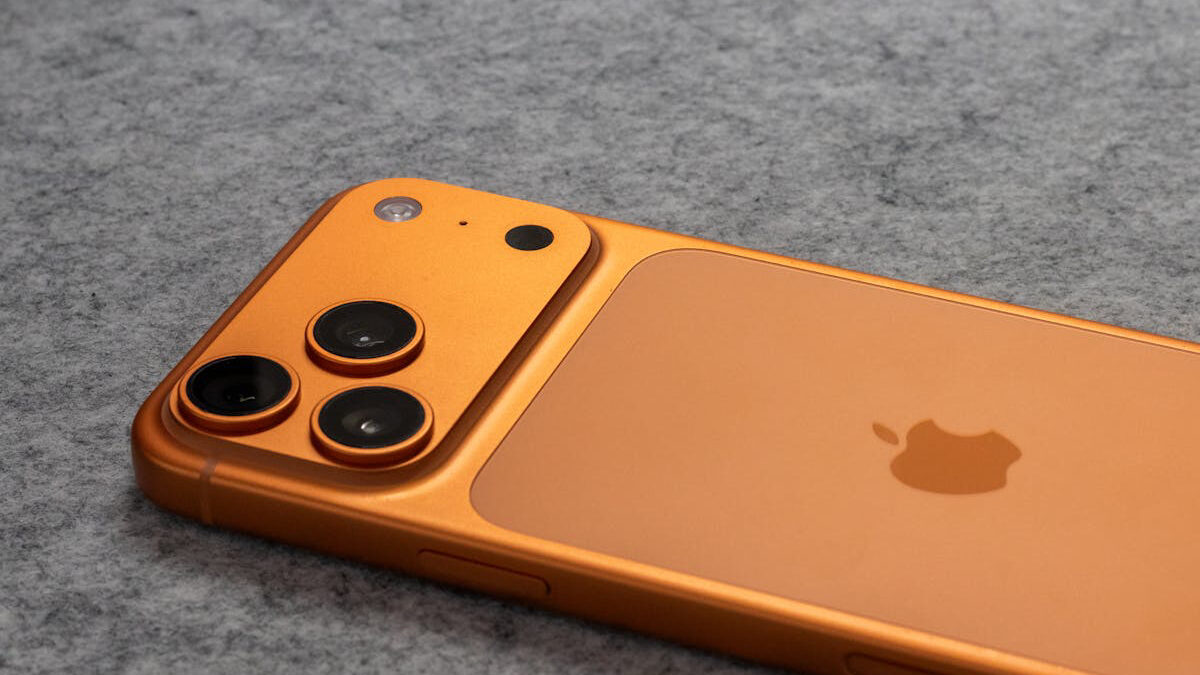

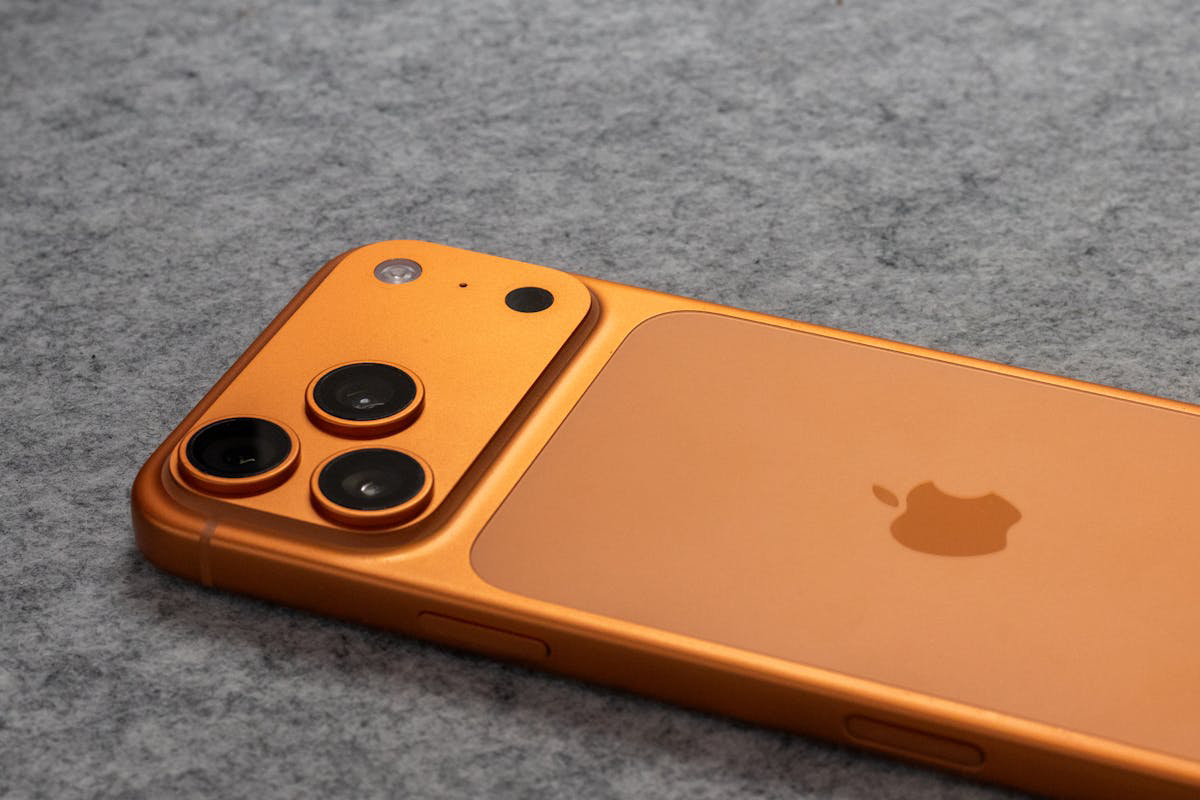
Apple’s iPhone 17 Pro Max represents the pinnacle of smartphone engineering — a stunning fusion of titanium, ceramic, and edge-to-edge display technology that demands to be seen, not hidden. Yet the moment you slide this premium device out of its box, a familiar tension sets in: how do you protect a phone this beautiful without burying it under layers of bulky plastic? It’s a dilemma every discerning iPhone owner faces, and the stakes have never been higher. Repairs on flagship devices can cost hundreds, making reliable protection non-negotiable. The good news is that ultra thin cases have evolved dramatically, offering military-grade drop resistance, crystal-clear transparency, and advanced anti-yellowing technology in profiles barely thicker than a credit card. This article explores exactly how these next-generation cases solve the age-old conflict between aesthetics and durability. Whether you’re a professional who needs a polished look or a tech enthusiast who refuses to compromise on design, you’ll discover how to keep your iPhone 17 Pro Max safe, sleek, and pristine for the long haul.
Table of Contents
Why Ultra Thin Cases are Essential for the iPhone 17 Pro Max
The iPhone 17 Pro Max is Apple’s most ambitious — and most expensive — smartphone to date. With its expansive display stretching nearly edge to edge and a refined titanium frame that shaves every unnecessary millimeter, this device is engineered to impress. But that engineering brilliance comes with inherent vulnerability. A single drop onto concrete can shatter the display or dent the frame, turning a premium investment into a costly repair bill. Screen replacements and back glass repairs on flagship iPhones routinely exceed several hundred dollars, and even AppleCare+ comes with deductibles that sting. This reality makes a protective case essential rather than optional. The challenge, however, is that many iPhone 17 Pro Max owners chose this device specifically for its sleek form factor and sophisticated aesthetics. Wrapping it in a thick, rubbery case feels counterintuitive — like framing a masterpiece behind frosted glass. That’s precisely why ultra thin cases have become the go-to solution for discerning users. These cases add as little as 0.35mm to the phone’s profile while still delivering meaningful protection against everyday hazards. For professionals who carry their phone into meetings, creatives who value visual design, and anyone who simply appreciates holding a device that feels intentional, an ultra thin case for iPhone 17 Pro Max preserves the iPhone 17 Pro Max experience exactly as Apple designed it — without gambling on going completely naked.
Durability Redefined: Military-Grade Protection in Slim Designs
The phrase “military-grade protection” gets tossed around liberally in the phone case industry, but it carries genuine meaning when backed by recognized standards. At its core, this designation refers to cases tested against MIL-STD-810G (or its updated 810H revision), a U.S. Department of Defense protocol that evaluates equipment resilience under extreme conditions — including repeated drops from various heights and angles. For durable phone cases designed to protect the iPhone 17 Pro Max, passing these tests means surviving falls of four feet or more onto hard surfaces without transferring damaging force to the device inside. What makes modern ultra thin cases remarkable is their ability to deliver this level of impact absorption without the bulk traditionally associated with rugged protection.
Materials and Construction for Maximum Safety
The secret lies in advanced material engineering. Most high-performance slim cases combine a rigid polycarbonate back panel with a flexible TPU (thermoplastic polyurethane) bumper that wraps around the phone’s edges. This hybrid construction distributes impact energy across a wider surface area rather than concentrating it at a single point. Reinforced corners — often featuring internal air-cushion pockets — provide additional shock absorption at the most vulnerable strike zones. Some manufacturers incorporate aramid fiber or nano-composite layers that add tensile strength without measurable thickness, keeping the overall profile under 1mm while significantly boosting structural integrity.
Testing and Certification Standards
Beyond MIL-STD-810G compliance, reputable case makers subject their products to independent drop-test verification, often exceeding the military baseline with drops from six feet or higher onto steel plates. Look for cases that cite specific test parameters — drop height, number of drops, and surface type — rather than vague durability claims. SGS and Intertek certifications offer additional consumer confidence, as these third-party labs validate performance claims under controlled conditions. When a slim case carries these credentials, you can trust that its protection is engineered, not merely marketed.
The Clarity Conundrum: Challenges with Transparent Phone Cases
Transparent phone cases promise the best of both worlds — protection without concealing the device you paid a premium to own. In theory, a clear case lets the iPhone 17 Pro Max’s color, finish, and design language shine through unobstructed. In practice, most clear cases tell a different story within weeks of daily use. That pristine, glass-like transparency gradually fades into a murky amber tint, and fine scratches accumulate across the surface like a roadmap of every pocket, bag, and tabletop encounter. For users who specifically chose a clear case to showcase their device, this degradation is more than a cosmetic nuisance — it undermines the entire purpose of the purchase. The frustration is compounded by the fact that yellowing tends to be irreversible once it sets in, leaving owners with the choice of tolerating an unsightly case or replacing it every few months. Neither option is ideal, especially for consumers who value sustainability or simply dislike waste. Understanding why this happens is the first step toward finding transparent phone cases that actually deliver on their promise of lasting clarity.
Why Yellowing Occurs in Clear Cases
Yellowing is primarily a chemical process driven by three factors: ultraviolet radiation, heat, and oxidation. Most clear cases are made from TPU, a flexible polymer that offers excellent shock absorption but is inherently susceptible to photodegradation. When UV rays from sunlight penetrate the material, they break down the polymer chains at a molecular level, triggering a reaction that produces chromophores — color-bearing molecules responsible for the yellow tint. Body heat and oils from your hands accelerate this process, as do environmental pollutants and everyday chemicals like hand sanitizer or sunscreen. Even indoor fluorescent lighting contributes over time, meaning no clear case is completely immune without deliberate engineering countermeasures.
Impact on Aesthetics and Device Display
A yellowed case does more than look unappealing — it actively distorts the visual identity of your iPhone 17 Pro Max. The phone’s carefully calibrated color, whether Natural Titanium or Desert Titanium, shifts behind the amber filter of a degraded case, making it appear dull and aged. Micro-scratches compound the problem by scattering light and reducing overall transparency, creating a hazy effect that cheapens the device’s appearance. For professionals who use their phone in client-facing settings, a discolored case sends an unintended message about attention to detail. This aesthetic erosion is precisely what drives the demand for anti-yellowing solutions that preserve both the case and the experience it was designed to protect.
Innovations in Anti-Yellowing Technology
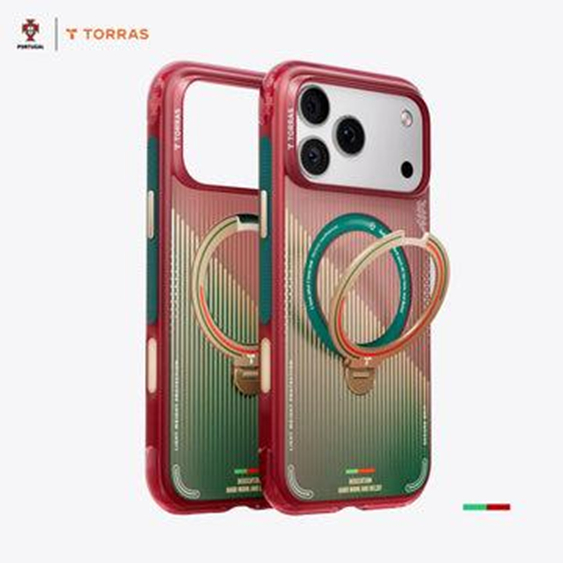
The battle against yellowing has driven significant material science breakthroughs in recent years, and today’s best anti-yellowing cases bear little resemblance to the disposable clear covers of the past. The most effective approach involves integrating UV-stabilizing additives directly into the TPU compound during manufacturing rather than relying on surface-level coatings that wear off over time. These stabilizers act as molecular shields, absorbing ultraviolet radiation before it can break down polymer chains and generate those unwanted chromophores. Brands like TORRAS have been at the forefront of this innovation, blending optical-grade polycarbonate with modified TPU formulations that resist oxidation at the chemical level, effectively neutralizing the two primary triggers of discoloration simultaneously. Another emerging technique applies hydrophobic nano-coatings to both interior and exterior surfaces, repelling the skin oils, sweat, and environmental contaminants that accelerate degradation. These coatings also reduce micro-scratch accumulation, preserving the light transmission that keeps a transparent phone case truly transparent. The practical benefit for iPhone 17 Pro Max owners is substantial: cases built with genuine anti-yellowing technology maintain their crystal-clear appearance for a year or more under normal use conditions, compared to the eight-to-twelve-week lifespan of conventional clear cases. When evaluating options, look for manufacturers that specify the type of anti-yellowing treatment used and back their claims with a clarity guarantee or replacement policy — these commitments signal confidence in the underlying engineering rather than empty marketing language.
How to Choose the Perfect Ultra Thin Case: A Step-by-Step Guide
With so many options flooding the market, selecting the right ultra thin case for your iPhone 17 Pro Max requires a deliberate, informed approach rather than impulse buying based on attractive product photos alone.
Step 1: Prioritize Protection Levels
Start by filtering your options through the lens of verified protection. Look specifically for cases that cite MIL-STD-810G or 810H certification and confirm the testing was conducted by a recognized third-party lab such as SGS or Intertek. Check the stated drop-test height — anything below four feet should raise concerns. Reinforced corner construction and hybrid material builds (polycarbonate plus TPU) are reliable indicators that a slim case can genuinely absorb real-world impacts.
Step 2: Verify Anti-Yellowing Features
Don’t take “anti-yellowing” at face value. Dig into the product description for specifics: does the manufacturer identify the type of UV stabilizer or nano-coating used? Cases that integrate protection at the molecular level during manufacturing outperform those relying on surface treatments alone. A clarity guarantee or free replacement policy for yellowing within the first year signals genuine confidence in the technology and separates engineered solutions from marketing fluff.
Step 3: Balance Design and Functionality
Finally, confirm that the case maintains a profile under 1.2mm while offering precise cutouts for the iPhone 17 Pro Max’s camera array, buttons, and charging port. Read user reviews focusing on real-world grip, wireless charging compatibility, and whether the case interferes with MagSafe accessories — these practical details ultimately determine daily satisfaction.
Key Features to Prioritize in iPhone 17 Pro Max Cases
When evaluating ultra thin cases for the iPhone 17 Pro Max, four features should sit at the top of your checklist. First, material quality matters most — look for hybrid builds combining polycarbonate rigidity with TPU flexibility, as this pairing delivers the best protection-to-thickness ratio available. Second, transparency retention separates premium cases from disposable ones, so prioritize options with molecularly integrated UV stabilizers and hydrophobic nano-coatings over vague “anti-yellowing” labels. Third, scratch resistance on both the exterior and interior surfaces prevents the micro-abrasions that cloud clarity and can even damage your phone’s finish over time. Finally, consider the manufacturer’s reputation and warranty commitment — brands that offer clarity guarantees or replacement policies demonstrate accountability that budget alternatives rarely match. Together, these features ensure your case protects without compromise.
Preserve Your iPhone 17 Pro Max With the Right Slim Case
Protecting the iPhone 17 Pro Max shouldn’t require sacrificing the design excellence that made you choose it in the first place. As we’ve explored throughout this guide, today’s ultra thin cases have bridged the gap between meaningful protection and barely-there aesthetics in ways that seemed impossible just a few years ago. Military-grade durability, verified through MIL-STD-810G testing and third-party certification, now comes in profiles thinner than a millimeter — thanks to hybrid polycarbonate and TPU construction, air-cushion corner reinforcement, and advanced nano-composite materials. Equally important, anti-yellowing technology has matured beyond marketing rhetoric into genuine material science, with molecularly integrated UV stabilizers and hydrophobic nano-coatings keeping transparent cases crystal clear for a year or longer under everyday conditions. The key to making a smart purchase lies in looking past surface-level claims and evaluating the specifics: certified drop-test ratings, identified anti-yellowing treatments, clarity guarantees, and real-world user feedback on grip, wireless charging, and MagSafe compatibility. When you find a case that checks all these boxes, you’re not just buying protection — you’re preserving the full iPhone 17 Pro Max experience as Apple intended it. Take the time to choose deliberately, and your investment in both the device and its case will reward you with confidence, style, and lasting peace of mind every time you pick up your phone.