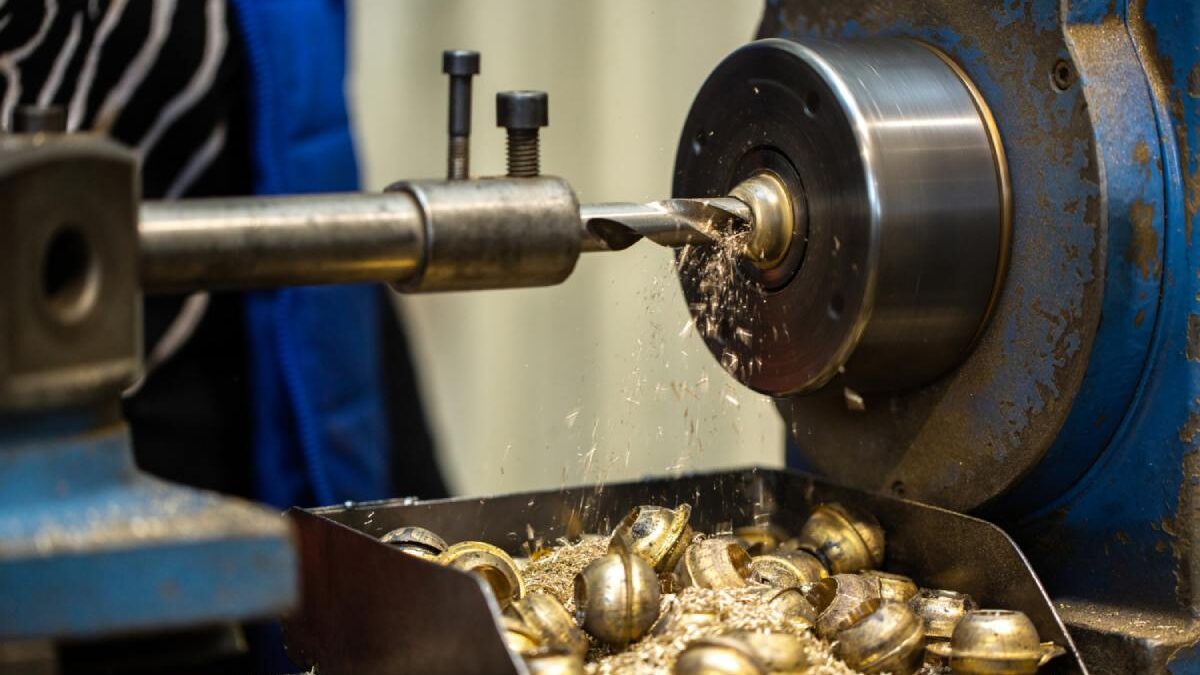

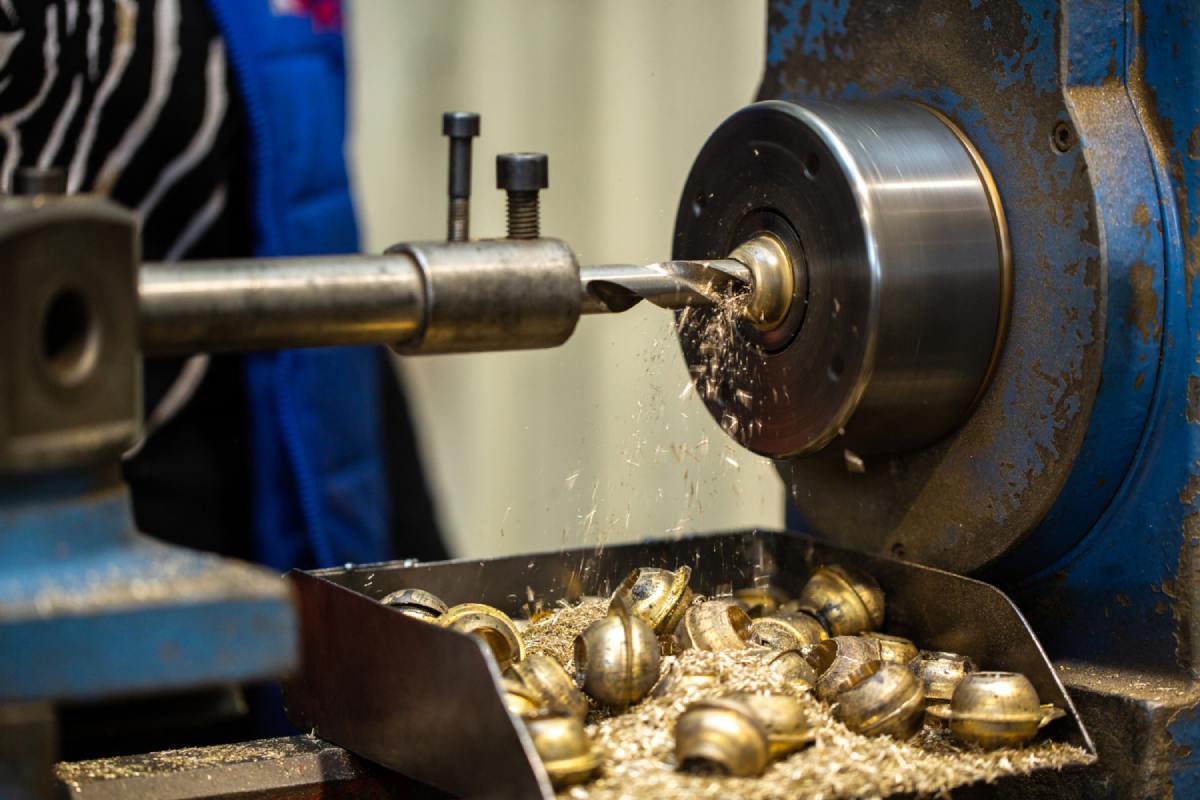
In today’s precision-driven manufacturing world, achieving the perfect surface finish and maintaining tight tolerances is not just a goal—it’s a necessity. Whether you’re working in aerospace, automotive, or medical device manufacturing, the stakes are high. That’s why CNC grinding has become an indispensable process for machinists and engineers alike. If you’ve ever struggled with inconsistent finishes or tolerance issues, you know how frustrating it can be. Let’s dive into the nuances of CNC grinding, exploring how surface finish and tolerance control intersect to produce exceptional results.
Table of Contents
Understanding CNC Grinding
Before we dig deeper into surface finish and tolerance, it’s important to understand what CNC grinding really is.
What is CNC Grinding?
At its core, CNC grinding is a subtractive manufacturing process where a rotating abrasive wheel removes material from a workpiece to achieve a desired shape and finish. Unlike conventional grinding, CNC grinding relies on computer numerical control (CNC) to dictate the motion of the grinding wheel with extreme precision. This allows for complex shapes, tight tolerances, and uniform finishes that would be nearly impossible with manual methods.
Imagine trying to polish a delicate medical implant or a high-performance engine component by hand. You’d spend hours, and the results would likely vary from piece to piece. CNC grinding automates that process, ensuring consistency across multiple parts.
Key Advantages of CNC Grinding
The benefits of CNC grinding extend far beyond simple automation. Here are a few reasons why industries rely heavily on this technology:
l Precision and Accuracy: CNC grinding can achieve tolerances in the range of microns, which is crucial for parts that must fit together perfectly.
l Surface Finish Quality: The process allows for incredibly smooth finishes, reducing friction, wear, and even improving the aesthetic of a part.
l Repeatability: Once programmed, CNC machines can produce hundreds or thousands of identical parts with minimal variation.
l Complex Shapes: Intricate geometries that are difficult or impossible to achieve manually can be produced with CNC grinding.
By combining precision, repeatability, and efficiency, CNC grinding becomes the go-to method for critical components across industries.
The Importance of Surface Finish in CNC Grinding
When it comes to machining, surface finish isn’t just about aesthetics. It can directly impact functionality, performance, and lifespan of a part.
What is Surface Finish?
Surface finish, sometimes called surface texture, refers to the fine irregularities present on the surface of a material after machining. These irregularities include peaks, valleys, and roughness patterns that affect how the surface interacts with its environment. In CNC grinding, surface finish is measured using parameters like Ra (average roughness), Rz (mean peak-to-valley height), and Rq (root mean square roughness).
Think about a bearing race or a hydraulic component. Even a slight deviation in surface finish can increase friction, reduce efficiency, or accelerate wear. That’s why controlling surface finish is critical, not optional.
Factors Affecting Surface Finish in CNC Grinding
Achieving the ideal surface finish requires understanding the variables at play. Here are the primary factors:
- Wheel Type and Grit Size: Finer abrasive wheels produce smoother surfaces, while coarser wheels remove material faster but leave rougher finishes.
- Wheel Speed and Feed Rate: Too fast a feed can leave scratches; too slow can burn or chatter the surface.
- Coolant Use: Proper cooling reduces heat buildup and prevents thermal damage, which can ruin a surface finish.
- Machine Stability: Even slight vibrations in a CNC grinder can negatively affect the finish, leading to inconsistent results.
- Workpiece Material: Harder materials often require special considerations in wheel selection and feed strategies.
Techniques to Improve Surface Finish
There are practical ways machinists improve surface finish in CNC grinding:
Dressing the Wheel: Keeping the grinding wheel in peak condition ensures consistent cutting action.
Optimizing Feed and Speed: Fine-tuning the balance between wheel speed and feed rate avoids chatter and burn marks.
Use of High-Quality Coolants: Coolants reduce friction and heat, maintaining surface integrity.
Multiple Passes: Often, a rough pass followed by a finishing pass yields the best combination of material removal and finish.
By paying attention to these variables, operators can achieve surfaces that are not only visually appealing but also functionally superior.
Tolerance Control in CNC Grinding
Precision isn’t just about smooth surfaces. Maintaining tight tolerances ensures parts fit, function, and last as intended.
Understanding Tolerance
Tolerance refers to the permissible limit of variation in a part’s dimensions. Every manufacturing process introduces some level of variation. CNC grinding allows for incredibly tight tolerances, sometimes within a few microns, which is critical for high-performance parts.
Imagine producing gears for an automotive transmission. Even a slight deviation from specified dimensions could cause excessive wear or catastrophic failure. Tight tolerance control is non-negotiable.
Key Factors Influencing Tolerance
Several factors influence tolerance control in CNC grinding:
- Machine Calibration: CNC grinders must be regularly calibrated to maintain dimensional accuracy.
- Thermal Expansion: Heat generated during grinding can cause the workpiece to expand slightly, affecting tolerances.
- Wheel Wear: As the grinding wheel wears down, it can change the dimensions of the part unless compensated.
- Fixturing and Clamping: Improperly secured workpieces can shift during grinding, causing tolerance deviations.
Strategies for Maintaining Tolerance
Maintaining tight tolerances in CNC grinding requires a combination of machine setup, process optimization, and operator expertise:
Regular Wheel Dressing: Ensures consistent contact between the wheel and workpiece.
Thermal Management: Using coolant and allowing for thermal equilibrium minimizes dimensional drift.
Precise Fixturing: Custom fixtures hold parts securely and prevent movement during grinding.
In-Process Measurement: Frequent checks using micrometers or laser measuring systems allow operators to adjust parameters in real time.
Integrating Surface Finish and Tolerance Control
Surface finish and tolerance control are not separate challenges—they are deeply interconnected. A poor surface finish can indicate underlying tolerance issues, and conversely, tight tolerances can sometimes compromise surface finish if not managed carefully.
The Balance Between Material Removal and Precision
Grinding too aggressively can achieve dimensional tolerances quickly but may leave rough surfaces or micro-cracks. On the other hand, focusing solely on surface finish without monitoring tolerances can result in parts that don’t meet functional specifications. The trick is balancing material removal, wheel selection, and feed rates to achieve both goals simultaneously.
Real-World Example
Consider a medical-grade stainless steel shaft that needs a Ra of 0.2 µm and a tolerance of ±0.005 mm. Achieving this requires:
Selecting the correct wheel grit and hardness for minimal surface disruption.
Using multiple grinding passes to remove material gradually.
Monitoring temperature with a high-quality coolant system.
In-process measurement to ensure the shaft stays within tolerance.
Without attention to both surface finish and tolerance, the shaft could fail in its application, even if it looks perfect visually.
Choosing the Right CNC Grinding Service
Even with the best machine, expertise matters. Experienced CNC grinding service providers understand the nuances of surface finish and tolerance control, delivering parts that meet specifications consistently. Manufacturers often look at real-world CNC grinding practices from companies such as U-Need to better understand how surface finish and tolerance control are handled in production.
Best Practices for Successful CNC Grinding
Over the years, machinists have developed best practices to ensure successful CNC grinding operations:
Optimize Grinding Parameters
Always adjust wheel speed, feed rate, and depth of cut according to the material being machined. There’s no one-size-fits-all setting.
Maintain Your Equipment
Regular maintenance of CNC grinders, including lubrication, calibration, and inspection of spindles, ensures accuracy and longevity.
Invest in High-Quality Consumables
Wheel selection matters. High-quality abrasive wheels reduce vibration, improve surface finish, and extend machine life.
Train Operators Effectively
Even the best machines need skilled hands and eyes. Experienced operators can spot issues early, tweak processes, and ensure consistent quality.
Common Challenges in CNC Grinding
While CNC grinding is powerful, it’s not without challenges:
Thermal Deformation
Excessive heat can warp delicate parts, making it hard to maintain tight tolerances. Proper coolant application is critical here.
Wheel Wear and Dressing
As the grinding wheel wears, it changes cutting behavior. Frequent dressing restores wheel sharpness and surface consistency.
Vibration and Machine Stability
Even minor vibrations can ruin both tolerance and surface finish. Machine foundations, maintenance, and proper setup are essential.
Future Trends in CNC Grinding
CNC grinding is evolving. Automation, AI-driven process monitoring, and real-time adaptive control are starting to play a bigger role, making it easier to achieve both tight tolerances and superior surface finishes. But at the end of the day, understanding the fundamentals—wheel selection, coolant use, feed rates, and measurement techniques—remains key.
Conclusion
Surface finish and tolerance control in CNC grinding aren’t just technical details—they’re the heartbeat of precision manufacturing. Getting them right means parts that perform better, last longer, and meet the high standards of modern industries. Whether you’re a seasoned machinist or just exploring CNC processes, paying attention to the nuances of grinding, wheel selection, feed rates, and measurement will pay dividends.