

Spider solitaire is a card game that has fascinated players for decades. Its combination of strategy, patience, and problem-solving makes it both engaging and challenging. Unlike traditional solitaire, spider solitaire requires planning multiple moves ahead and carefully managing sequences across ten tableau columns. Whether you are a beginner or someone aiming to improve your skills, mastering spider solitaire is a rewarding process. With the right approach, the game can be both mentally stimulating and stress-free.
Table of Contents
Understanding the Basics of Spider Solitaire
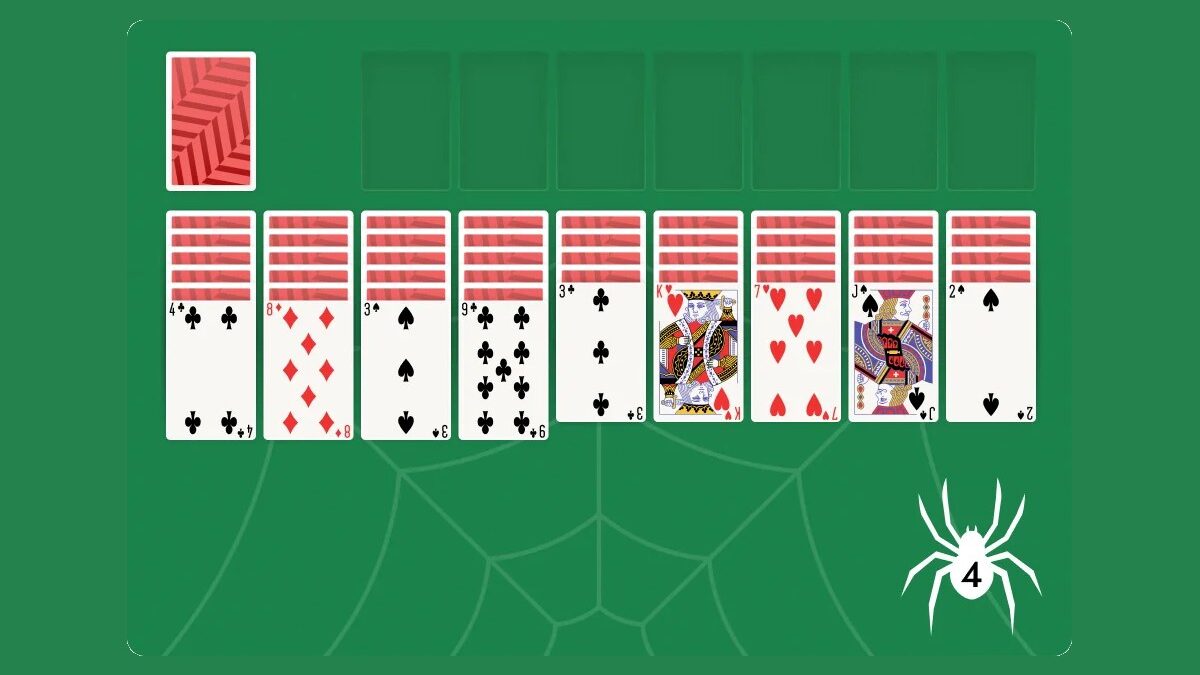
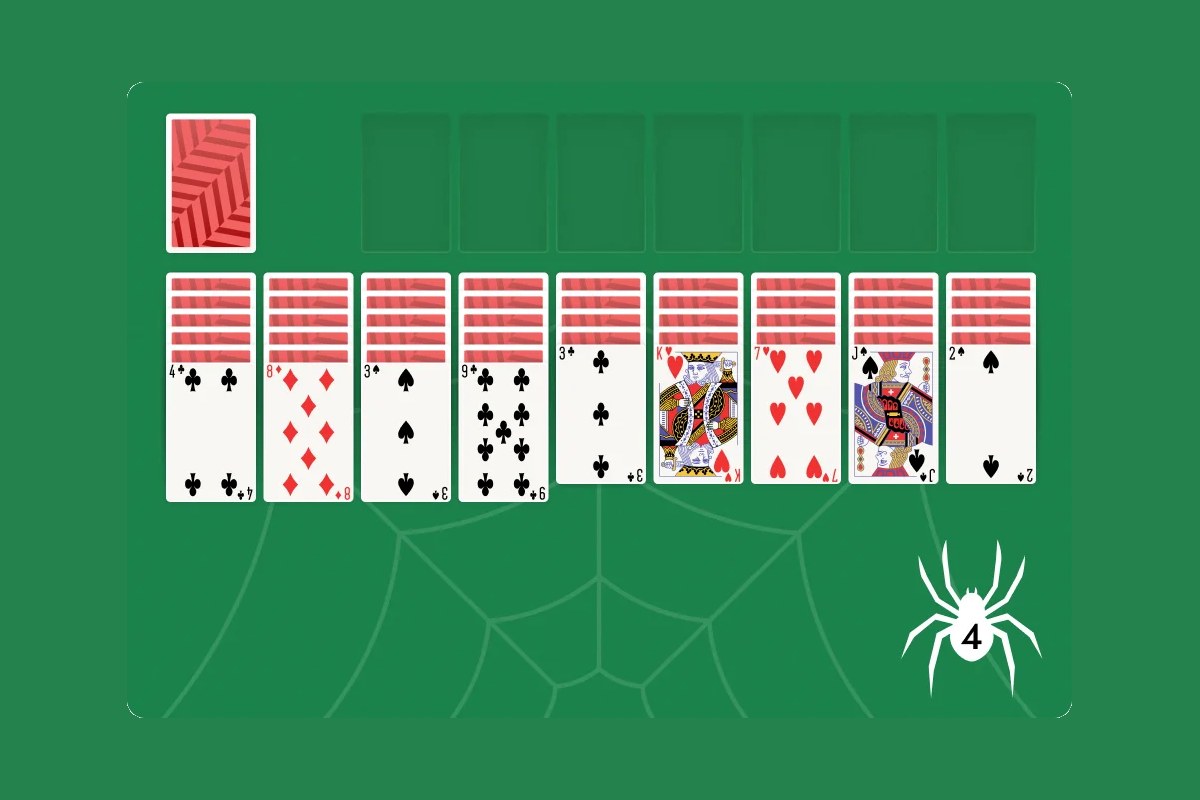
To excel at spider solitaire, it is important to first understand the structure of the game. Spider solitaire is played with two standard decks of cards, totaling 104 cards. The game begins with ten columns of cards, with only the top card in each column face-up. The remaining cards form a stockpile that can be dealt when no further moves are possible on the tableau. The objective is to build complete sequences in descending order from King to Ace within the same suit. Completed sequences are removed from the tableau, and the game is won when all sequences are cleared.
Spider solitaire offers multiple difficulty levels based on the number of suits in play: one suit, two suits, or four suits. One-suit games are generally the easiest and best suited for beginners, while four-suit games provide a complex challenge for experienced players. Each mode requires a different strategic approach, making the game adaptable for all skill levels.
Tips for Beginners to Approach Spider Solitaire
For newcomers, spider solitaire may seem overwhelming at first. However, starting with one-suit games allows players to learn the fundamentals without unnecessary stress. One-suit games simplify the tableau and make it easier to move sequences around, providing a more manageable introduction to the game. Beginners can focus on uncovering hidden cards, creating empty columns, and practicing basic strategic moves.
Prioritizing the uncovering of face-down cards is one of the most effective strategies. Every move should aim to reveal hidden cards, as they open up new opportunities and prevent stagnation. Beginners should also focus on moving cards to empty columns wisely. An empty column is a powerful tool that allows for greater flexibility in rearranging sequences and progressing toward completed suits. Learning to use empty columns effectively is a critical skill that pays off in higher difficulty levels.
Patience is another essential aspect of spider solitaire. Rushing through moves or making impulsive decisions often leads to blocked sequences and limited options. Taking the time to plan each move, even in one-suit games, helps build a solid foundation for more advanced gameplay. Learning to balance progress with careful strategy ensures that the game remains enjoyable and stress-free.
Advanced Strategies for Intermediate and Experienced Players
As players progress, they can move on to two-suit and four-suit spider solitaire, which require more sophisticated strategies. Managing multiple suits introduces a higher level of complexity, as sequences cannot be moved freely unless the cards are in the same suit. Strategic planning becomes critical, and players must think several moves ahead to avoid blocking key cards or creating inaccessible sequences.
One important strategy is to focus on building long descending sequences within the same suit before attempting to move them. This helps maintain order on the tableau and reduces the likelihood of being forced into difficult moves later. Experienced players often prioritize moves that maximize the number of uncovered cards, as exposing hidden cards early increases flexibility and creates more options for completing sequences.
Empty columns remain a vital element in higher-difficulty games. In two-suit and four-suit spider solitaire, creating and maintaining empty columns can be a deciding factor in success. Players can use these spaces strategically to temporarily hold mismatched sequences or to reorganize columns in a way that frees up critical cards. Understanding when and how to use empty columns effectively separates proficient players from novices.
Another advanced approach involves carefully considering when to deal cards from the stockpile. In higher-difficulty spider solitaire, dealing new cards can dramatically alter the tableau. Players must ensure that all columns are organized to handle the incoming cards and avoid creating unnecessary blockages. Strategic stockpile management is essential for maintaining progress and minimizing frustration.
Maintaining a Stress-Free Approach to Spider Solitaire
While spider solitaire can be challenging, it is possible to enjoy the game without stress. Playing with a calm, focused mindset allows players to appreciate the strategic depth without becoming overwhelmed. Short, manageable sessions are ideal for maintaining enjoyment and avoiding fatigue. By taking breaks when necessary, players can return to the game with a refreshed perspective and renewed focus.
One technique for stress-free play is to treat mistakes as learning opportunities. Unlike competitive environments where errors may feel critical, spider solitaire allows for experimentation and growth. Each game provides insight into effective strategies, problem-solving approaches, and move sequencing. Embracing the learning process keeps the experience enjoyable and prevents frustration from overshadowing progress.
Additionally, online platforms for spider solitaire can enhance the stress-free experience. Many apps offer undo options, hints, or adjustable difficulty levels, allowing players to experiment and refine strategies without penalty. These features are particularly useful for beginners or players aiming to improve their skills systematically. By leveraging these tools, players can focus on learning and enjoyment rather than being frustrated by setbacks.
Why Spider Solitaire Remains a Beloved Classic
Spider solitaire continues to captivate players because it combines challenge, strategy, and mental engagement with accessibility and adaptability. Beginners can enjoy simpler one-suit games to learn the mechanics, while seasoned players can embrace the complexities of four-suit challenges. The game encourages critical thinking, planning, and patience, making it both entertaining and mentally stimulating.
The adaptability of spider solitaire ensures that it remains relevant across generations and platforms. With free online versions, players can enjoy the game anywhere, anytime, turning short breaks or idle moments into opportunities for relaxation and cognitive refreshment. Its balance of challenge and simplicity allows players to experience satisfaction without undue pressure, fostering both skill development and emotional well-being.
By understanding the strategies, prioritizing key moves, and maintaining a calm approach, players can master spider solitaire without stress. From uncovering hidden cards and managing empty columns to planning multiple steps ahead, every move contributes to the overall success and enjoyment of the game. With consistent practice, patience, and strategic thinking, players can transform from beginners into proficient spider solitaire enthusiasts, appreciating the game’s depth and enduring appeal.