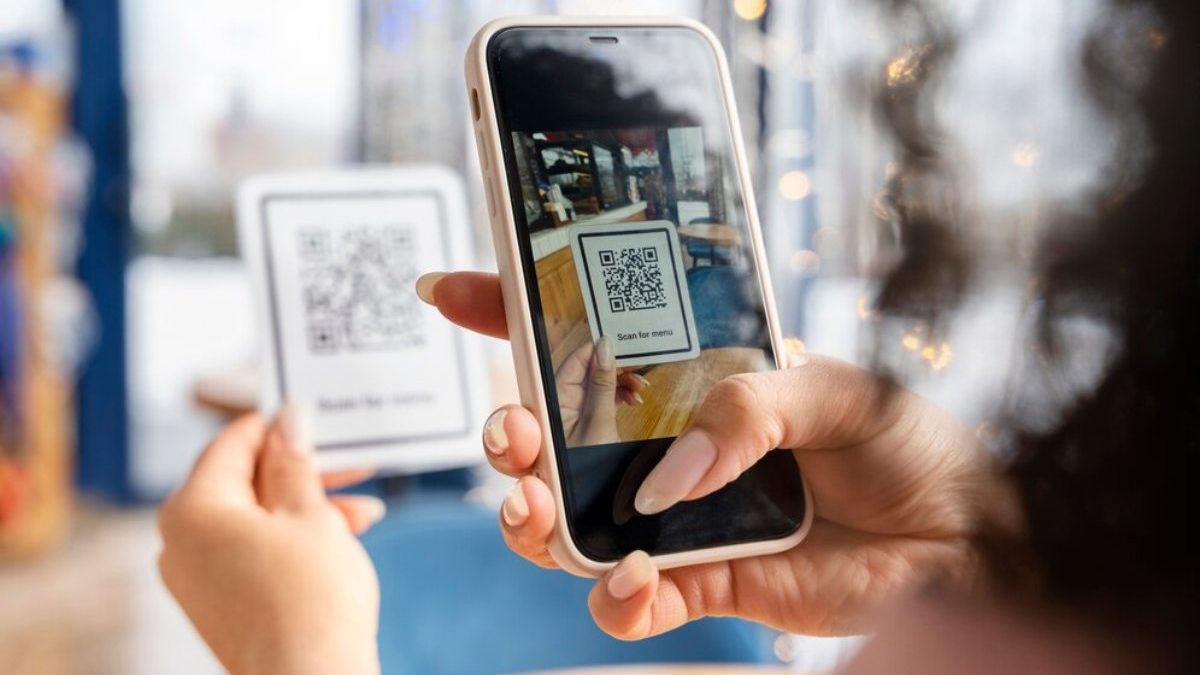

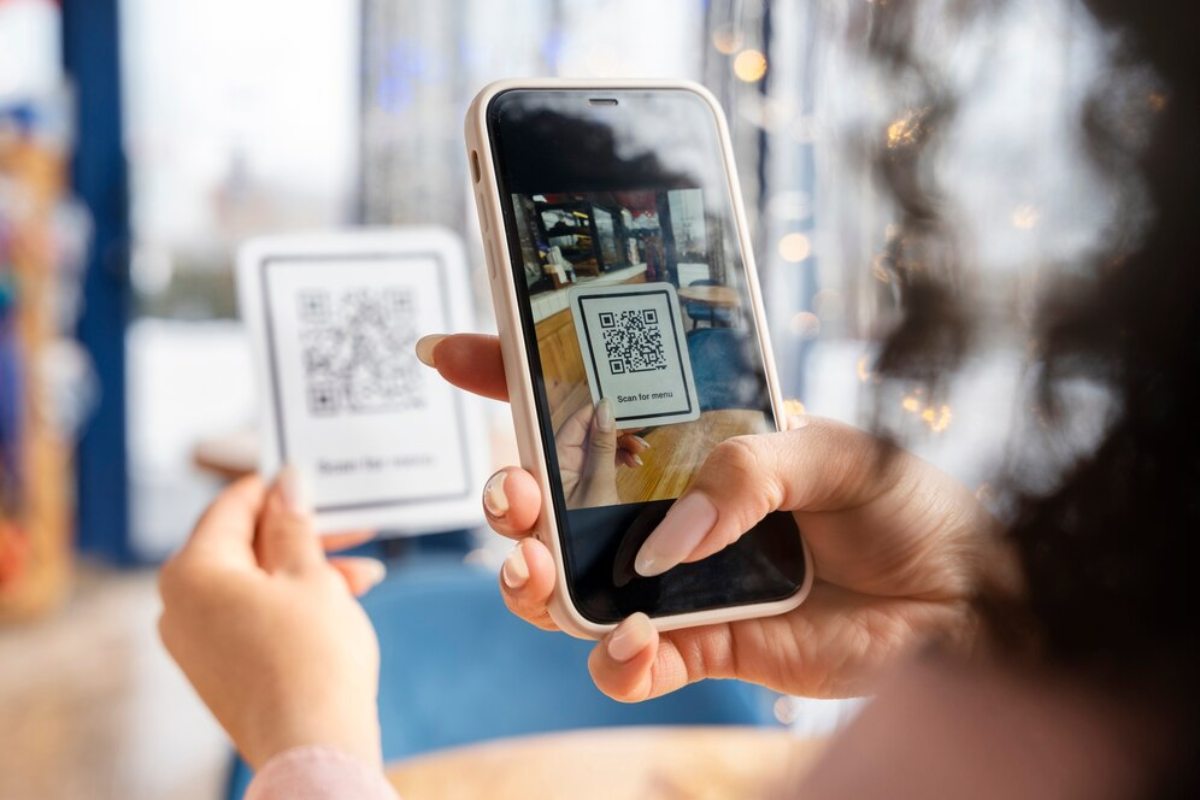
Look, QR codes feel simple.
Scan. Open. Done.
But once you actually start using them in real life—on packaging, menus, random posters—you realize there’s more going on behind that little square than people think.
And honestly? All QR codes is not the same.
Table of Contents
What QR Codes Actually Do (Without the Technical Jargon)
On the most simple level a QR code is a type of short cut.
Instead of entering a lengthy URL or manually saving a contact, you scan it and your phone does the work for you.
That’s it.
But the interesting part is what happens after the scan. That depends on the type of QR code being used.
Static vs Dynamic QR Codes (This Is Where It Changes)
Alright, here’s the real difference.
Static QR Codes
These are fixed.
You create them once, and whatever you put inside—link, text, contact info—stays there forever. No edits. No updates.
I actually tested one from an old product box lying around (some random electronics packaging). Still worked. Same link. Same page.
That’s the point.
They’re simple and reliable.
But yeah—if the link breaks later? You’re stuck.
Dynamic QR Codes
Now this is where things get interesting.
Dynamic codes don’t store the final destination directly. Instead, they point to a short redirect link that you can control.
So you can:
- Change the destination later
- Track how many people scanned it
- See location/time data
- Even customize what users see
I saw this at a café menu recently—same QR code, but the menu updated daily.
No reprinting. No hassle.
That’s the advantage.
Where Static QR Codes Actually Work Best
You’ve probably seen these everywhere without thinking about it.
And yeah—they still have their place.
- Product packaging → Quick access to manuals or details
- Business cards → Scan and save contact instantly
- Posters & ads → Straight to a website or offer
- Event tickets → Fast entry, no paper checking
- Payments → UPI, wallets, simple checkout
Simple job. Fixed info. No need to update.
Static works perfectly here.
Where Dynamic QR Codes Make More Sense
Now if things change frequently, static codes just don’t cut it.
Dynamic ones step in.
- Restaurant menus → Update items daily
- Marketing campaigns → Track engagement
- Membership offers → Personalized deals
- Secure access systems → Rotating authentication
- Analytics tracking → Real user behavior
Honestly, if you’re running anything that evolves—even slightly—dynamic is just smarter.
Real-World Test: Do QR Codes Always Work?
I actually tried scanning 5 different QR codes from real places.
No lab setup. Just normal usage.
Here’s what happened:
| Source | Scan Speed | Worked? | Notes |
|---|---|---|---|
| Restaurant menu | Fast | Yes | Clean print, worked instantly |
| Product packaging | Medium | Yes | Slight delay, but fine |
| Street poster | Slow | Yes | Needed angle adjustment |
| Old magazine ad | Failed once | Partial | Link outdated |
| Payment QR (UPI) | Instant | Yes | Most optimized |
So yeah—here’s the thing:
QR codes aren’t magic.
Print quality, lighting, size—it all matters.
And outdated links? Still a big problem with static codes.
The Security Side (Nobody Talks About This Enough)
Alright, this part matters.
A lot.
QR codes don’t show you the link before opening it. You scan—and boom, you’re redirected.
That’s risky.
There’s a growing issue called QR phishing (or “quishing”). Fake codes placed over real ones.
Happens more than you’d think.
How to stay safe:
- Don’t scan random codes in public places
- Check the preview URL before opening
- Avoid entering personal data instantly
- Be cautious with payment QR stickers
Honestly, if something feels off—just don’t scan it.
Simple rule.
Why QR Codes Blew Up Recently
QR codes have been around for decades.
But nobody cared earlier.
So what changed?
- Smartphones got better cameras
- Built-in scanners (no app needed anymore)
- Contactless culture (especially after COVID)
- Faster mobile internet
And suddenly—they were everywhere.
Restaurants. Payments. Ads. Even small street vendors.
2026 Trend: AI-Generated QR Codes
Now this is actually cool.
QR codes aren’t just black-and-white squares anymore.
AI tools can now generate custom-designed QR codes—logos inside them, colors, even artistic patterns.
I saw one shaped like a coffee cup at a café. Still scannable.
Wild.
But here’s the catch:
Design too much—and it stops working properly.
So yeah, balance matters.
Static vs Dynamic: Which One Should You Use?
Don’t overthink it.
Just ask one question:
“Will this information change later?”
- No → Go static
- Yes → Go dynamic
That’s it.
Final Thoughts
QR codes look small.
But they’re doing a lot of heavy lifting behind the scenes.
From payments to marketing to basic info sharing—they’ve quietly become part of everyday life.
Not perfect though.
They break. They expire. They can even be misused.
You can utilize a free online QR code generator to input your desired URL, text, etc., and download the resulting image to create a static QR code.
But when used right?
They save time. Remove friction. Make things easier.
And honestly—that’s why they’re not going anywhere anytime soon.