

This article is part of our Audio, Earbuds & Headphones resource section
In the world of earphones, there’s an ongoing debate: wireless vs. wired earphones. Which one is better? Which one should you choose? This article aims to help you make an informed decision by providing a comprehensive earphone comparison. We’ll look at wireless and wired earphones’ good and bad points. Then you can choose the best earphones for your needs.
Table of Contents
Introduction:
Changes in technology have led us to a big decision point in the world of personal sound devices. The choice between wireless and wired earphones has become significant for music lovers, gamers, and everyday users.
Overview of Wireless Earphones
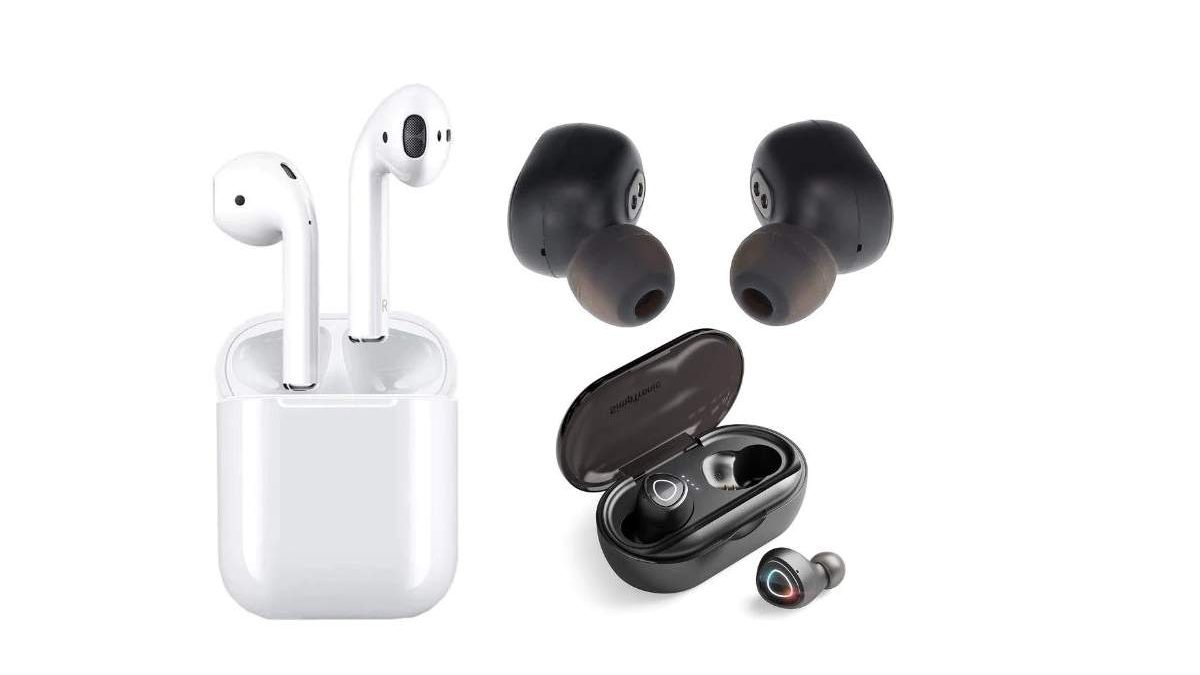
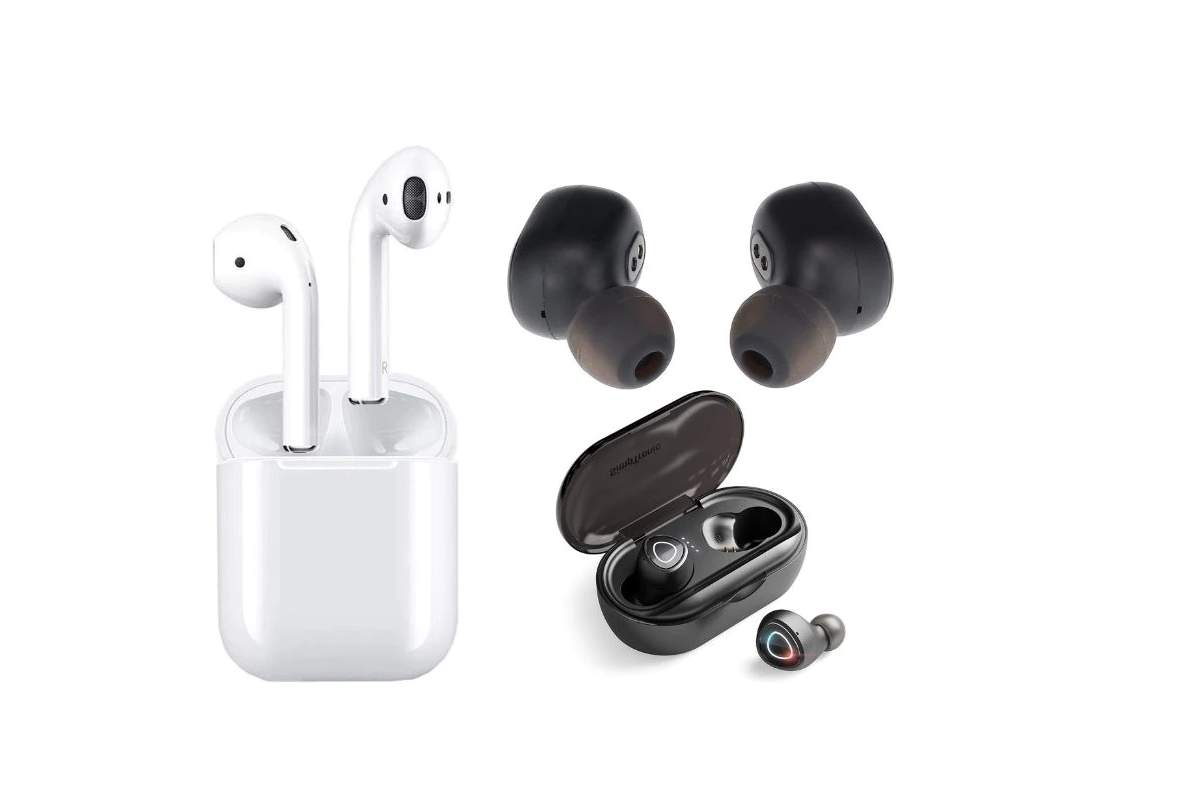
Wireless earphones are the newer entrants in the market. They connect to your device with Bluetooth, so no wires are needed. They let you move freely and are often the first choice for people who exercise a lot or don’t like dealing with tangled cables.
Wireless earphones are available in several designs, including compact in-ear models and true wireless earbuds that have no cable connecting the two earpieces. If you’re comparing different styles, features, and buying considerations, our guide to wireless earbuds can help you explore the options before making a decision.
Overview of Wired Earphones
Wired earphones have been around for a long time. They hook up to your device with a wire that usually ends in a 3.5mm plug. Even though portable headphones are now available, wired headphones still have a significant market share because they are reliable and sound good.
The Pros and Cons of Wireless Earphones
Knowing the pros and cons of wireless vs. wired earphones is essential.
Benefits of Wireless Earphones
Wireless earphones offer unparalleled convenience and mobility. They are perfect for workouts, commuting, and multitasking. There are no cords to worry about, so there are no tangles or the possibility of the cable snagging on something.
Drawbacks of Wireless Earphones
However, wireless earphones have their downsides. They use batteries, so you need to remember to charge them. They can also be more prone to connection issues, and some users who made this earphone choice report a slight drop in sound quality compared to wired models.
The Pros and Cons of Wired Earphones
Just like their wireless counterparts, wired earphones have their own set of advantages and disadvantages.
Benefits of Wired Earphones
Wired earphones are known for their superior sound quality. They don’t use batteries, so you can use them without charging. They are usually more challenging and don’t usually have connection problems.
Drawbacks of Wired Earphones
The main drawback of wired earphones is the wire itself. It can get tangled, limit your movement, and be a nuisance when exercising or moving around. Also, as more devices remove the headphone jack, wired earphones can become less convenient.
Additional Earphone Recommendations
If you’re still on the fence about which earphones to choose, here are some more detailed insights into the additional recommendations from Network Hardware:
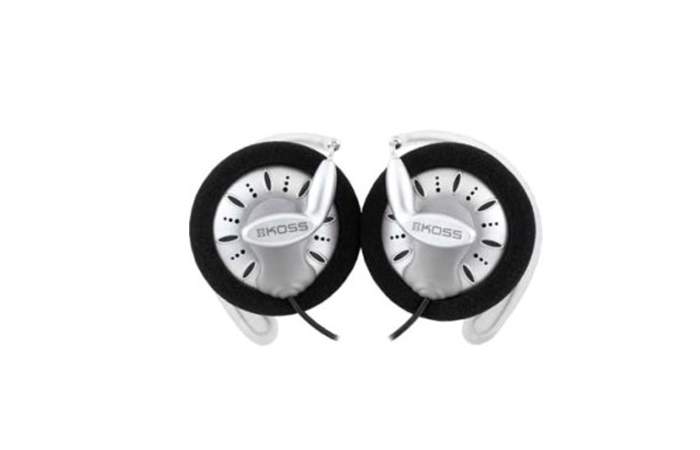
Koss Sport Clip-On Headphones (KSC-75)
These headphones are specifically designed for active individuals. The clip-on design ensures they stay secure during vigorous activities. They deliver high-quality sound to enhance your listening experience. You can use them when running, biking, or exercising at the gym.
Naxa True Wireless Earphones
These earphones offer the ultimate convenience of wireless listening. The included charging case ensures your earphones are always ready to use, providing extended playtime and easy storage. The sleek white design adds a touch of style to your audio gear.
Avid Education JS-75 Earbud (8KIT00JS75BOXED)
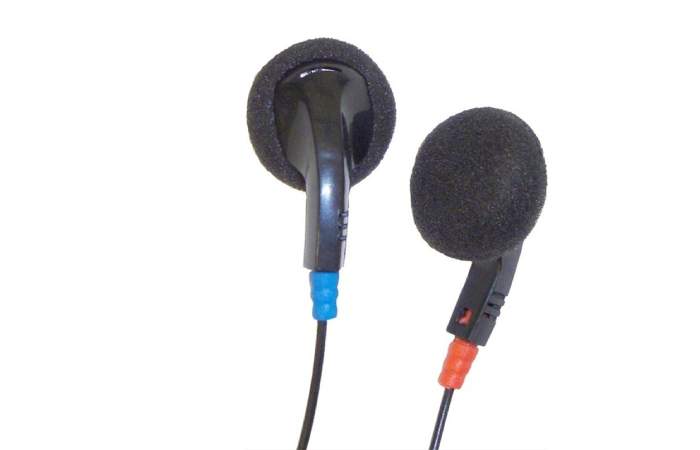
These earbuds are perfect for students. Designed with education in mind, they provide precise sound for learning languages, listening to lectures, or studying with audio materials. The compact design makes them easy to carry in a backpack or pencil case.
IQ Sound Digital Stereo Earphones (IQ-113PURPLE)
These earphones deliver digital stereo sound, providing a superior listening experience. Whether listening to music, podcasts, or talking, these earphones give you precise, full sound. The vibrant purple color adds a fun touch to your audio accessories.

Panasonic RP-HV096 Earphone (RP-HV096-K)
Panasonic RP-HV096 Earphone (RP-HV096-K)
These Panasonic earphones are known for their high-quality sound and comfortable fit. They are reliable for everyday use, providing clear sound for music, calls, and multimedia content.
Remember, the best earphone choice for you depends on your specific needs and preferences. Whether you pick wireless or wired earphones, they should fit well and sound good.
Wired vs. Wireless Earphones for Everyday Use
Your daily routine is one of the most useful ways to decide between wired and wireless earphones. Consider how often you listen to music, whether you take calls while moving around, and how much time you spend using your earphones.
Wireless earphones are convenient when commuting, walking, exercising, or moving between different activities. You can leave your phone in your pocket or bag without worrying about a cable getting caught. They are also useful when your device does not have a traditional headphone jack, although you should check Bluetooth compatibility before purchasing.
Wired earphones can be a better fit for people who spend most of their time at a desk, listen to audio for extended periods, or prefer not to monitor battery levels. They are also useful when you want a simple connection without pairing devices or dealing with wireless interruptions.
There is no universal winner. If you’re still unsure which format makes more sense for your routine, read our comparison of whether earbuds are better than headphones for everyday use. It can help you consider comfort, portability, and practical everyday listening needs.
Sound Quality: Does Wired Always Sound Better?
Sound quality is often one of the biggest points in the wired-versus-wireless debate. Wired earphones can transmit audio directly through a cable, avoiding the compression and potential interference associated with some Bluetooth connections. This can be an advantage for listeners who use high-quality audio files or compatible audio equipment.
However, Bluetooth audio has improved considerably. Modern wireless earphones support different audio codecs, and some models can deliver sound quality that many everyday listeners will find more than satisfactory.
The actual listening experience depends on more than the connection. Driver quality, tuning, fit, ear tips, and the source of the audio all matter. A well-designed wireless model can sound better than a poorly designed wired model.
If sound quality is your priority, compare independent listening tests and specifications rather than assuming that one connection type will always perform better.
Battery Life and Charging Requirements
Battery life is an important consideration when buying wireless earphones. Unlike wired models, wireless devices need power to operate their Bluetooth connection and internal electronics.
True wireless earbuds usually come with a charging case that provides additional charging cycles when you’re away from a power outlet. However, the advertised battery life may differ depending on volume, Bluetooth features, active noise cancellation, and other settings.
Wired earphones do not have this limitation. They draw no operating power from an internal battery, so you can continue listening as long as your connected device has power. This makes them particularly useful for long listening sessions.
Before purchasing wireless earphones, check the battery life per charge and the additional capacity provided by the charging case. Also consider how long the device takes to recharge.
Compatibility and Connectivity
Device compatibility can influence your decision just as much as sound quality. Wired earphones with a 3.5mm plug work with devices that have a compatible headphone jack. If your smartphone or laptop does not have one, you may need a USB-C or Lightning adapter, depending on the device.
Wireless earphones connect through Bluetooth. Check the Bluetooth version and supported profiles, along with compatibility requirements for your phone, tablet, laptop, or television.
Bluetooth pairing is generally straightforward, but some models offer additional features such as multipoint connectivity. This allows compatible earphones to connect to two devices and switch between them, which can be useful if you regularly move between a computer and smartphone.
If you plan to use earphones for gaming or video calls, also consider audio latency and microphone quality. Some wireless models have low-latency modes, but wired connections are often a simpler option when synchronized audio is particularly important.
Comfort, Fit, and Durability
Comfort is personal, and the best earphones should fit your ears without causing discomfort during extended listening sessions.
Wireless earbuds are compact and convenient, but their fit depends on the shape of your ears and the size of their ear tips. Some models include multiple ear-tip sizes to help users achieve a secure seal. A good fit can also improve passive noise isolation and bass response.
Wired earphones come in different shapes, including traditional earbuds and in-ear designs. Their cable can sometimes create pulling or rubbing sensations when you move, so cable length and construction are worth considering.
Durability matters too. Check the quality of the cable, connector, charging case, and earpiece construction. If you plan to use earphones during workouts or outdoors, look for an appropriate water- or sweat-resistance rating. Avoid assuming that every wireless model is waterproof.
Price and Long-Term Value
Price is another factor to consider when comparing wireless and wired earphones. Wired models are often available at lower prices because they do not need built-in batteries, Bluetooth components, or charging cases.
Wireless earphones can cost more, especially when they include features such as active noise cancellation, multipoint connectivity, advanced microphones, and companion applications. However, the extra cost may be worthwhile if convenience and portability are important to you.
Think about long-term ownership as well. The rechargeable batteries in wireless earphones gradually lose capacity over time. Wired earphones do not have that particular limitation, although their cables and connectors can wear out with regular use.
Rather than choosing the cheapest option, compare build quality, warranty coverage, comfort, and the features you will actually use.
Recap of Wireless vs. Wired Earphone Comparison
Wireless earphones offer freedom of movement and convenience, making them an excellent choice for active individuals or those who dislike dealing with wires. However, they require regular charging and may offer a different sound quality than wired models.
Wired earphones, on the other hand, are renowned for their reliability. They’re a fantastic option for audiophiles and those who don’t mind dealing with a wire. However, they can be less convenient for active use and may not be compatible with all devices.
Final Thoughts on Choosing Your Earphones
When choosing between wireless and wired earphones, what you need and how you live will help you make the best choice.
In the end, you choose if you want wireless or wired earphones. Think about your life, what you need, and what you’ll use them for. There’s a pair of earphones for everyone, whether you like good sound, comfort, or both. Remember, the best earphones for your needs are the ones that make you feel comfortable and happy. Visit website Network Hardwares for more products.
