
Let’s be honest for a second.
Back in 2021, everyone thought the metaverse was the next version of the internet. Brands were buying virtual land like it was beachfront property in Goa. Agencies were pitching “immersive experiences” like they’d crack the code overnight.
Fast forward to 2026?
Most of that hype didn’t age well.
And yeah… some of it straight-up flopped.
Table of Contents
So, What Really Happened to Metaverse Marketing?
Here’s the thing: the metaverse didn’t disappear.
It just stopped pretending to be everything.
Search interest dropped. Brand experiments slowed. And a lot of companies quietly shifted budgets back to performance channels—because, well, those actually convert.
But something interesting happened too.
Instead of dying, metaverse marketing shrunk into a niche:
- Gaming ecosystems (like Roblox, Fortnite)
- AR-driven experiences
- Limited-edition digital drops
Not dead. Just… way more practical.
Let’s Talk Real Campaigns (Not Theory)
Because this is where most articles completely fall apart.
They talk ideas. We’re talking outcomes.
Nike – Nikeland (Roblox)
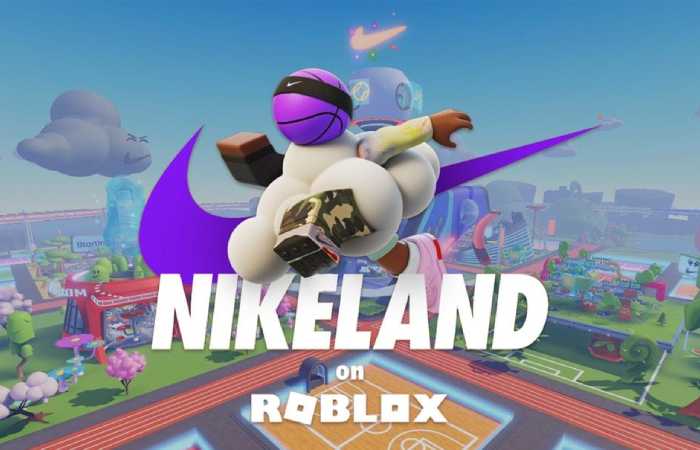
Nike didn’t just “enter the metaverse.” They built a full-blown experience inside Roblox.
- Over 7 million visitors
- High engagement time (people actually stayed)
- But conversion? Roughly 1–3%
Look, that’s not great if you’re chasing sales.
But Nike wasn’t. They were building brand affinity with younger users. And for that? It worked.
Gucci – Virtual Bags on Roblox
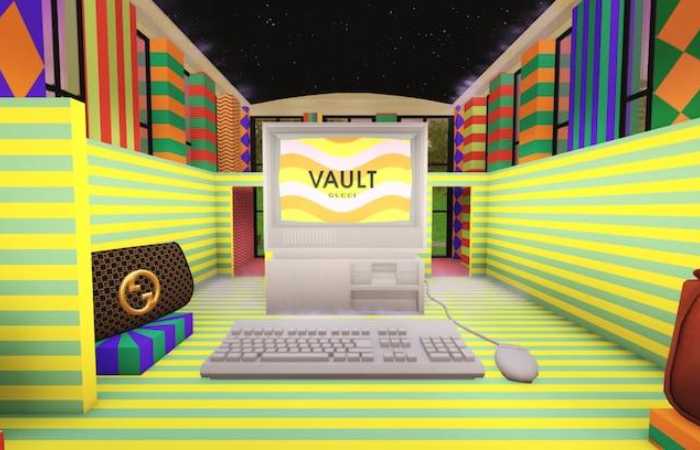
This one shocked people.
A digital Gucci bag sold for more than the real one.
Sounds insane. Because it is.
But here’s the catch:
- Huge PR buzz
- Short-lived demand spike
- No long-term retention
It was a moment. Not a system.
Wendy’s – Fortnite Activation
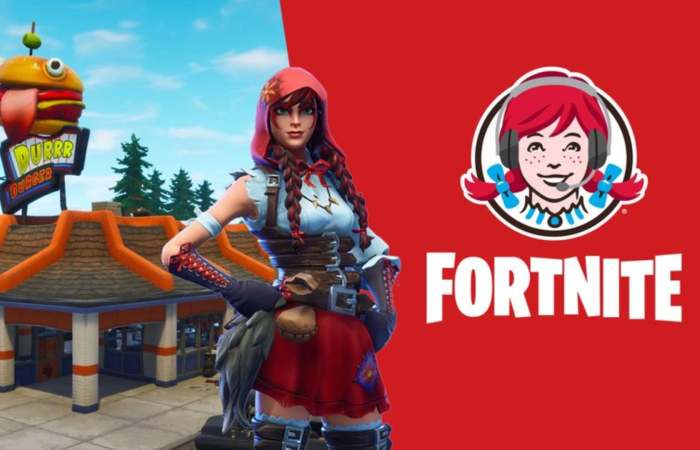
Wendy’s leaned into gaming culture and went viral.
- Massive exposure
- Social media explosion
- Tons of organic reach
But after the hype?
Traffic normalized. Sales impact? Hard to tie directly.
So yeah—great awareness. Weak funnel.
Samsung – Decentraland Store
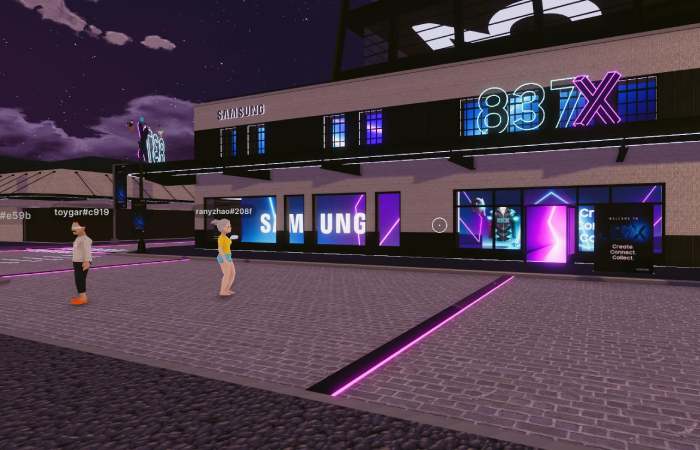
Samsung built a virtual store in Decentraland.
Sounds futuristic. Felt… empty.
- High development cost
- Low repeat visitors
- Minimal real engagement
Honestly? This is where reality hit hard.
Coca-Cola – NFT + Virtual Events
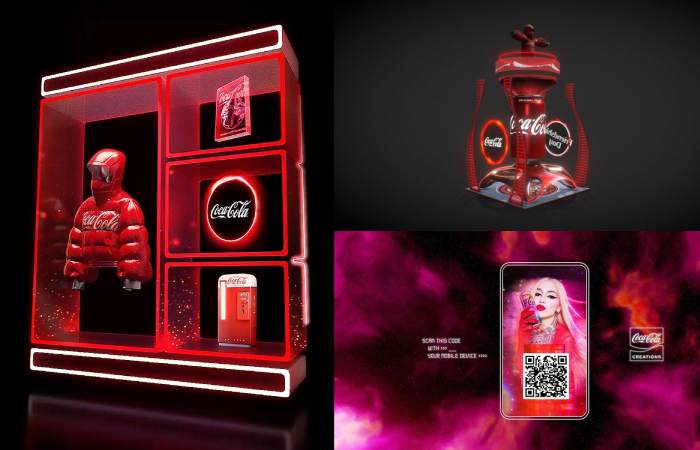
Coca-Cola experimented with NFTs and virtual experiences.
- Strong brand visibility
- Collectible hype
- Limited measurable ROI
It worked as a campaign. Not as a revenue engine.
What Did All These Campaigns Have in Common?
Short answer?
They weren’t built to convert.
They were built to:
- Get attention
- Generate buzz
- Look innovative
And that’s fine… until someone asks, “What’s the ROI?”
The Real Cost of Metaverse Marketing (Brace Yourself)
Let’s break this down. No sugarcoating.
| Component | Typical Cost |
|---|---|
| Virtual Land | $5,000 – $50,000 |
| Development | $20,000 – $100,000 |
| 3D Assets & Design | $10,000 – $40,000 |
| Promotion | $15,000 – $60,000 |
So yeah… you’re easily looking at $50K–$200K+ per campaign.
Now compare that to:
- Meta Ads ROI: often +80% to +150%
- Google Ads (well-optimized): similar range
Metaverse campaigns?
Often land somewhere between -20% to -60% short-term ROI
Ouch.
Where It Actually Works (And Where It Doesn’t)
Let’s cut through the nonsense.
Works well for:
- Gen Z audiences
- Gaming-native users
- Luxury & hype-driven brands
- Awareness campaigns
Fails badly for:
- B2B companies
- Local businesses
- Direct-response marketing
- Small budgets
Honestly, if you’re trying to sell SaaS or generate leads…
Don’t even bother.
Should You Invest in Metaverse Marketing?
Alright. Quick reality check.
Answer these:
- Is your audience under 30?
- Can you afford to spend $50K+ without expecting immediate returns?
- Are you focused on branding, not conversions?
- Do you already have traction in gaming or digital communities?
- Are you okay with experimentation (and possible failure)?
If you said “no” to most of these…
Save your money.
Seriously.
What Most Marketers Got Wrong
This part matters.
A lot.
Brands assumed:
“If users spend time there, they’ll buy there.”
That didn’t happen.
Why?
Because user intent inside virtual worlds is completely different.
People go there to:
- Play
- Socialize
- Explore
Not shop.
And that mismatch? That’s where most campaigns collapsed.
So… Is Metaverse Marketing Still Worth It in 2026?
Short answer?
Sometimes.
Long answer?
It depends on what you expect from it.
If you want:
- Sales → No
- Leads → No
- Quick ROI → Definitely no
But if you want:
- Brand exposure
- Cultural relevance
- Experimentation
Then yeah—it can still work.
Just don’t treat it like a performance channel.
That’s the mistake everyone made.
Final Take
Metaverse marketing isn’t the future of advertising.
It’s a side experiment.
A playground for big brands with budget to burn and stories to tell.
And honestly?
That’s okay.
Because not every channel needs to convert.
But every channel does need to make sense.
About Zain Jaffer
Zain Jaffer is a tech entrepreneur and the Founder of Zain Ventures. Zain is an active investor and mentor, engaging with startups at an early stage in the span of their journey.