
Table of Contents
What Is 3PL (Third-Party Logistics)? And Why E-commerce Brands Can’t Ignore It in 2026
Online shopping isn’t slowing down. Not even close.
In fact, global e-commerce sales are expected to cross $7.5 trillion by 2026, and customers? They want everything faster. Same-day. Next-day. No excuses.
And that’s where things get messy.
Because handling storage, packing, shipping, returns—on your own—isn’t just hard. It’s exhausting. Expensive too.
So businesses outsource.
To 3PL.
What Exactly Is 3PL?
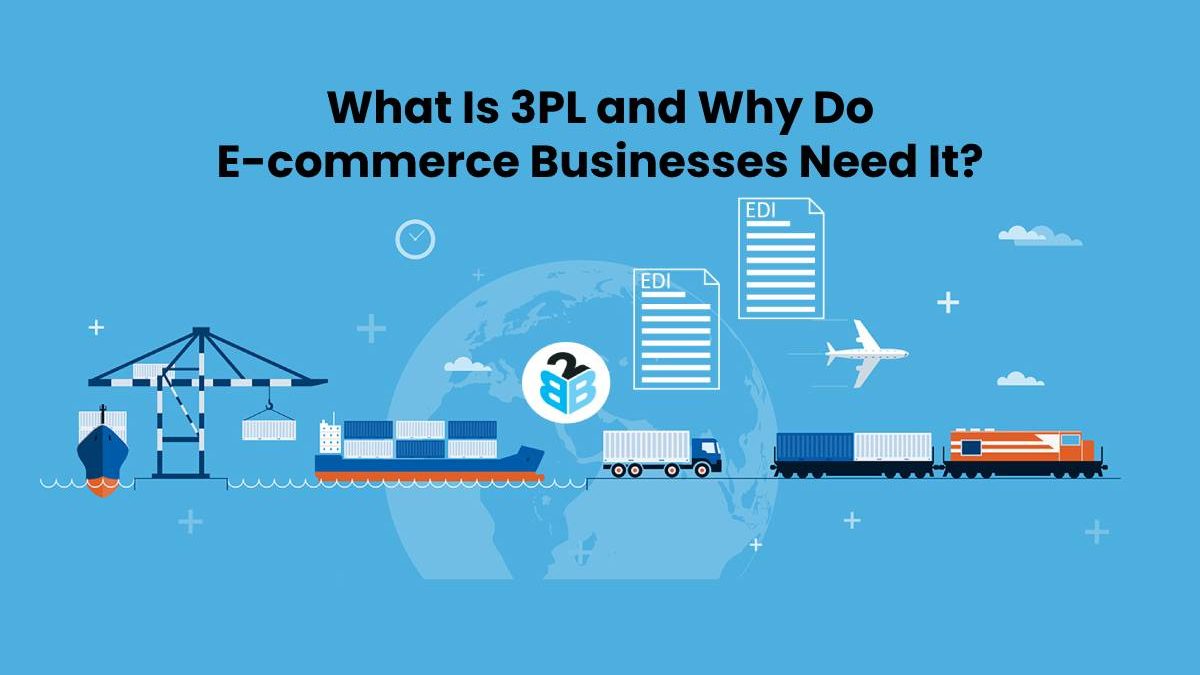
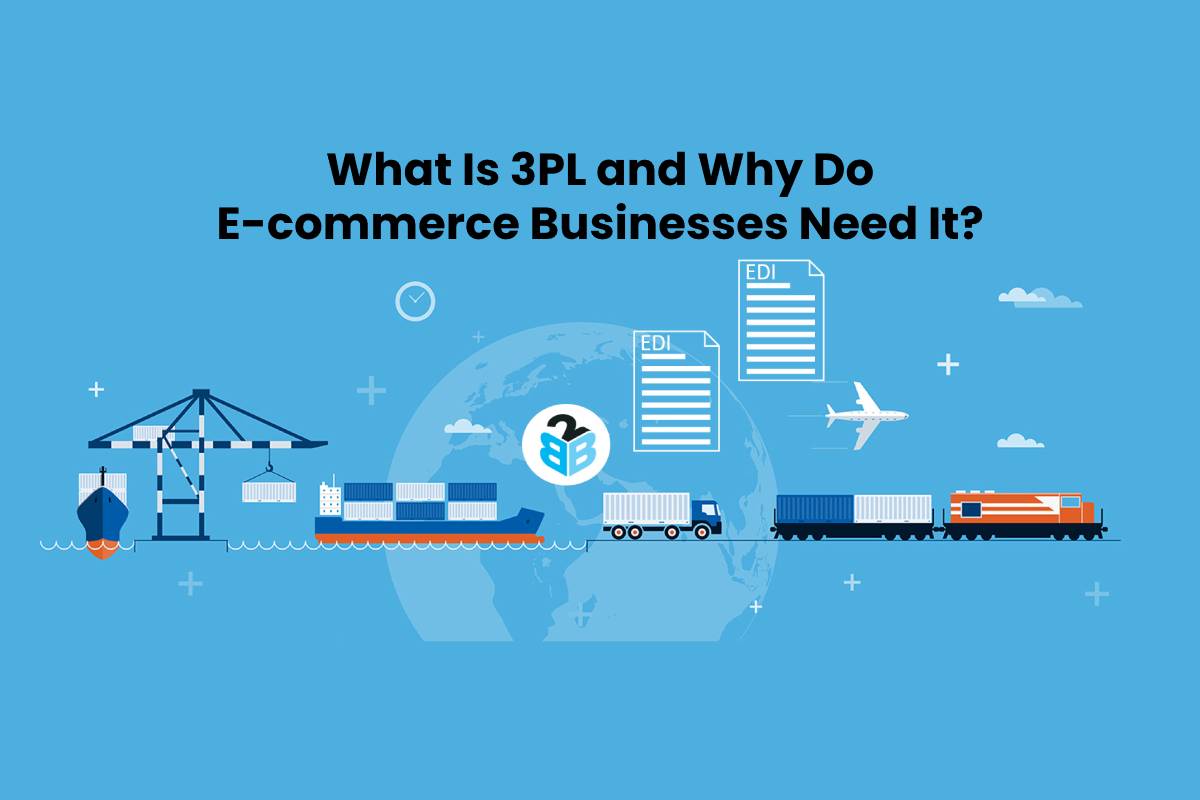
A third-party logistics (3PL) provider is a company that manages your logistics operations so you don’t have to.
Simple.
They handle things like:
- Warehousing
- Inventory management
- Order fulfillment (pick, pack, ship)
- Transportation
- Returns (reverse logistics)
Think of them as the backend engine powering your online store.
Companies like Delhivery, ShipBob, and Amazon (via FBA) are classic examples.
Why E-commerce Businesses Actually Need 3PL
Look, here’s the thing:
You can manage logistics yourself. In the beginning, it even feels cheaper.
But scale hits. Orders increase. Mistakes creep in.
And suddenly… you’re drowning.
Let’s break down why 3PL isn’t optional anymore.
1. Cost Savings
Warehousing isn’t cheap.
In India, even a small warehouse can cost ₹20–₹40 per sq. ft/month, excluding staff, utilities, and tech.
Now add:
- Packaging materials
- Delivery fleet or courier contracts
- Labor
It piles up fast.
3PL providers already operate at scale. They negotiate bulk shipping rates and pass savings to you.
Example: Businesses using 3PL report 10–25% reduction in logistics costs on average (Statista, 2025).
Not small.
2. Speed = Survival
Customers compare you to Amazon. Whether you like it or not.
That means:
- 1–2 day delivery is expected
- Real-time tracking is standard
- Delays = lost customers
3PL companies use distributed warehouses. So instead of shipping from one city, you ship from the closest one.
Less distance. Faster delivery. Lower cost.
Win-win.
3. You Get Expertise Without Hiring a Team
Honestly? Logistics is complicated.
Customs rules. Packaging standards. Route optimization. Returns handling.
A good 3PL already has:
- Trained staff
- Warehouse automation
- AI-based routing systems
For example, companies like Blue Dart use advanced tracking systems that reduce delivery errors significantly.
You plug in. They handle the rest.
4. Scaling Without Breaking Everything
Here’s a real scenario.
You run a Shopify store.
You get 50 orders/day. Manageable.
Then a sale hits. Suddenly: 500 orders/day.
Now what?
- Your storage runs out
- Packing delays happen
- Customers start complaining
3PL providers are built for this. They scale instantly.
During peak seasons (like Diwali or Black Friday), many brands rely entirely on partners like Shiprocket to handle spikes.
No chaos. Just flow.
5. Global Expansion Becomes Possible
Selling internationally sounds exciting.
Until you hit:
- Customs duties
- Compliance issues
- Shipping delays
3PL providers with global networks simplify this.
Platforms integrated with Shopify often connect directly to international fulfillment centers.
So yes—you can ship to the US, UK, UAE without building infrastructure there.
Case Study: How a D2C Brand Scaled Using 3PL
Let’s make this real.
Brand: boAt (India)
Before scaling, boAt handled a significant portion of logistics internally.
Then growth exploded.
- Orders increased massively (especially during sales)
- Delivery delays started affecting customer experience
So they partnered with logistics providers like Delhivery.
The Result:
- Faster delivery times across India
- Better inventory distribution
- Improved customer satisfaction
And today?
boAt is a ₹3000+ crore brand.
Coincidence? Not really.
In-House Logistics vs 3PL
| Factor | In-House | 3PL |
|---|---|---|
| Setup Cost | High | Low |
| Flexibility | Limited | High |
| Delivery Speed | Slower | Faster |
| Expertise | You build it | Already available |
| Scalability | Painful | Seamless |
Honestly… unless logistics is your core business, doing it yourself doesn’t make much sense long-term.
But Wait—Is 3PL Always Perfect?
No.
Let’s not sugarcoat it.
Some downsides:
- Less control over operations
- Dependency on external partners
- Service quality varies
That’s why choosing the right partner matters more than choosing 3PL itself.
So, Should You Use 3PL?
Short answer?
Yes—if you want to grow.
Long answer?
If you’re:
- Getting more than 50–100 orders/day
- Struggling with delivery delays
- Spending too much on logistics
- Planning to expand
Then yeah… it’s time.
Final Thoughts
3PL isn’t just about shipping.
It’s about freeing your brain.
So you can focus on:
- Marketing
- Product development
- Customer experience
Because honestly, customers don’t care how your logistics works.
They care that it works.
Fast. Smooth. Reliable.
And if a 3PL can do that better than you?
You already know the answer.