
Hearing loss affects millions of people, but the tools available today look nothing like what was on offer even a decade ago. Whether you’re just starting to notice changes in your hearing or you’re supporting a family member through the process, it helps to understand the types of hearing loss before diving into solutions. Some innovations tackle mild, age-related decline. Others are built for people managing profound or sudden hearing loss. Knowing which category you fall into makes it a lot easier to pick the right tool instead of just grabbing whatever’s trending.
The good news is that technology has caught up in a big way. Devices that used to be bulky, expensive, and in some opinions a little embarrassing to wear are now discreet, smart, and genuinely useful in daily life. If you’ve been putting off exploring your options because you assume it’ll cost a fortune, it’s worth checking current RIC hearing aid price ranges, since over-the-counter options have shifted the market quite a bit. Let’s get into five innovations actually making a difference right now.
Table of Contents
1. Over-the-Counter Hearing Aids
This is probably the biggest shift in the last few years. Regulatory changes opened the door for hearing aids to be sold directly to consumers without a prescription or an audiologist visit. That means people with mild to moderate hearing loss can walk into a store, or more likely order online, and get a device that actually works without jumping through hoops first. Prices have come down too, which matters a lot when you consider how many people avoided getting help simply because the cost felt out of reach.
2. Rechargeable, App-Controlled Devices
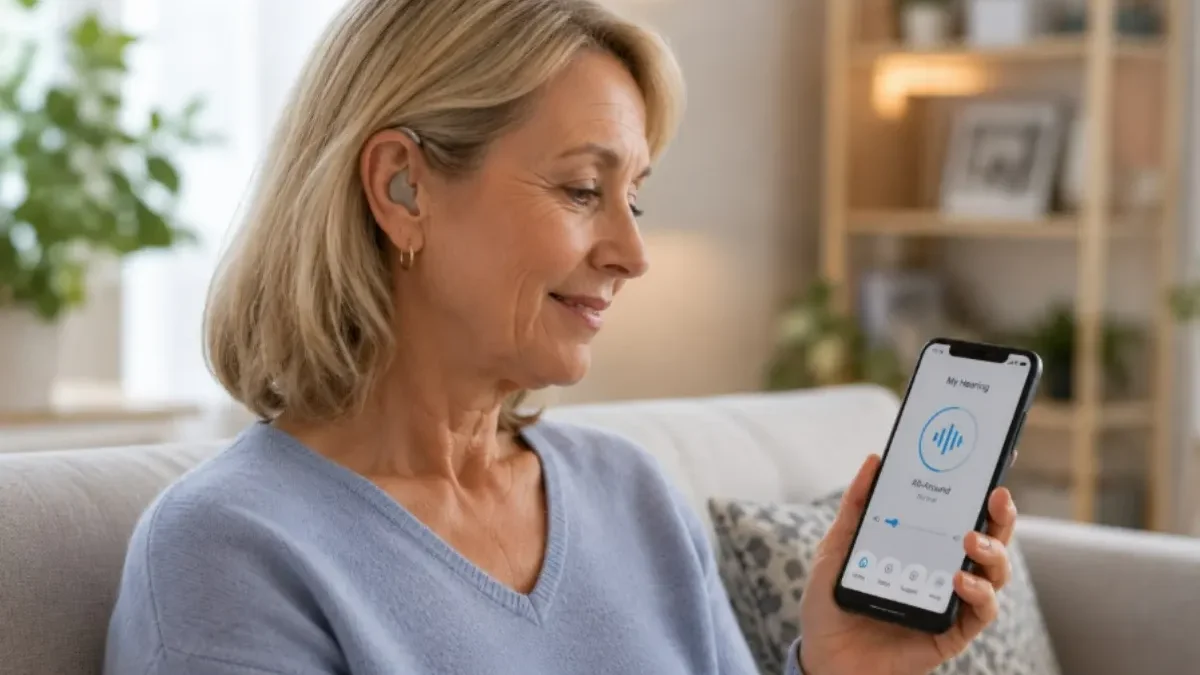
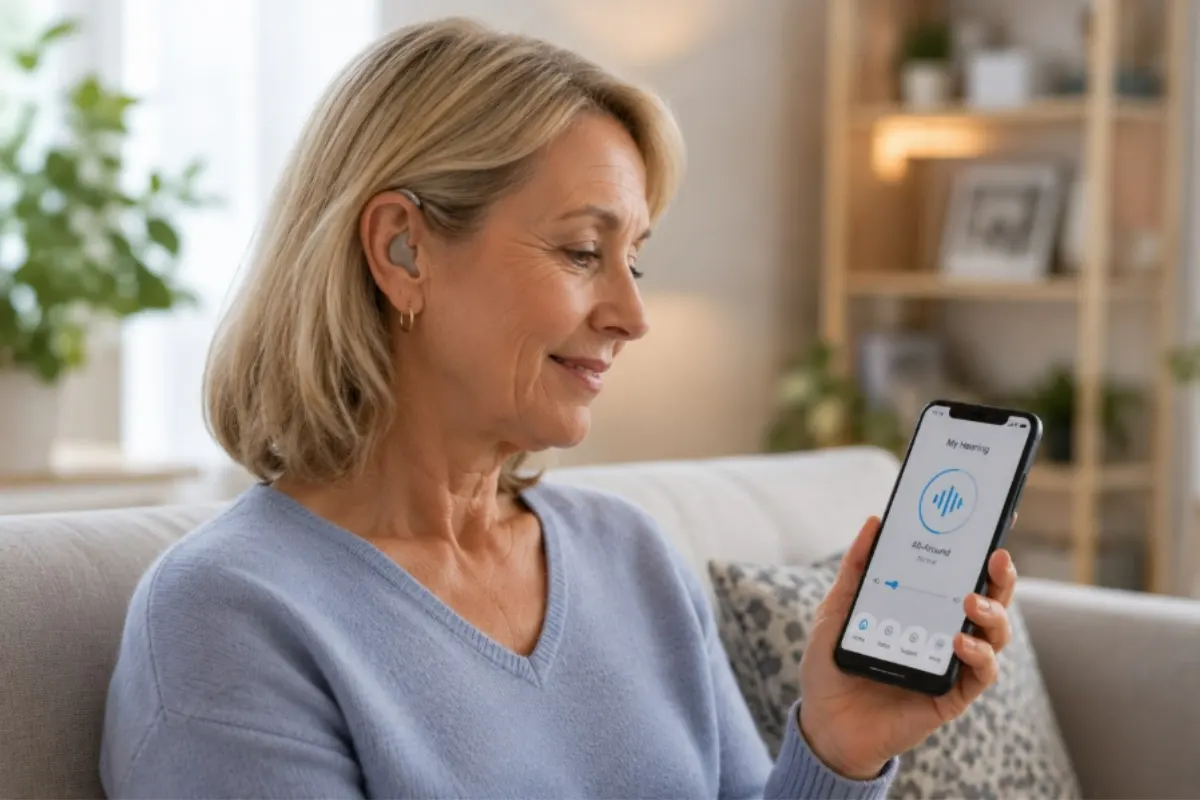
Fumbling with tiny batteries used to be one of the most annoying parts of owning a hearing aid. Now most modern devices come with rechargeable batteries that last a full day on a single charge overnight. Pair that with companion apps on your phone, and you can adjust volume, switch listening modes, or even fine-tune settings for a noisy restaurant without touching the device itself. It sounds like a small thing until you’re the one standing in a loud room trying not to draw attention to yourself while adjusting your ears.
3. Bluetooth Streaming and Direct Phone Calls
A lot of newer hearing aids double as wireless headphones. Music, podcasts, and phone calls stream directly into the device, which cuts out a step that used to be a real hassle. No more holding your phone at an awkward angle or missing half a conversation because the call audio wasn’t routed properly. For people who spend a good chunk of their day on calls, this feature alone can be the difference between struggling through meetings and actually following along.
4. AI-Powered Noise Filtering
Background noise has always been the enemy of clear hearing, and honestly, older devices weren’t great at handling it. Newer models use machine learning to separate speech from background clutter in real time, adjusting on the fly depending on whether you’re in a quiet office or a crowded family dinner. It’s not flawless, but it’s a massive step up from devices that just amplified everything equally, noise included.
5. Captioning and Transcription Tools
Not every innovation lives inside the ear. Live captioning apps, some built right into smartphones and video call platforms, now transcribe conversations in real time. For people who rely partly on lip reading or visual cues, this has been a genuine game changer, especially in group settings where following multiple speakers used to be exhausting. Video calls, in particular, have become far more accessible thanks to built-in captions that used to require third-party software.
6. Telehealth Audiology Appointments
Getting your hearing checked used to mean taking time off work, driving to a clinic, and sitting in a waiting room just to have your device settings adjusted. Now a lot of that can happen remotely. Many hearing aid brands and audiology practices offer virtual appointments where a professional can run diagnostics, tweak your device settings, and even walk you through troubleshooting, all without you leaving the house. For people in rural areas or anyone with mobility issues, this has made ongoing care far more realistic. Instead of putting off a checkup because of the hassle involved, you can often sort it out on a lunch break.
Finding What Works for You
None of these innovations are one-size-fits-all. Someone with mild hearing loss picking up their first pair of OTC aids has very different needs than someone managing a more complex condition. The best approach is usually to start with understanding your specific situation, then look at which combination of tools actually solves your day-to-day frustrations rather than chasing the newest gadget on the market.
It’s also worth remembering that adjusting to new hearing technology takes a bit of patience. Even the best device won’t feel perfect on day one. Give yourself time to get used to how sounds are processed, and don’t be afraid to tweak settings until things feel natural. Hearing loss can feel isolating, but the tools available now genuinely make it easier to stay connected to conversations, work, and the people around you.