

Why Rugged Technology Is Becoming Essential for Australian Operations
Across Australia’s industrial sectors, technology is no longer confined to offices and climate-controlled environments. Devices are now expected to perform reliably in mines, warehouses, vehicles, outdoor worksites, and remote regions where dust, vibration, heat, moisture, and constant movement are part of daily operations. For many businesses, standard consumer-grade devices simply aren’t built for these conditions.
This is where rugged and industrial technology plays a critical role. Designed specifically for harsh environments and mobile workforces, rugged solutions help Australian organisations reduce downtime, extend device lifecycles, and maintain operational continuity in demanding conditions.
Table of Contents
Where Rugged Technology Delivers the Most Value
Industries such as mining, logistics, transport, manufacturing, government, and field services face similar challenges despite operating in different environments. Equipment failures, unreliable connectivity, and device damage can quickly disrupt workflows and create safety and compliance risks.
In mining and resources, rugged devices support on-site data capture, asset management, and safety reporting in remote locations where environmental exposure is unavoidable. In logistics and warehousing, mobile computing enables real-time inventory tracking, scanning, and dispatch coordination while withstanding constant handling and movement. Government and utilities teams rely on durable hardware for inspections, maintenance, and field reporting, often across large geographic areas.
In these settings, rugged laptops and tablets are not about convenience; they are about reliability, consistency, and ensuring systems continue to operate regardless of conditions.
Technology in Action: Practical Use Cases
One of the most common applications of rugged technology is mobile computing in vehicles. Field technicians, delivery drivers, and inspectors increasingly depend on in-vehicle access to systems such as job management platforms, GPS, and compliance tools. Secure vehicle-mounted solutions allow devices to remain accessible, powered, and stable while in motion.
For example, an ipad car mount used in a fleet vehicle can transform a consumer device into a practical operational tool when paired with the right mounting and docking hardware. When installed correctly, these setups reduce driver distraction, improve workflow efficiency, and protect devices from damage caused by vibration or improper storage.
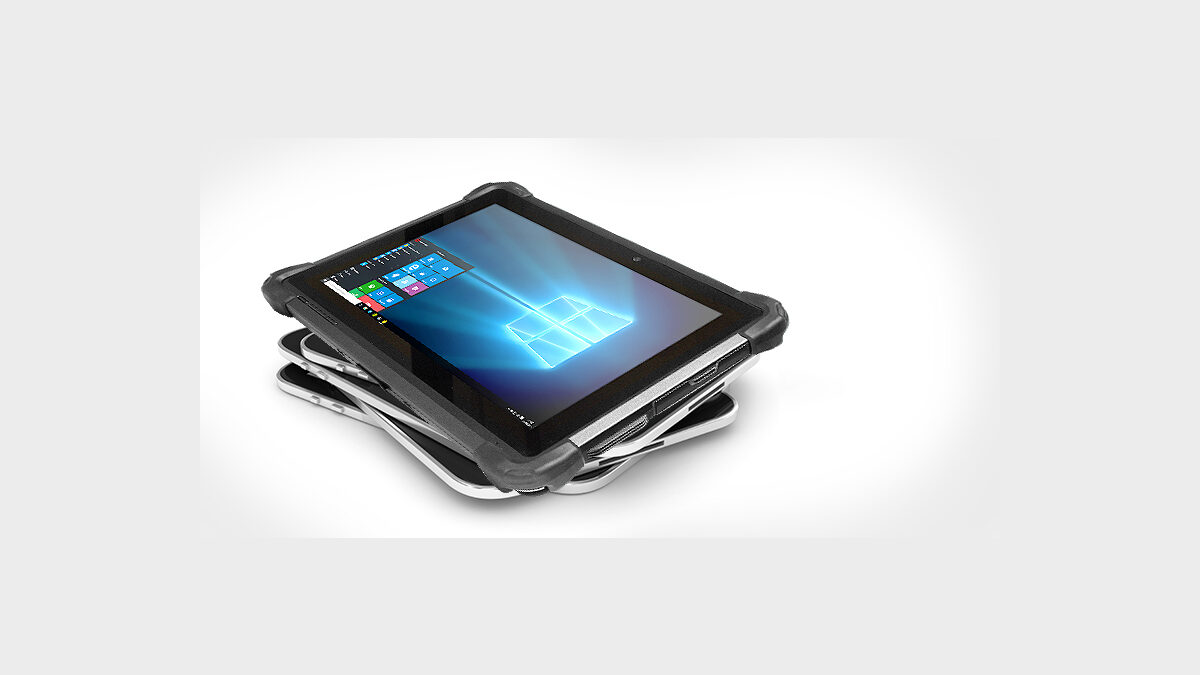
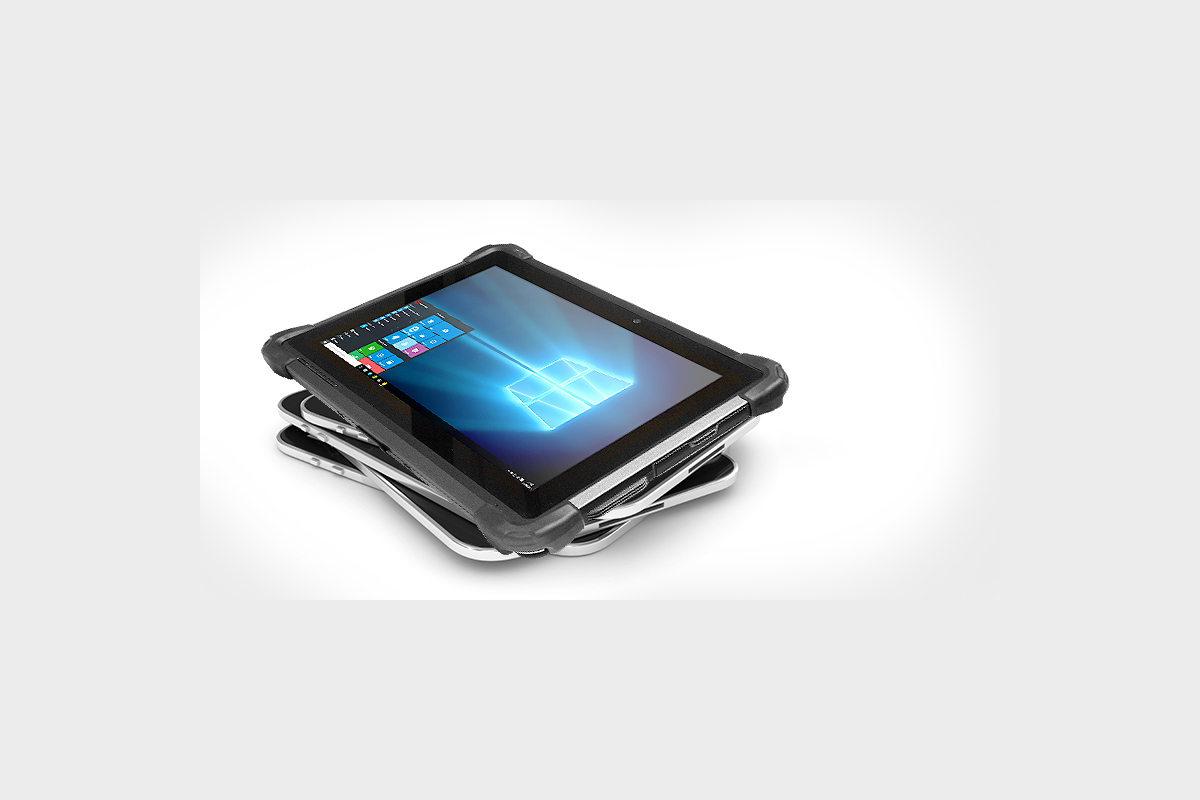
Similarly, a rugged laptop enables workers to operate reliably in environments where drops, temperature fluctuations, and exposure to dust or moisture would quickly compromise standard equipment. Over time, this durability translates into fewer replacements, less downtime, and lower overall technology costs.
Rather than cycling through multiple consumer devices, many Australian businesses are shifting toward fit-for-purpose hardware that supports long-term operational demands.
Reliability, Downtime, and Long-Term ROI
While rugged technology often has a higher upfront cost, the long-term return on investment is where its value becomes clear. Downtime caused by device failure doesn’t just impact productivity it can delay projects, affect compliance, and increase operational risk.
Rugged and industrial devices are designed for extended lifecycles, often lasting several years longer than consumer alternatives. They also support consistent performance in environments where failure is not an option. For businesses operating at scale, this reliability reduces replacement frequency, support costs, and workflow interruptions.
When assessed over the full lifecycle of the device, rugged technology frequently proves more cost-effective than repeatedly replacing unsuitable hardware.
Choosing the Right Technology Partner
Selecting rugged technology is not just about choosing the device itself. Australian businesses benefit most when solutions are tailored to their specific operational needs, environments, and compliance requirements.
A knowledgeable local provider can help assess use cases, recommend appropriate hardware, and ensure mounting, power, and connectivity solutions are fit for purpose. Local expertise also means access to ongoing support, faster turnaround times, and a deeper understanding of Australian operating conditions.
Working with an experienced Australian specialist in roaming technologies ensures businesses receive solutions that are practical, scalable, and designed for real-world use not generic, one-size-fits-all setups.
Key Takeaways for Australian Businesses
As operations become more mobile and digitally connected, technology reliability is no longer optional. Rugged and industrial solutions help Australian organisations operate more efficiently, safely, and consistently in challenging environments.
By investing in purpose-built devices and working with knowledgeable local partners, businesses can reduce downtime, improve workforce productivity, and build technology foundations that support long-term growth no matter where the work takes place.