

Why Execution Not Innovation Theater Now Defines Real Technology
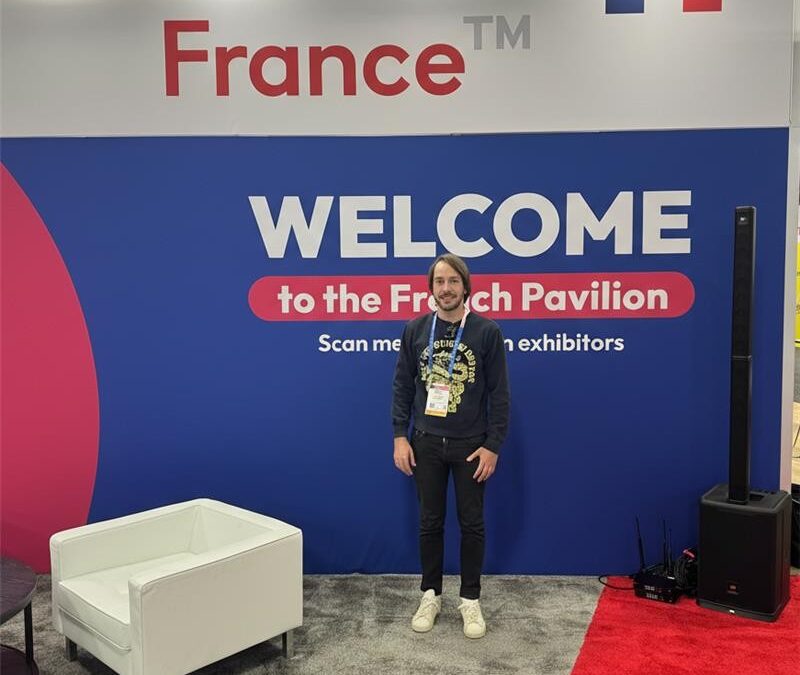
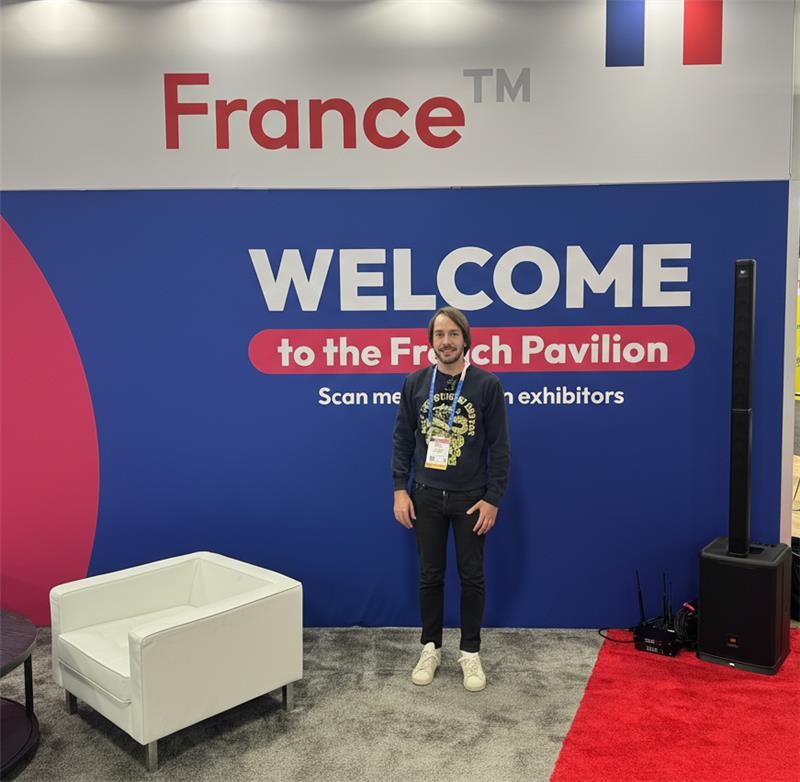
CES has always been a paradox. It is one of the most influential technology events in the world, yet also one of the easiest places to lose sight of reality. CES 2026 made that paradox impossible to ignore, not because the event was louder or more spectacular, but because it exposed, with unusual clarity, the growing gap between technology as a concept and technology as an operational system. Walking through Las Vegas this January, Sacha Masson was not searching for the most futuristic demo or the most ambitious AI promise. After years spent building platforms, scaling digital products, and managing large engineering teams across multiple countries, his focus has shifted toward a more grounded definition of innovation, one rooted in execution, reliability, and operational reality. Attending CES 2026 as a CTO, tech advisor, and judge for a startup pitch competition organized by Business France and the French Tech ecosystem, he experienced the event from a position where evaluation mattered more than spectacle. What interested him most was not what companies claimed they would build, but how they were already executing today.
One moment in particular crystallized that perspective. During the Business France pitch competition, Sacha Masson listened to a series of early-stage founders present ambitious visions, many of them built around artificial intelligence. One team stood out not because its idea was the most disruptive, but because the founders did something unexpectedly simple: they clearly explained what they had deliberately chosen not to build yet. They spoke openly about architectural trade-offs, integration limits, and operational constraints, a level of honesty still rare on pitch stages. When questioned about scalability and deployment, their answers were grounded in production realities rather than projections. That exchange triggered a deeper discussion among the judges, as it reflected a reality well known to those who lead or advise large engineering organizations: technology only creates value when teams can execute reliably, repeatedly, and under pressure. Vision matters, but discipline is what allows systems to survive.
That same theme echoed throughout CES 2026. In private meetings and technical discussions, conversations consistently moved away from surface-level features and toward fundamentals: system architecture, data flows, latency, security, vendor dependencies, and long-term cost structures. AI was omnipresent, yet fewer discussions focused on models themselves. Instead, attention shifted to how AI integrates into existing stacks, how it behaves under real-world constraints, and how engineering teams can maintain it over time without sacrificing delivery speed. For someone who manages and leads large, cross-functional technical teams, this shift felt both necessary and overdue. Scaling technology is never purely a technical challenge; it is an organizational one. Architecture decisions directly influence team structure, execution velocity, and operational risk.
Years of managing large engineering teams have taught Sacha Masson that complexity rarely fails all at once. It fails gradually, through small compromises, rushed decisions, and misaligned incentives. CES 2026 reflected a growing awareness of this reality across the industry. Many of the most compelling companies were not showcasing groundbreaking features; they were demonstrating control, control over their systems, their roadmaps, and their execution. That level of maturity does not come from inspiration alone. It comes from experience, from leading teams at scale, and from understanding how systems behave when dozens or even hundreds of contributors are working in parallel.
Coming from a European engineering background and now deeply embedded in the U.S. tech ecosystem, CES has always represented a convergence point for different approaches to technology. In 2026, that convergence felt more balanced than ever. More teams appeared to embrace engineering rigor without sacrificing speed, while more leaders acknowledged that rapid growth without strong foundations eventually collapses under its own weight. This evolution mirrors Sacha Masson’s own professional trajectory, from hands-on engineering to technical leadership, from building code to building systems and teams capable of sustaining long-term growth.
By the end of the week, CES 2026 did not leave him overwhelmed or fatigued, as previous editions sometimes had. Instead, it left him aligned. The event was not about predicting the next decade of technology, but about recognizing where the industry stands today. The current phase no longer rewards ambition alone; it favors execution, reliability, and organizational clarity. CES 2026 reinforced why Sacha Masson’s work remains focused on helping companies make better technical decisions early, manage complexity at scale, and build systems that work quietly and consistently. In an industry obsessed with disruption, the most meaningful innovation may simply be technology that holds up, and teams that know how to run it.