
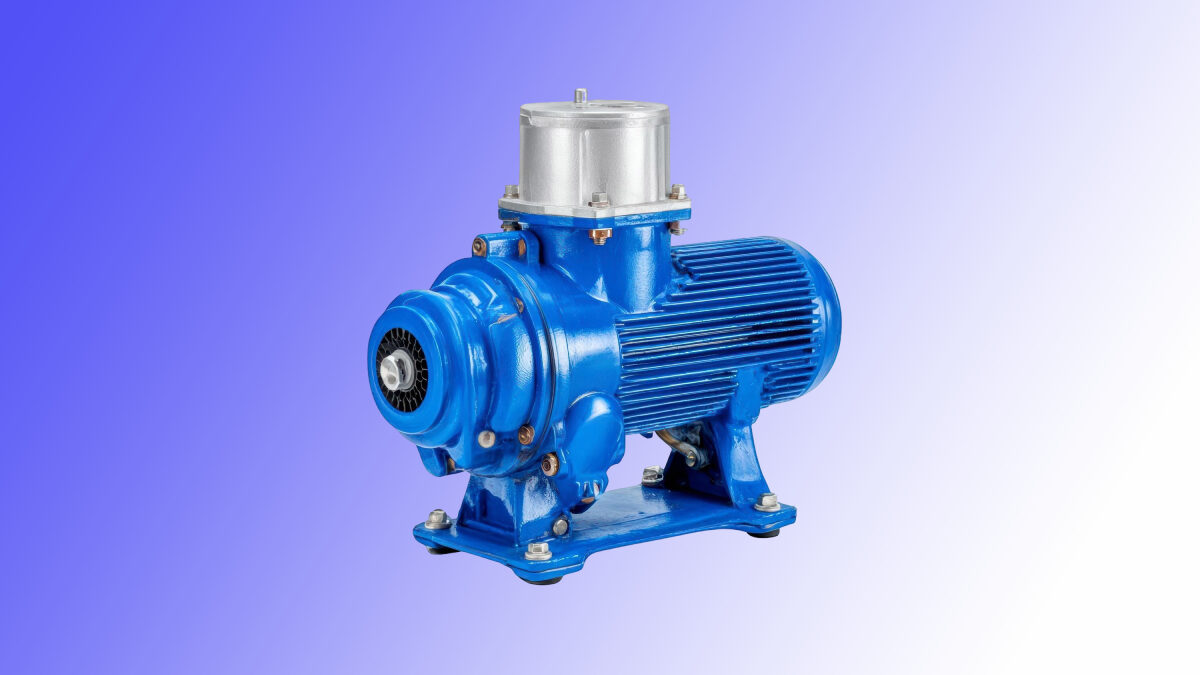

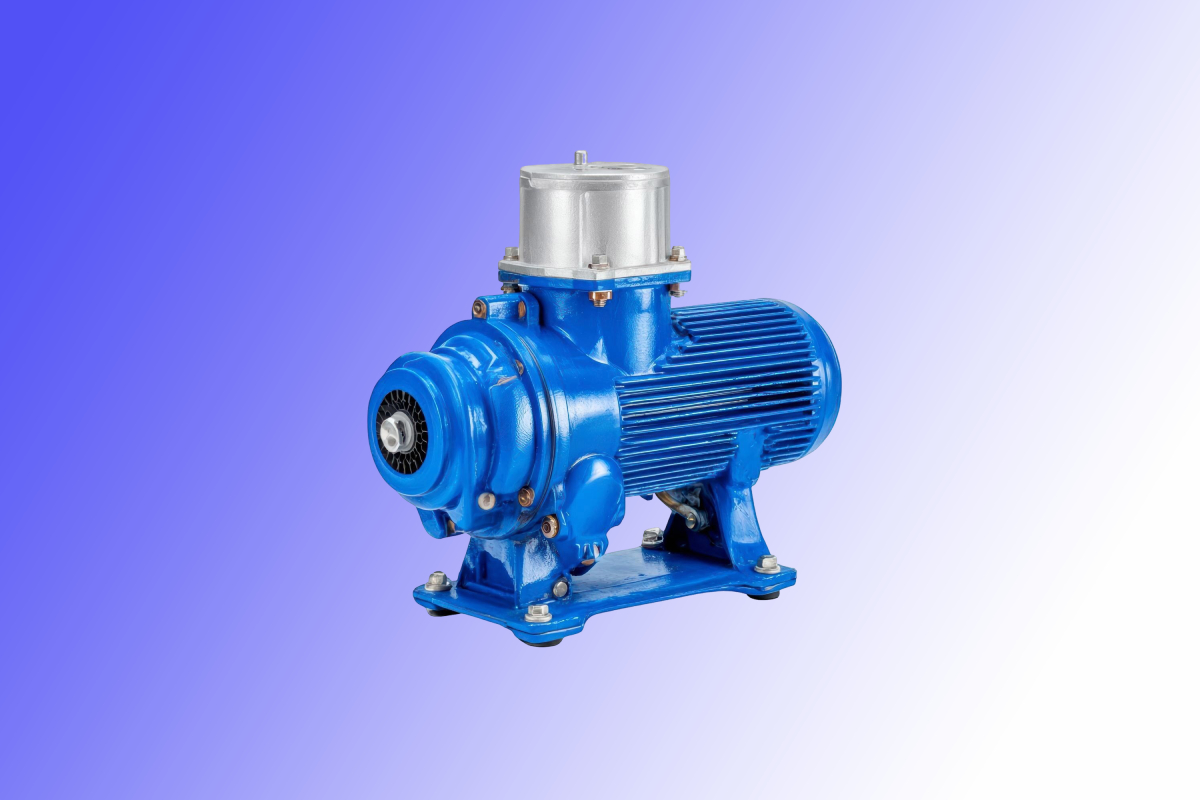
In automotive repair facilities, warehouses, and industrial maintenance depots, vehicle lifts are indispensable for servicing cars, trucks, and heavy equipment. At the heart of every hydraulic lift lies a power unit that converts electrical energy into hydraulic force. The Hydraulic Motor Pump Power Unit for Auto Lift TMG-TPL45 is a compact, self-contained system designed to provide reliable lifting power. This article examines the function, technical specifications, and safety aspects of hydraulic power units, offering guidance for procurement professionals and equipment operators who seek dependable performance.
Table of Contents
How Hydraulic Power Units Work and Where They Are Used
A hydraulic power unit typically consists of an electric motor, a hydraulic pump, a reservoir tank, and control valves. When the motor turns, it drives the pump, which draws fluid from the reservoir and pressurizes it. This pressurized fluid is then directed to lift cylinders, raising the vehicle. Common applications include:
- Two‑post and four‑post automotive lifts in service centers.
- Mobile column lifts used in truck fleets.
- Industrial work platforms and scissor lifts.
- Specialty lifts for material handling in warehouses.
Ensuring Smooth Operation and Worker Protection
A reliable power unit directly impacts workflow efficiency. Quick lifting speeds reduce vehicle turnaround time, while smooth operation prevents load sway and potential accidents. Safety features such as pressure relief valves and thermal overload protection are built into modern units to prevent system damage and operator injury. Regular maintenance of the power unit—like checking fluid levels and inspecting hoses—ensures consistent performance and extends equipment life.
Technical Specifications and Compatibility
The Hydraulic Motor Pump Power Unit for Auto Lift TMG-TPL45 is engineered to meet the demands of medium‑duty automotive lifts. Key technical parameters include:
- Motor power: Typically 3 to 5 horsepower, sufficient for lifts rated up to 10,000 pounds.
- Pump flow rate: Determines lifting speed; common ranges are 2 to 4 gallons per minute.
- Operating pressure: Up to 3,000 psi, allowing it to handle heavy vehicles.
- Tank capacity: Usually 5 to 10 gallons, ensuring adequate fluid for continuous use.
- Compatibility: Designed to work with specific lift models such as TMG-TPL45, TMG-ALT95, TMG-ALT100, and TMG-ALF90; verified through CETL certification for safety.
Environmental and Maintenance Factors
Performance of a hydraulic power unit can be influenced by several factors:
- Hydraulic fluid quality: Contaminated or incorrect viscosity oil can reduce efficiency and cause wear.
- Ambient temperature: Extreme cold thickens fluid, slowing operation; excessive heat degrades seals.
- Electrical supply: Voltage fluctuations can damage the motor; stable power is essential.
- Component wear: Over time, pump vanes, seals, and bearings wear, leading to pressure loss.
Safe Operation and Maintenance Guidelines
To ensure safe and reliable use of a hydraulic power unit, operators should follow these practices:
- Inspect all hydraulic lines and fittings monthly for leaks or abrasion.
- Maintain proper fluid level and use only recommended hydraulic oil.
- Keep the motor and electrical connections clean and dry; protect from moisture.
- Never exceed the lift’s rated capacity; the power unit is sized accordingly.
- Test pressure relief valves periodically to confirm they open at the correct pressure.
- Shut down the unit and lock out power before performing any maintenance.
- Train all operators on emergency lowering procedures in case of power failure.
Components and Accessories
A hydraulic power unit is part of a larger system. Related components include:
- Hydraulic cylinders (one or two, depending on lift design).
- Control valves (manual or solenoid‑operated) for raising and lowering.
- Hydraulic hoses and fittings rated for high pressure.
- Oil filters to maintain fluid cleanliness.
- Optional remote control pendants for operator convenience.
Pros and Cons of Dedicated Power Units
Advantages — Compact and self‑contained, easy to replace or upgrade. Provides smooth, controlled lifting. CETL certification ensures compliance with safety standards. Compatible with multiple lift models, reducing inventory complexity.
Limitations — Requires periodic maintenance (oil changes, filter replacement). Motor noise may be an issue in quiet environments. If the unit fails, the entire lift becomes inoperable until repaired. Initial cost is higher than some manual pump systems.
Case Example: Fleet Maintenance Shop Increases Uptime
A fleet maintenance facility in Ohio operated eight two‑post lifts for servicing delivery vans. One of their older power units began to lose pressure, causing slow lifting and occasional stalling. They replaced it with a new hydraulic motor pump unit compatible with their lifts. The upgrade resulted in faster lifting speeds and eliminated downtime. Mechanics reported smoother operation and fewer interruptions. The shop manager noted that the standardized unit simplified parts inventory, as it also fit other lifts in the bay.
Conclusion and Outlook for Hydraulic Power Technology
Hydraulic power units remain the backbone of most vehicle lifts in industrial settings. As technology advances, we can expect more energy‑efficient motors, integrated electronic controls for precise positioning, and remote monitoring capabilities that alert managers to potential failures. For now, selecting a reliable, certified unit and adhering to maintenance schedules ensures safe and productive operations for years to come.