
This article is part of our Business Communication & Collaboration resource section
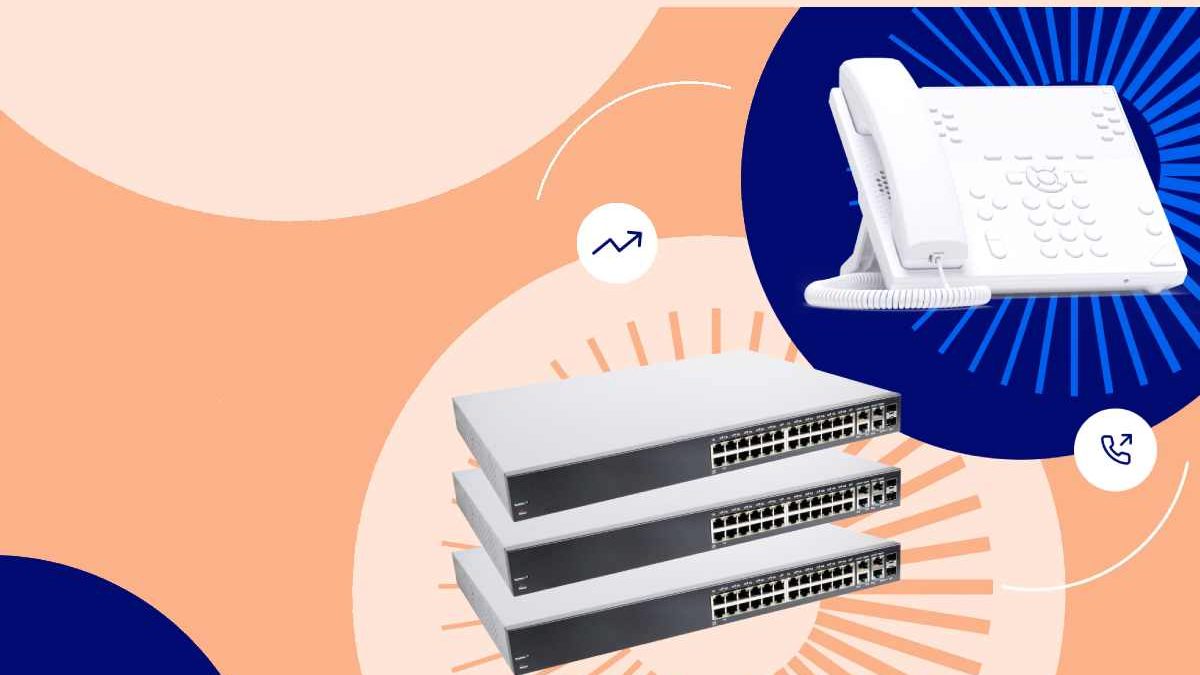
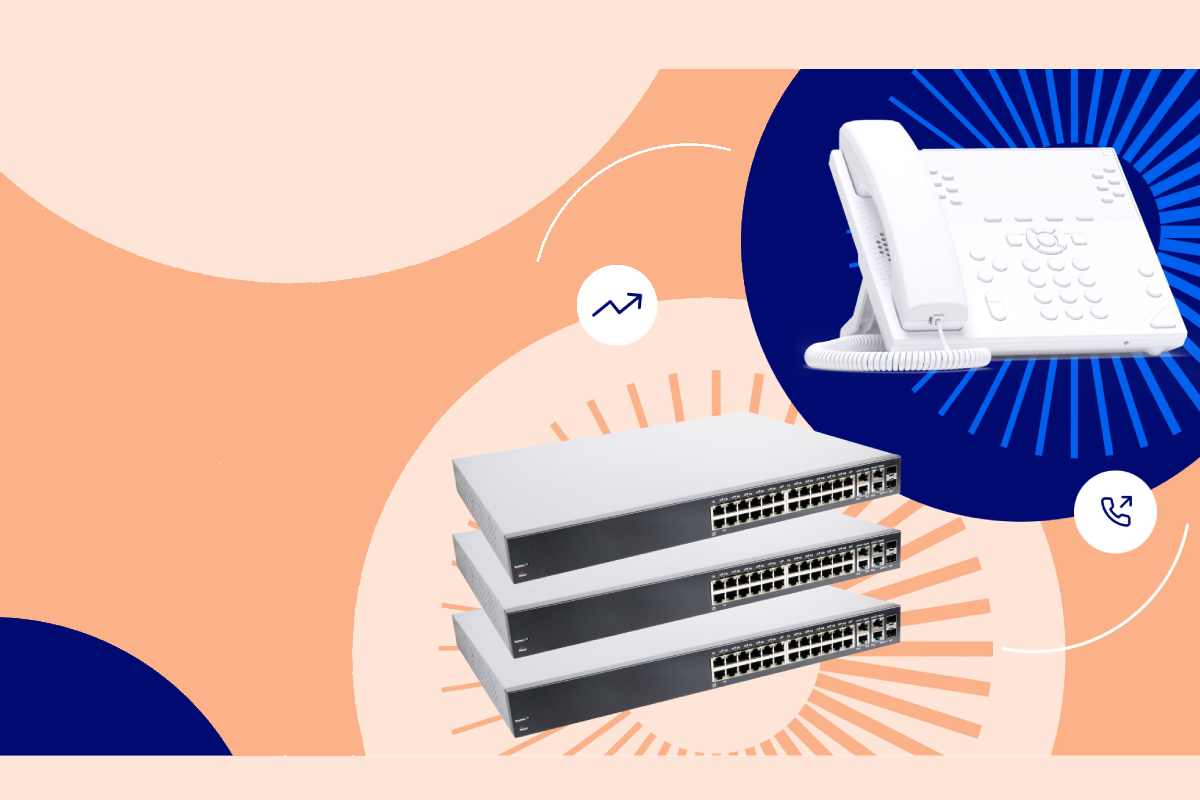
Two heavyweights are consistently battling for the top spot in the business communication arena: Private Branch Exchange (PBX) and Voice over Internet Protocol (VoIP). Both systems bring unique strengths to the table, which sparks an ongoing debate about which system comes out on top. But which phone system is right for your business?
In this article, we’ll dive right into the heart of this debate, examining the strengths and weaknesses of both. But spoiler – if you value reliability, security, and quality, the scales might favor a PBX phone system. Get ready as we embark on a journey to uncover the best communication solution for your business. Businesses considering a broader communication strategy can also explore the power of unified communications to understand how voice calls, video meetings, messaging, and collaboration tools can work together.
Table of Contents
The Reliability of PBX
PBX is a tried-and-true system that’s been around for decades. It has stood the test of time and continues to provide reliable, high-quality voice communication. Unlike VoIP, which relies on an internet connection, PBX systems use traditional landline technology. This means that even during a power outage or internet instability, your PBX system will keep you connected.
This also means that when it comes to call quality, a PBX phone system generally holds the upper hand. While VoIP quality can fluctuate based on internet speed and bandwidth, PBX offers consistently excellent call clarity. PBX is the way to go for businesses where clear, uninterrupted communication is crucial.
The Cost Factor
Financials play a significant role in choosing a communication system for your business. Initially, Private Branch Exchange (PBX) systems may seem to be more expensive compared with Voice over Internet Protocol (VoIP) options. However, PBX systems are typically more cost-effective in the long run.
With PBX systems, you will be financially freed from the pesky service charges that come with service providers. Instead of renting equipment and paying monthly fees, you will own the hardware and networking, which translates into additional savings. PBX phone system maintenance expenses have also seen a significant decline over time. Although PBX might require a slightly heavier initial investment, its long-term return on investment is more profitable compared to VoIP alternatives.
Businesses comparing internet-based calling solutions can review available VoIP systems for businesses to evaluate features, pricing, infrastructure requirements, and ongoing maintenance costs before making a decision.
Tailored to Your Business Needs
Imagine a communication system that can adapt and grow with your business as it evolves. This is the promise of Private Branch Exchange (PBX), which is known for its flexibility and compatibility. Whether you run a new start-up or a thriving corporation, PBX can seamlessly customize itself to meet your unique needs.
With a PBX phone system, you can easily add new lines or integrate special features or extensions as your team expands. Instead of settling for a cheap and basic solution, you now have the opportunity to embrace a system that can organically evolve with your business. Get ready to transform your communication capabilities by adopting PBX, which is built with scalability in mind, making it a reliable tool for businesses that are constantly growing and reaching new heights.
Small companies weighing their options can explore VoIP systems for small business organizations to understand how internet-based phone services may suit their budgets, team sizes, and future growth plans.
Conclusion: Why PBX Rises Above The Rest
Although VoIP has gained attention due to it being an internet-based service and perceived cost-effectiveness, PBX still dominates in many sectors. PBX is highly praised for its exceptional reliability, call clarity, and seamless integration with existing systems. Ultimately, it’s important to choose a platform that enhances and streamlines daily operations. In this regard, a PBX phone system demonstrates unparalleled effectiveness, establishing its dominance in the realm of business communication.
Before making a final decision, businesses should understand the difference between VoIP and PBX to compare infrastructure, call management, costs, and operational requirements.
Organizations considering an internet-based alternative can also review why businesses should switch to VoIP to assess the potential benefits for remote access, flexibility, and day-to-day communication. For a broader overview of the practical advantages, read about the amazing business benefits of VoIP.