
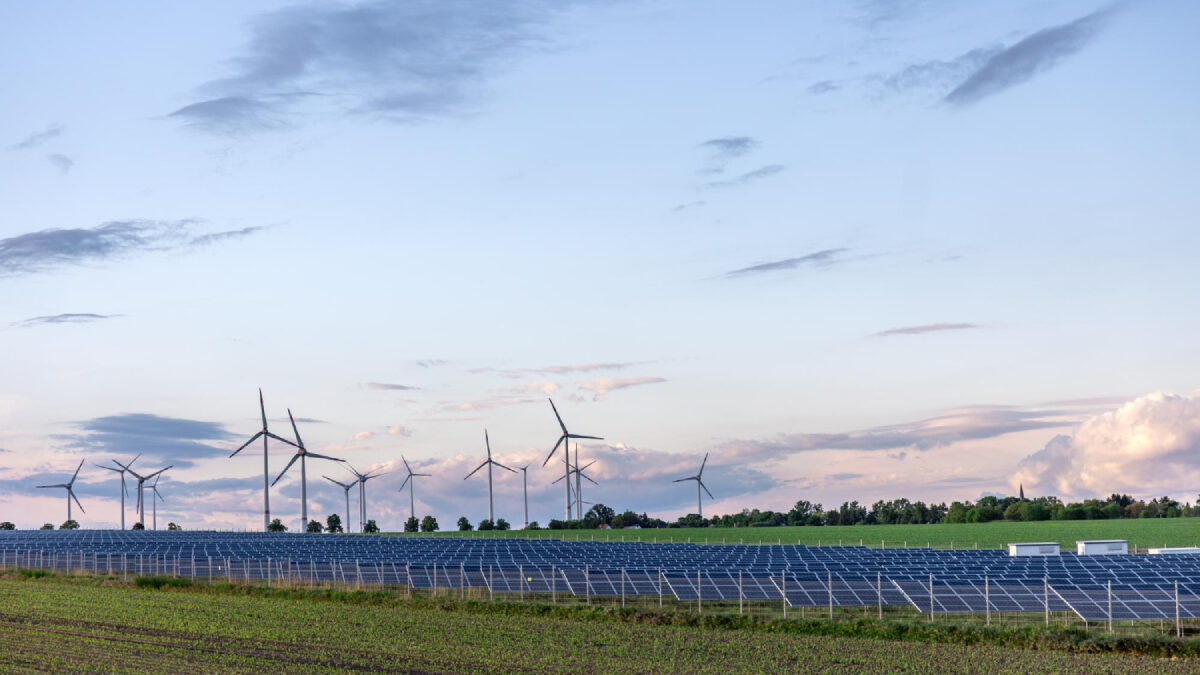

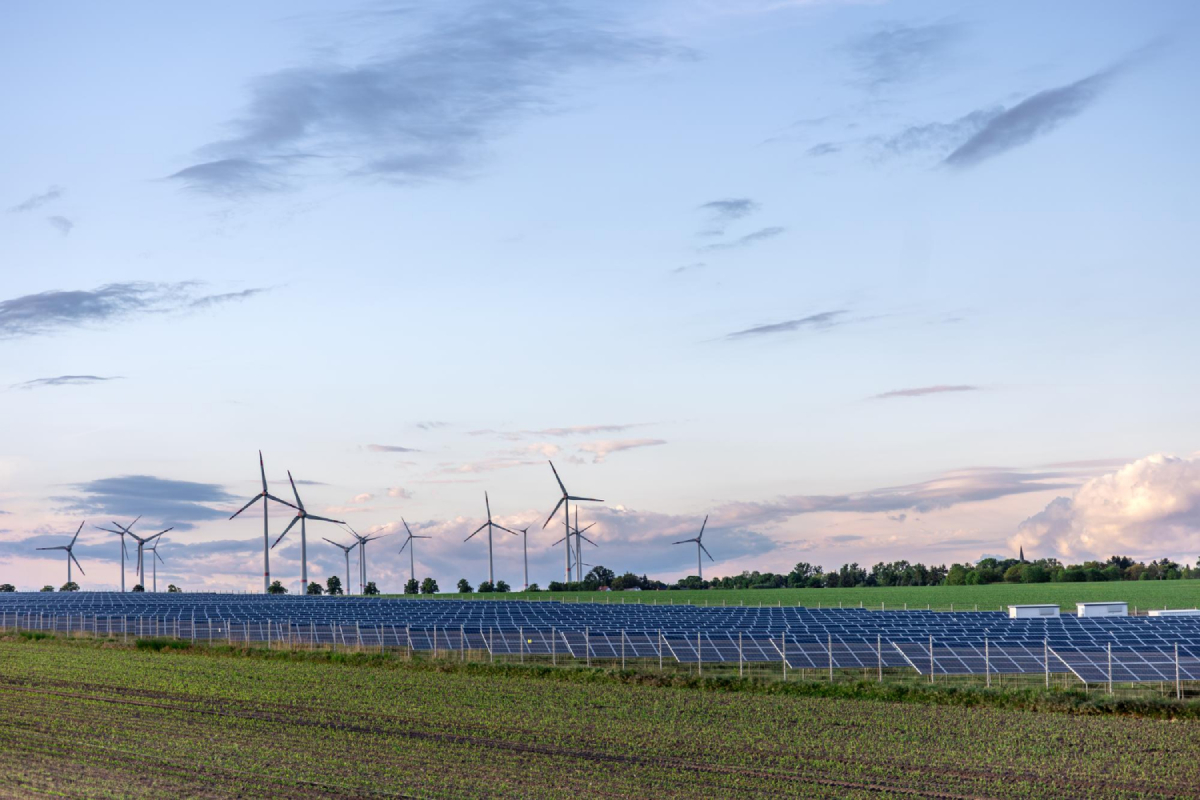
Agri-photovoltaics is a combination of electricity generation and the use of agricultural land. Can this bring about the energy transition? Here you can find out everything you need to know about agri-photovoltaics and how they give you enough electricity to play bizzocasino.com.
Agri-photovoltaics, also known as agrophotovoltaics, describes the dual use of agricultural land. This means that renewable electricity is generated on the land using photovoltaic systems without losing fertile farmland for food production. This is because the land can still be used under or between the panels. This increases overall land efficiency. The agricultural use of the land should be the primary focus.
This dual use is intended to advance the energy transition. We have looked at the state of research and the current situation in Germany. We also highlight the challenges that need to be overcome.
Table of Contents
Models of agri-photovoltaics
There are two basic models in agri-photovoltaics. Agri-photovoltaics can be divided into two established types:
Horizontal agri-photovoltaics
Here, the agricultural land is used on two levels:
Agriculture is practiced on the ground.
Above it, PV modules are mounted on a frame.
This creates a “second level” for solar power. The loss of space due to the frames for the photovoltaic modules is minimal.
Vertical agri-photovoltaics
Here, the photovoltaic modules are installed vertically, using what are known as bifacial modules. This means that they can absorb sunlight from both sides. The areas between the photovoltaic panels can be used normally. The vertical panels can also be used as fences for pasture land.
In addition to these two categories, there are also:
Tracker systems that follow the position of the sun
(Partially) transparent modules that are installed on the roofs of greenhouses or simply on apartment windows, for example. These also include photovoltaic windows.
Floating PV, i.e., floating photovoltaics on agricultural water areas.
PV greenhouses as a combination of energy and plant production under controlled conditions.
In addition, the systems can be divided into closed and open systems. A PV greenhouse, for example, is a closed system, while solar modules above pasture or arable land form open systems: they allow light and precipitation to pass through.
Why agri-photovoltaics?
In order to advance the energy transition, a massive expansion of solar power production is necessary. Conventional photovoltaic systems on agricultural land can result in the loss of valuable natural resources. Even though we now know that solar parks can also greatly promote biodiversity, agricultural land is limited and valuable. We must therefore choose a solution that serves both energy production and land conservation.
Agri-photovoltaics can solve this problem: it allows both food and electricity to be produced on the same area of land. This increases the efficiency of every piece of agricultural land.
Further advantages of agri-photovoltaics:
- Protection of agricultural products: fruit and vegetables are better protected from hail, drought, and frost by the photovoltaic panels, which act as a roof. This also reduces or completely avoids crop failures during increasingly frequent periods of drought.
- Lower irrigation requirements: The partial shading provided by the photovoltaic panels reduces irrigation requirements, as the soil does not dry out as quickly.
- Less soil erosion due to wind: The photovoltaic systems automatically slow down strong gusts of wind. This means that less soil material is carried away by the wind. Soil erosion is thus avoided, which preserves soil quality in the long term.
- Dual use of photovoltaic structures: Many fruit, vegetable, and specialty crops, such as hops, require structures to support the plants. In agri-photovoltaic systems, the photovoltaic structures can serve this purpose, or even as fences for animals.
- Potential for self-sufficient agriculture: Agricultural businesses can reduce their costs and become self-sufficient by consuming the electricity they generate themselves.
- Source of income for farmers: Farmers can sell any electricity they do not need themselves at a profit.
According to the Fraunhofer Institute for Solar Energy Systems (ISE), the photovoltaic capacity installed in Germany is set to increase eightfold to tenfold between 2024 and 2050. This would not only advance the energy transition but also contribute to climate protection. At the same time, integrated photovoltaic systems can protect plants and soil from negative environmental influences.
Challenges of agri-photovoltaics
The machines must fit under or between the panels. There are also some challenges in the field of agri-photovoltaics.
Landscape and acceptance
Agri-photovoltaics are changing the landscape. This could be a disadvantage, especially in tourist areas. However, unlike traditional ground-mounted photovoltaic systems, where the entire area is “paved” with panels, agri-photovoltaic installations are not as concentrated.
This raises the question of what is more important to us: the landscape or the switch to renewable energies? If agri-photovoltaic systems are designed to fit into the landscape, greater acceptance can be expected.
Economic efficiency
We need more empirical data on when and under what circumstances agri-photovoltaics are also economically viable. This depends on many factors that must be carefully examined on a case-by-case basis.