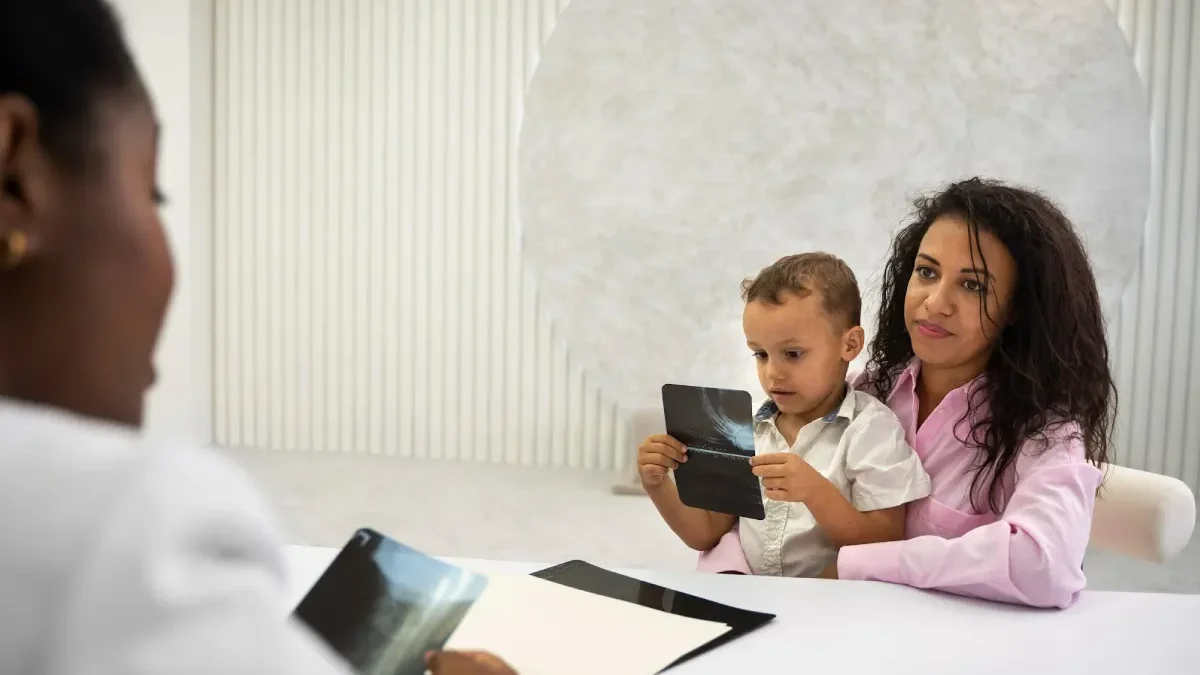


Caring for a child with a birth injury is often a long journey towards recovery, as many families spend years attending medical appointments, therapy sessions, and regular checkups as their child grows and needs change.
While in person care remains essential, technology is making it easier for families to stay connected with healthcare professionals without always traveling to a hospital or specialist’s office. This article will focus on how telehealth has become an important part of care and how it helps families manage ongoing treatment more effectively.
Table of Contents
Why Long Term Birth Injury Care Requires Consistent Support
Children with birth injuries usually require different types of care throughout their lives. Depending on the injury, they may work with pediatricians, neurologists, or physical therapists. However, coordinating these services can be challenging, particularly for families living far from specialized medical centers.
Long term care is not only about treating symptoms because it also involves monitoring developmental progress, adjusting therapy plans, answers, and helping families adapt to changing circumstances.
Telehealth does not replace these services, but it helps maintain regular communication between appointments, making ongoing care more manageable. Below are more highlights on its importance and how it helps families:
1. Telehealth Makes Specialist Care More Accessible
One of the greatest advantages of telehealth is improved access to specialists. Many families live hours away from hospitals that provide pediatric rehabilitation, causing travel to be physically exhausting, financially demanding, and difficult to balance with family responsibilities.
On the other hand, virtual appointments reduce some of these burdens by allowing families to speak directly with healthcare providers from home when an in person examination is not necessary.
In addition, follow up consultations, medication reviews, and treatment planning often work well through secure video visits, giving families faster access to professional guidance without spending an entire day traveling.
2. Better Communication Helps Families Make Informed Decisions
A child may begin experiencing new symptoms, respond differently to therapy, or reach developmental milestones that create additional concerns, so instead of waiting months for another appointment, telehealth provides opportunities for earlier conversations with healthcare providers.
Families looking for educational information may also review trusted resources outside scheduled appointments. For instance, information available at https://www.childbirthinjuries.com/ can teach you to understand birth injuries better and prepare questions for future discussions before an appointment.
However, resources like these should complement, rather than replace advice from qualified medical professionals who understand a child’s situation, because better communication allows parents to feel more confident as active participants in long term care decisions.
3. Therapy Can Continue Between Clinic Visits
Consistent therapy is often one of the most important parts of long term recovery and development, which means that access to telehealth allows therapists to observe how children perform exercises within their own home environment rather than only inside a clinic.
This provides valuable insight into how mobility, communication, or daily living skills translate into everyday life. Aside from this, therapists can also demonstrate activities, watch caregivers perform exercises, suggest modifications, and answer questions immediately.
These virtual sessions do not replace hands-on therapy when physical assistance is required, but they often strengthen continuity between scheduled in person appointments. Families also gain greater confidence because they receive guidance while practicing therapy routines in familiar surroundings.
Endnote
Telehealth is changing birth injury care by making specialist guidance more accessible, improving communication, and helping families stay actively involved in treatment. While it cannot replace every in person appointment, it has become an important tool for supporting consistent care and helping children receive the ongoing attention they need to reach their fullest potential.
Also Read: Why OTP Codes Go Missing When You Switch Devices or Countries