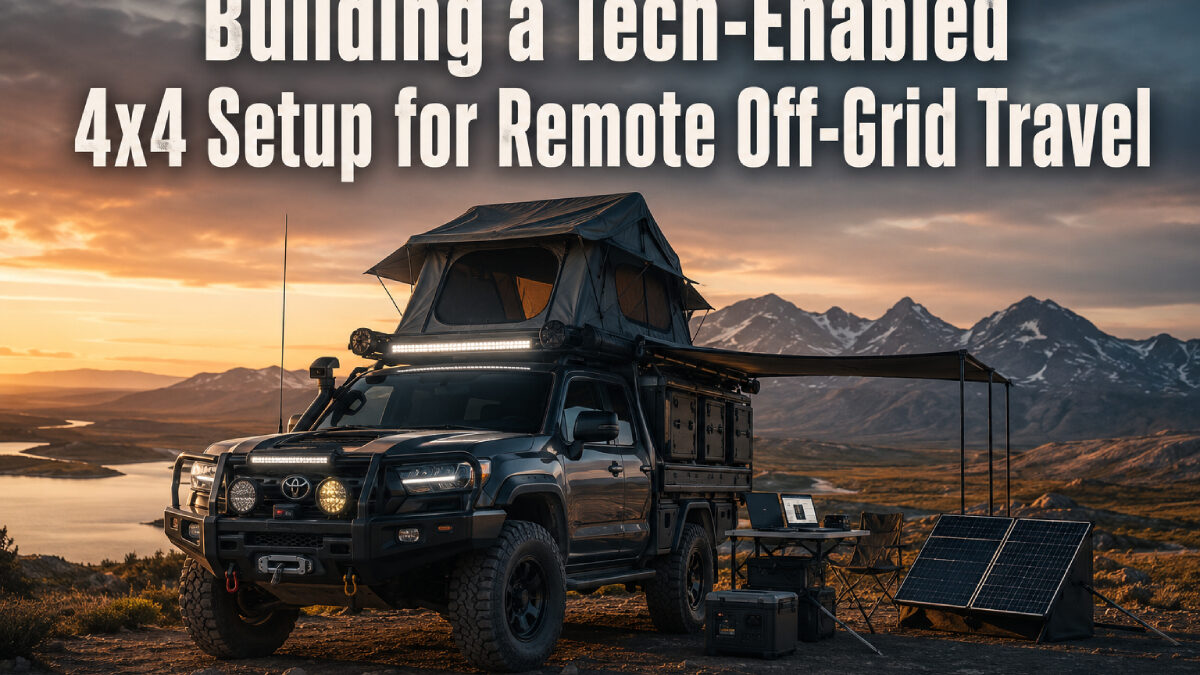

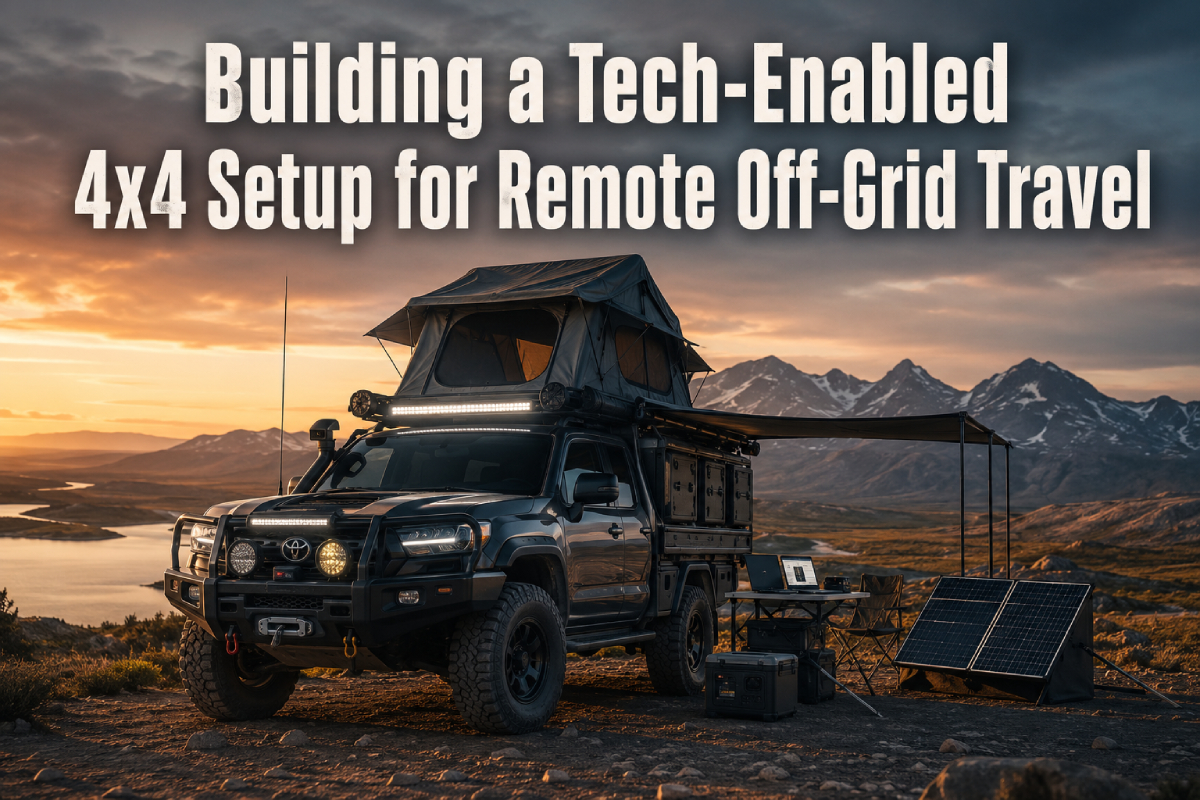
Building a Tech-Enabled 4×4 Setup for Remote Off-Grid Travel
The Australian outback has long been the ultimate proving ground for off-road enthusiasts. However, the days of relying solely on mechanical grit, paper maps, and a simple compass are fading fast. Today, remote travel is undergoing a massive digital transformation. Millions of remote workers now identify as digital nomads, and a significant majority are formally employed professionals rather than freelancers. This permanent shift toward location-independent work requires modern vehicles to act as self-contained mobile micro-economies. Modern 4×4 builds are heavily reliant on sophisticated electronics, advanced satellite communication, and robust energy systems, transforming rugged vehicles into smart, tech-enabled hubs.
Protecting Sensitive Tech in the Outback
Bringing delicate circuit boards, inverters, and battery management systems into harsh environments poses a major logistical challenge. The recently updated Australian standard for Ingress Protection serves as a critical metric for off-grid builds. Equipment rated at IP65 or IP67 guarantees resistance against the incredibly fine red dust and deep river crossings that define traditional outback touring. However, IP ratings alone cannot save your gear from severe vibrations, corrugations, and relentless sun exposure.
To truly protect an expensive electronic ecosystem, you need a heavy-duty storage solution. Mounting complex electrical boards requires a fully sealed and weatherproof environment that acts as the backbone of your build. Integrating a premium landcruiser canopy into your vehicle provides the ultimate structural foundation. This customised enclosure allows you to permanently mount your solar regulators, lithium batteries, and power inverters behind a sealed, dust-proof barrier, providing easy access to all your digital controls while surviving the toughest conditions.
The Foundation of Mobile Power Management
Running laptops, satellite dishes, and smart lighting in the middle of nowhere demands a serious power ecosystem. Traditional lead-acid batteries are rapidly being replaced by Lithium Iron Phosphate (LiFePO4) systems. These modern lithium setups provide up to 100 percent usable capacity without sustaining damage, and they offer a massive weight reduction for heavy 4×4 builds. A modern 100Ah lithium battery can weigh as little as 10 to 14 kilograms compared to the hefty 25 to 30 kilograms of older AGM alternatives.
Because these setups now power everything from portable fridges to complex communication arrays, maintaining uninterrupted power is critical. This means keeping a close eye on your system’s overall performance. Relying on a dependable dual-battery system and devices that help you monitor real-time battery voltage ensures you never wake up to a completely drained electrical system in an isolated location. A well-designed setup isolates the vehicle’s starter battery from your auxiliary tech gear, granting complete peace of mind when venturing far off the beaten track.
Essential Tech Upgrades for the Modern Overlander
Once your power supply and storage solutions are physically secure, the focus shifts to connectivity and smart integrations. Remote internet access has completely revolutionised outback travel. With real-world satellite internet speeds averaging around 200 Mbps in vast, underserved areas, enterprise-level remote work is now entirely viable from the driver’s seat of a four-wheel drive.
The global automotive aftermarket industry is pivoting rapidly to support this new wave of high-tech exploration. A recent industry report highlights that the overlanding accessories market is surging toward $7.1 billion by 2034, a growth heavily driven by the integration of smart electronics, app-controlled lighting rigs, and solar-compatible power management ecosystems.
When planning a tech-enabled setup, consider incorporating the following modern upgrades:
- High-efficiency solar blankets that can be deployed remotely to capture maximum sunlight while the vehicle stays parked in the shade.
- App-enabled battery management systems that send charging metrics and power usage history directly to your smartphone via Bluetooth.
- Hard-mounted satellite internet receivers integrated directly into the vehicle’s roof rack for uninterrupted broadband on the move.
- Smart LED camp lighting ecosystems that can be dimmed, zoned, or colour-adjusted through a centralised digital control panel.
Building a capable off-grid vehicle is no longer just about suspension lifts and aggressive mud tyres. It is about creating a balanced synergy between rugged mechanical engineering and sophisticated modern electronics. By prioritising advanced power management, securing your gear in weatherproof storage, and embracing smart satellite connectivity, you can explore the most isolated corners of Australia without ever losing touch with the modern world.