

This article is part of our Gadget Guides & Consumer Electronics resource section
Table of Contents
Definition Gadget
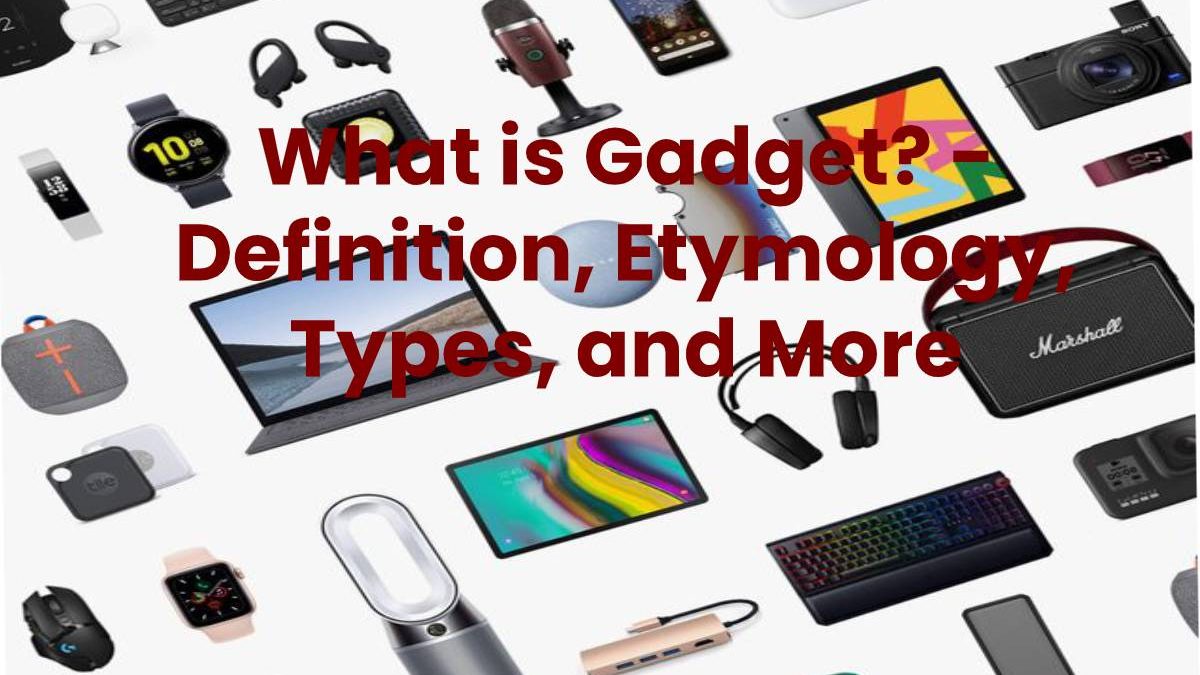
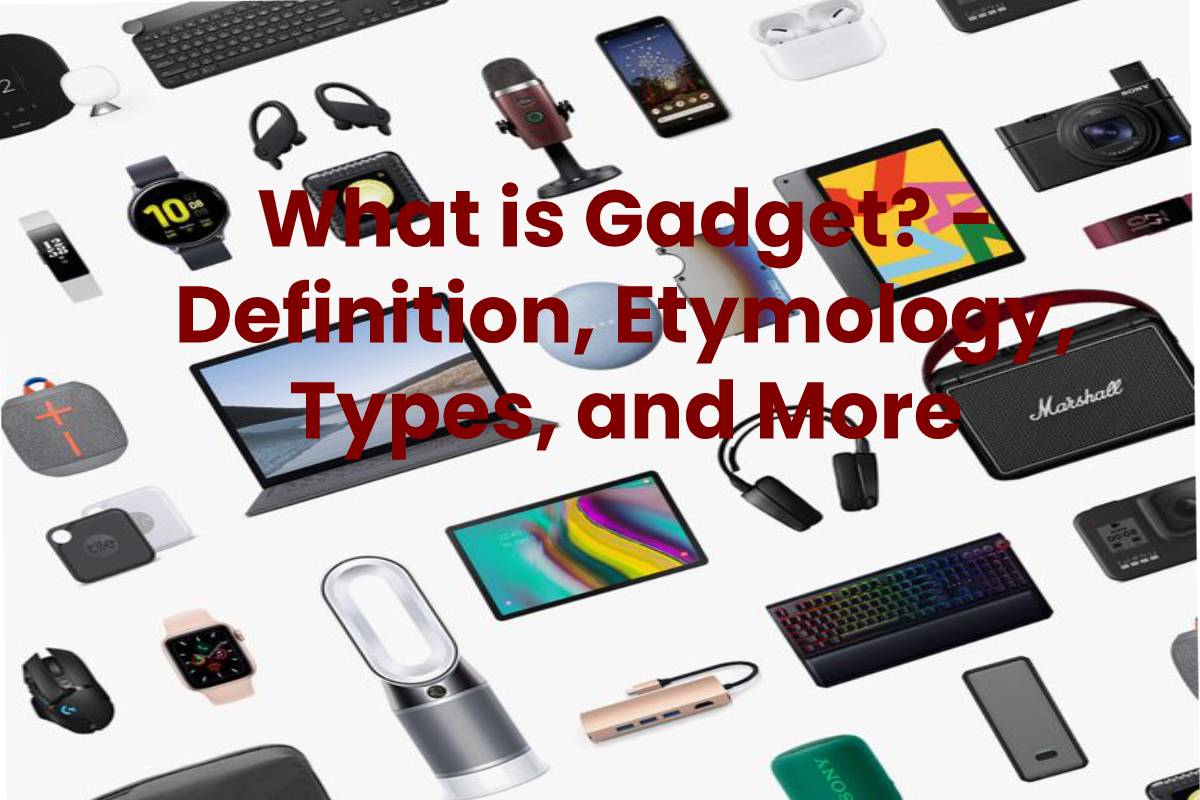
A gadget is a hardware device or accessory that makes your life more comfortable or more enjoyable. Gadgets are also familiar as gizmos. If you look around you, surely have some at hand.
The Etymology of the word gadget
Although there are several theories about the etymology of the term gadget the most popular goes back to the years 1884-1885, when the French company that was responsible for the founding of the Statue of Liberty, “Gadget, Gauthier & Cia,” decided to sell miniature replicas of the monument to finance the project.
There is another theory that says, in the field of navigation, which ensures that it comes from the Francophone terms gâchette or gagé. In any case, the term began to use and became popular in Anglo-Saxon countries in the 1980s.
Gadgets and popular culture
Also, non-English speaking countries use the word gadget. For example, in France and other European countries, it was extending through the animation series “Inspector Gadget.”
Whose protagonist, a clumsy and clueless detective, equippes with endless gadgets that came out of his hat like a hand with an umbrella (gadgetoparaguas) or a radar (gadgetoradar).
Also, in movies like “James Bond” or in the series “Batman” and “Iron Man,” we see how the protagonists are always dependent on their equipment and gadgets. On the Internet, there are also multiple websites and blogs dedicated to the world of gizmos. Another word that many Internet users use to refer to a gadget.
Types of gadgets
All kinds of technological devices such as iPod mobiles, or PDAs electronic gadgets such as radios. And devices with integrated circuits, mechanics such as
- bikes,
- watches,
- thermometers or computers,
- mini-applications called Widgets that facilitate access to frequently used functions are examples of gadgets.
Advantages and disadvantages
Advantages of Electronic Gadgets
Electronic gadgets have revolutionized the way we communicate, work, play, shop. The benefits of electronic gadgets are they make our lives simpler and more comfortable.
Gadgets help us stay connected by giving access to email,
- text messages,
- phone services,
- video chat, and social media. Electronic devices have changed the world of shopping by allowing online shoppers to buy millions of products with the tap of a finger.
Disadvantages of Electronic Gadgets
The production and disposal of these devices have a significant effect on the global environment. Many devices contain hazardous materials that can contaminate soil if not disposed of properly.
Different Categories of Modern Gadgets
Gadgets have developed far beyond simple electronic accessories. Today, they include devices designed for communication, entertainment, health, productivity, home management, and personal convenience. Understanding these categories makes it easier to identify which products are useful and which are simply attractive additions to an already crowded market.
1. Communication Gadgets
Communication gadgets help people stay connected regardless of distance. Smartphones are the most familiar example, but the category also includes tablets, wireless headsets, webcams, portable microphones, and video-conferencing equipment.
These devices are useful for personal communication as well as professional work. A smartphone can handle calls, messages, email, navigation, photography, and online transactions. A good headset can improve call quality in a noisy environment, while a webcam and microphone can make remote meetings more effective.
When choosing communication gadgets, consider battery life, microphone quality, compatibility, network support, and security updates. A device that performs reliably over several years is generally a better investment than one with impressive specifications but limited practical support.
2. Smart Home Gadgets
Smart home gadgets are designed to make everyday household tasks easier through automation and remote control. Examples include smart lights, connected plugs, video doorbells, security cameras, smart thermostats, and voice-controlled speakers.
These devices can help homeowners manage lighting, monitor entrances, control appliances, and check certain household conditions through a smartphone or voice assistant. For example, smart plugs can allow compatible appliances to be switched on or off remotely, while smart cameras can provide alerts when movement is detected.
However, smart home products should be selected carefully. Check whether they work with your existing Wi-Fi network and whether they require a separate hub or subscription. Security is equally important. Change default passwords, install firmware updates, and use strong authentication wherever available.
A connected home is most useful when the devices work together reliably rather than requiring several unrelated applications and accounts.
3. Entertainment Gadgets
Entertainment gadgets make it easier to enjoy music, films, games, and digital content. This category includes smart TVs, streaming devices, gaming consoles, Bluetooth speakers, wireless headphones, portable projectors, and e-readers.
The right choice depends on how you spend your leisure time. Someone who regularly watches films may benefit from a streaming device or a quality television. A music enthusiast may prefer headphones with comfortable ear cushions and good sound reproduction. Gamers may prioritize display refresh rates, controller responsiveness, storage, and processing performance.
Before buying entertainment equipment, consider the services and devices you already own. A streaming player should support the applications you use, while wireless headphones should be compatible with your phone, computer, or television.
4. Health and Fitness Gadgets
Health and fitness gadgets help users monitor physical activity and certain health-related measurements. Popular examples include fitness bands, smartwatches, digital weighing scales, heart-rate monitors, and activity trackers.
Depending on the model, these devices can record steps, estimate distance, monitor exercise sessions, track sleep patterns, and display heart-rate information. Some smartwatches also provide notifications, emergency features, and access to fitness applications.
It is important to understand their limitations. Consumer fitness gadgets are not substitutes for professional medical equipment or a doctor’s assessment. Their measurements may vary depending on the device, how it is worn, and the activity being performed.
For everyday fitness tracking, prioritize comfort, battery life, sensor consistency, water resistance, and compatibility with your smartphone. Choose features that support your actual routine rather than paying extra for functions you are unlikely to use.
5. Productivity and Office Gadgets
Productivity gadgets help people complete tasks more efficiently at work, at home, or while studying. Examples include wireless keyboards, ergonomic mice, portable monitors, docking stations, external storage drives, USB hubs, and noise-cancelling headphones.
A portable monitor can provide additional screen space for someone who works with spreadsheets or multiple applications. A docking station can simplify the process of connecting a laptop to external displays, keyboards, and other accessories. External storage devices can help users keep backups of important files.
Compatibility is particularly important in this category. Check connection standards, supported operating systems, power requirements, and data-transfer speeds. A product may look suitable but still fail to support the ports or features available on your computer.
For people who work remotely or study online, a few well-chosen productivity gadgets can make a noticeable difference to comfort and efficiency.
Popular Tech Gadgets and Their Everyday Uses
Technology has made gadgets smaller, more connected, and easier to carry. Some products solve specific problems, while others combine several functions into one device. The most useful gadgets are not necessarily the most expensive or advanced; they are the ones that fit naturally into everyday activities.
Some popular examples include:
- Wireless earbuds: Useful for calls, music, podcasts, and online meetings without being connected to a phone by a cable.
- Power banks: Provide additional battery capacity when a wall socket is unavailable. Capacity, charging speed, and device compatibility are important considerations.
- Portable SSDs: Offer compact storage for photographs, videos, documents, and backups. They are particularly useful for people who work across multiple computers.
- Smartwatches: Combine notifications, activity tracking, and selected smartphone functions on the wrist.
- Streaming devices: Allow compatible televisions to access online video and music services.
- Bluetooth trackers: Help locate keys, bags, and other frequently misplaced belongings, subject to the tracker’s network and operating-system compatibility.
- E-readers: Provide a convenient way to carry and read digital books without relying on a conventional tablet.
- Portable projectors: Make it possible to display compatible content on a larger surface, although brightness and room lighting affect the viewing experience.
If you want to explore more products in this category, browse our collection of tech gadgets for ideas, product information, and technology-related accessories.
How to Choose the Right Gadget
Buying a gadget should begin with a clear understanding of what you need it to do. Product advertisements often highlight impressive features, but not every feature will be useful in everyday situations. A simple evaluation can prevent unnecessary spending.
Identify the Problem You Want to Solve
Start by asking yourself why you need the device. Are you trying to improve productivity, simplify household tasks, stay connected, monitor physical activity, or enjoy entertainment?
For example, if your phone battery regularly runs out while travelling, a reliable power bank may be more useful than a new smartwatch. If you frequently attend online meetings, a quality headset may provide greater value than an expensive set of speakers.
Defining the problem first helps narrow down your options and keeps the purchase focused.
Check Compatibility
A gadget should work with the devices and software you already use. Check supported operating systems, connection types, wireless standards, charging requirements, and application availability.
For example, some smart accessories work only with specific smartphone platforms. Others may require a particular version of Bluetooth or a dedicated application. Check these requirements before placing an order to avoid compatibility problems.
Compare Essential Specifications
Focus on specifications that directly affect performance. For a power bank, capacity and charging output matter. For wireless headphones, battery life, comfort, microphone quality, and connectivity are important. For a portable storage device, capacity, transfer speed, and durability should influence your decision.
Avoid choosing a product based only on a large specification number. Consider how the manufacturer measures performance and whether the feature makes a practical difference.
Consider Build Quality and Warranty
A gadget that is used every day should be able to withstand normal handling. Examine the materials, buttons, connectors, hinges, cables, and overall construction. For portable products, consider weight and protection against dust or water if these are relevant to your use.
Check the warranty period, service arrangements, and availability of replacement parts. A reliable warranty can be especially valuable for products with batteries, screens, or moving components.
Read Reviews Carefully
Customer reviews can reveal practical problems that may not appear in product descriptions. Look for repeated comments about battery performance, software issues, connection failures, durability, and after-sales service.
Do not rely on one extremely positive or negative review. Compare feedback from multiple sources and pay attention to reviews from people who have used the product for a reasonable period.
What to Check Before Buying Gadgets Online
Online shopping provides access to a wide range of electronic products, often with more choices than a local store. However, product photographs and attractive discounts do not guarantee that an item is genuine, compatible, or worth the asking price.
Before ordering, verify the seller’s reputation, product specifications, return policy, warranty coverage, and total price. Make sure the product listing identifies the exact model and includes the accessories supplied in the package.
You should also check whether the warranty is provided by the manufacturer or the seller, and whether it is valid in your country. Imported gadgets may have different charging standards, regional restrictions, or limited local service support.
For a more detailed purchasing checklist, read our guide on six things you should always check before buying electronics online. Taking a few minutes to verify these details can help prevent problems with counterfeit products, misleading listings, and difficult returns.
Eco-Friendly Gadgets and Sustainable Technology
Electronic gadgets offer convenience, but their environmental impact should not be ignored. Manufacturing requires raw materials, energy, packaging, and transportation. When devices are discarded, electronic waste can create additional environmental problems if it is not handled correctly.
Eco-friendly gadgets are designed, manufactured, or used with greater consideration for environmental impact. This may involve energy-efficient operation, recyclable materials, replaceable batteries, durable construction, reduced packaging, or repair-friendly designs.
A sustainable purchase is not necessarily one that carries an environmental label. Look at the complete product lifecycle, including how long the device is expected to last, whether replacement parts are available, and what happens when it stops working.
Choose Energy-Efficient Devices
Devices that consume less electricity during normal operation can help reduce energy use over time. Look for energy-efficiency information where available and check whether the product offers power-saving settings.
For household gadgets that remain connected throughout the day, standby consumption is also worth considering. A collection of devices that constantly draw power can add to overall household electricity use.
Prefer Durable and Repairable Products
A gadget that lasts longer can reduce the need for frequent replacement. Check whether the manufacturer offers replacement batteries, cables, chargers, or other commonly worn components.
Repairability is especially important for products that contain rechargeable batteries. If a battery cannot be replaced and the device becomes unusable after its battery deteriorates, the entire product may end up being discarded.
Dispose of Electronic Waste Responsibly
Old phones, batteries, chargers, cables, and other electronic products should not automatically be treated as ordinary household waste. Some contain materials that require appropriate handling and recycling.
Where possible, use authorized electronic-waste collection or recycling services. Before handing over an old smartphone or computer, back up important information, sign out of accounts, and securely erase personal data.
To understand this category in greater detail, explore our guide to ecological gadgets, which focuses on gadgets and technology with environmental considerations.
Gadgets for Travel and Outdoor Activities
Travel gadgets are designed to make journeys more convenient, organized, and comfortable. They can help travellers keep their devices charged, protect personal belongings, navigate unfamiliar places, and manage important documents.
A few useful examples include:
- Universal travel adapters: Help connect compatible devices to different electrical socket types. Always check voltage compatibility as well as plug design.
- Power banks: Provide backup charging when travelling between destinations. Check airline restrictions on battery capacity before flying.
- Noise-cancelling headphones: Can make long journeys more comfortable by reducing certain background sounds.
- Bluetooth trackers: Help locate luggage, keys, and personal belongings, depending on network coverage and device compatibility.
- Portable Wi-Fi devices: Provide internet access through supported mobile networks, although coverage and data charges vary.
- Compact travel chargers: Reduce the number of separate charging accessories needed when carrying multiple devices.
- E-readers: Allow travellers to carry books and reading material without adding much weight to their luggage.
When selecting travel gadgets, prioritize portability, battery life, durability, and ease of use. A compact device that performs reliably is often more practical than a larger product with features you rarely need.
It is also worth considering security. Avoid leaving expensive gadgets unattended, use screen locks and device tracking features, and keep backups of important travel documents. When connecting to public Wi-Fi, be cautious with sensitive accounts and transactions.
If you regularly travel, our collection of gadgets for travel can help you discover useful accessories for different types of journeys.
How Gadgets Have Changed Everyday Life
Gadgets have influenced how people communicate, work, learn, shop, and manage their homes. Tasks that once required several separate devices can now be handled through a smartphone or a connected accessory.
In education, tablets and laptops provide access to digital learning resources, online classes, and interactive applications. Students can store notes, research topics, and collaborate with classmates without carrying large amounts of printed material.
In workplaces, connected devices support remote communication, digital collaboration, and flexible working arrangements. Video-conferencing equipment, wireless accessories, and portable storage help employees work from different locations.
In households, smart appliances and connected sensors can provide more control over lighting, security, and energy use. Entertainment gadgets have also changed how people access films, music, games, and other digital content.
However, greater convenience also creates a need for responsible use. Too much screen time, constant notifications, and unnecessary device upgrades can become distractions. The best approach is to use technology intentionally and select gadgets that support your activities rather than dominate them.
Common Mistakes to Avoid When Buying Gadgets
Even experienced technology users can make poor purchasing decisions when they focus too heavily on specifications, discounts, or brand popularity. Avoid these common mistakes:
Buying features you do not need: A product with more functions is not automatically better. Extra features can increase the price and make a device more complicated to use.
Ignoring compatibility: Always verify whether the gadget works with your phone, computer, operating system, or other equipment.
Choosing the cheapest option without checking quality: A very low price may indicate poor construction, limited support, or questionable product authenticity. Compare the complete value rather than the purchase price alone.
Overlooking recurring costs: Some gadgets require paid subscriptions, replacement accessories, proprietary consumables, or cloud storage plans. Include these costs when comparing products.
Ignoring software updates: Connected gadgets may depend on software for security and functionality. Check the manufacturer’s update policy and expected support period.
Replacing working devices unnecessarily: Upgrading simply because a newer model is available can create avoidable expense and electronic waste. Replace a gadget when it no longer meets your requirements or when a meaningful improvement justifies the cost.
The Future of Gadgets
The gadget market continues to evolve as manufacturers develop smaller components, more efficient batteries, improved sensors, and smarter software. Artificial intelligence is becoming part of consumer devices, helping with voice interaction, photography, translation, content organization, and other everyday tasks.
Wearable technology is also developing beyond basic activity tracking. Newer products may combine multiple sensors and offer more detailed information about everyday activities. Smart home equipment is becoming more interconnected, allowing compatible products from different categories to work together.
Another important direction is the development of more sustainable electronics. Manufacturers and consumers are paying greater attention to energy efficiency, product longevity, repairability, and responsible recycling.
These developments will continue to change what gadgets can do, but the basic question for consumers will remain the same: does the device solve a real problem and offer enough value to justify its cost?
Frequently Asked Questions About Gadgets
What is the simple definition of a gadget?
A gadget is a small tool, device, or piece of equipment designed to perform a particular function or make an activity easier. Gadgets can be electronic, mechanical, or digital.
What is the difference between a gadget and an electronic device?
An electronic device is equipment that operates using electrical or electronic components. A gadget is generally a device or accessory designed to provide a specific convenience or function. Many modern gadgets are electronic, but not every electronic device is necessarily considered a gadget.
Are smartphones considered gadgets?
Yes. Smartphones are among the most widely used electronic gadgets. They combine communication, photography, navigation, entertainment, internet access, and productivity functions in one portable device.
What are examples of everyday gadgets?
Common examples include smartphones, smartwatches, wireless earbuds, power banks, Bluetooth speakers, fitness trackers, digital thermometers, and smart home accessories.
Why are gadgets important in daily life?
Gadgets can save time, simplify tasks, improve communication, support productivity, and provide entertainment. Their usefulness depends on how effectively they meet an individual’s needs.
Are all gadgets electronic?
No. Some gadgets are mechanical or manually operated. For example, certain compact tools, travel accessories, and household devices can be considered gadgets even when they do not use electronic components.
How can I choose a good gadget?
Start with the purpose of the device, then compare compatibility, essential specifications, build quality, warranty, customer feedback, and total ownership cost. Choose a product that meets your actual needs rather than one with the largest number of advertised features.
How can I make my gadgets last longer?
Follow the manufacturer’s maintenance instructions, use suitable chargers and accessories, install software updates, protect devices from physical damage, and replace worn components when possible. Proper care can extend the useful life of many gadgets.
Bottom Line
Gadgets have become an important part of modern life, offering practical solutions for communication, entertainment, productivity, travel, and everyday convenience. From simple mechanical tools to advanced connected devices, they help people complete tasks more efficiently and access technology in new ways.
However, buying every new gadget is not necessary. The best purchasing decisions come from understanding your requirements, checking compatibility, comparing quality, and considering long-term costs. It is equally important to think about energy consumption, product durability, and responsible electronic-waste disposal.
Whether you are looking for a useful everyday accessory, a productivity tool, a travel companion, or an eco-friendly device, focus on products that offer genuine value. A well-chosen gadget should make life easier without creating unnecessary expense or waste.
