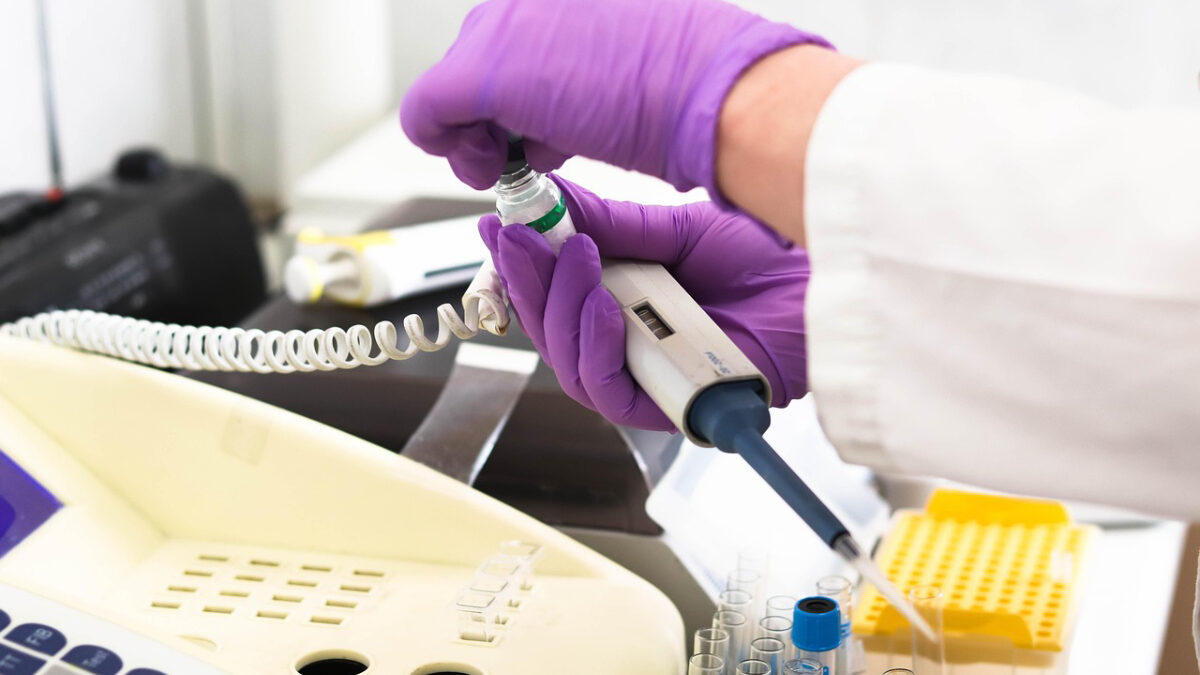

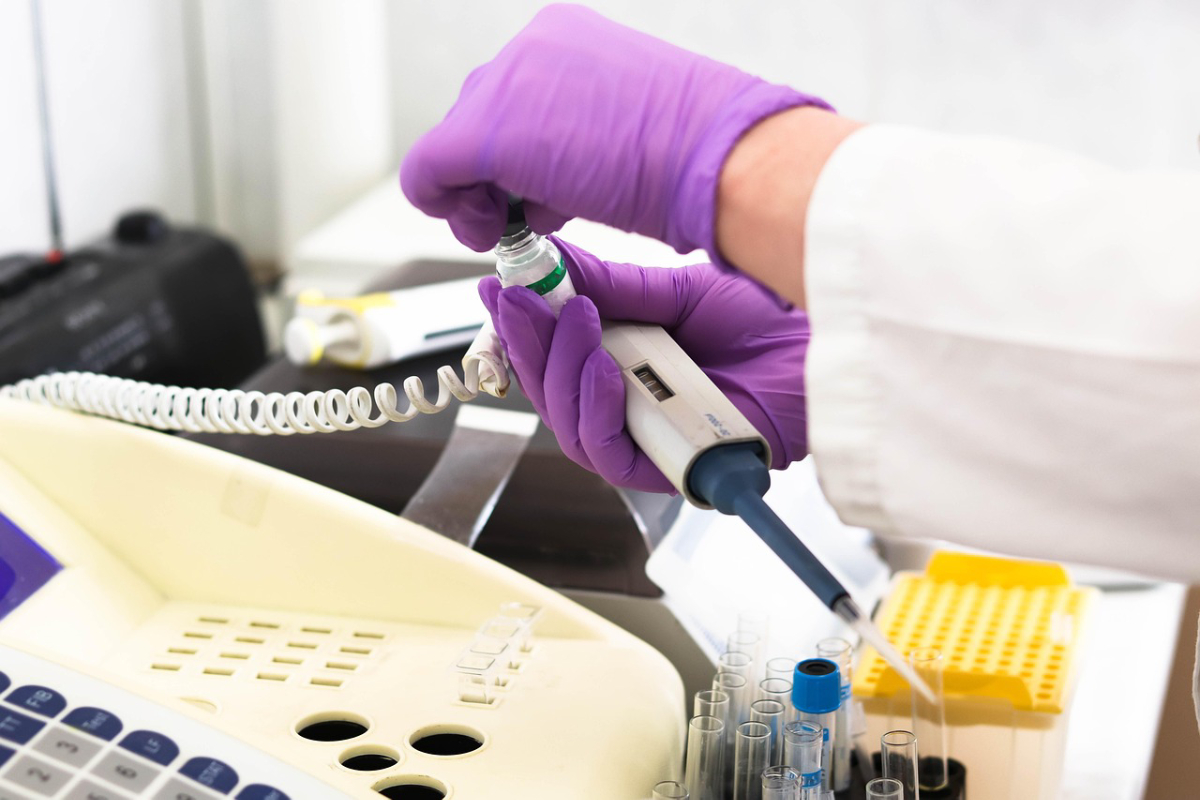
Your laboratory plays a critical role in this process, but managing vast amounts of data can be overwhelming. This is where a laboratory information management system (LIMS) becomes a game-changer. A robust LIMS automates your lab’s workflow, improves information management, and helps you meet strict regulatory requirements. Ready to discover how the right LIMS can transform your operations and guarantee product integrity?
Table of Contents
Key Highlights
- A laboratory information management system (LIMS) is essential for modern food and beverage labs.
- LIMS enhances data management, sample management, and workflow automation.
- Implementing a LIMS ensures better regulatory compliance and data integrity.
- Key features include sample tracking, instrument integration, and reporting.
- 1LIMS offers tailored, scalable solutions for the food and beverage industry.
- This information management system improves operational efficiency and product quality.
Understanding LIMS Software for the Food and Beverage Industry
A LIMS system is a software-based solution designed to streamline laboratory operations by managing and tracking samples, experiments, results, and data. This information management system is specifically configured to meet the unique demands of different labs, from quality control to research and development.
For the food and beverage industry, a laboratory information management system is tailored to address specific needs like allergen tracking, shelf-life studies, and contamination monitoring. Implementing a LIMS helps boost operational efficiency and ensures that your products consistently meet quality and safety standards.
What is LIMS and how it works in laboratory settings
A laboratory information management system, or LIMS, is a software solution that helps manage the massive amounts of data generated in a lab. Think of it as the central hub for all your lab management activities, automating processes to improve accuracy and efficiency.
In a typical lab setting, the LIMS tracks a sample from the moment it arrives. It assigns a unique identifier, schedules tests, and records results. This laboratory informatics tool manages the entire sample lifecycle, ensuring complete traceability from collection to final report.
Ultimately, a LIMS transforms your data management by creating an organized and robust system. It automates workflows, connects with lab instruments, and provides timely access to the information you need to make critical decisions about product quality and safety.
Common challenges faced by food and beverage labs without LIMS software
Without a dedicated LIMS, food and beverage labs often rely on manual processes and spreadsheets. This approach is prone to challenges that can compromise data integrity and operational efficiency. Manual data entry, for instance, significantly increases the risk of human errors, leading to inaccurate laboratory data.
These manual methods also make sample tracking a logistical nightmare. Locating a specific sample, reviewing its testing history, or ensuring a proper chain of custody becomes a time-consuming and inefficient task. This lack of streamlined processes can result in costly delays and regulatory headaches.
Common issues include:
- Increased risk of manual errors during data entry.
- Difficulty in maintaining data integrity and traceability.
- Inefficient sample tracking and management.
- Challenges in meeting regulatory compliance standards.
Key Benefits of Implementing LIMS in Food and Beverage Laboratories
Implementing a LIMS in your food and beverage lab brings a host of powerful benefits. The primary advantage is a significant boost in operational efficiency. By automating repetitive tasks, the system frees up your team to focus on more critical scientific work, leading to faster turnaround times and increased productivity.
Furthermore, a LIMS revolutionizes your laboratory data management. It provides a centralized, secure repository for all your data, complete with detailed audit trails for every action. This ensures your quality control processes are robust and that you are always prepared for an audit. Let’s explore some of these key advantages in more detail.
Improved data management and traceability
One of the most significant benefits of a LIMS is its ability to centralize and organize all your laboratory data. Instead of juggling spreadsheets and paper records, your information management system provides a single source of truth. This ensures data integrity and makes it easy to access historical data for trend analysis or investigations.
Effective sample management is another core function. From the moment a sample is logged, the LIMS tracks its entire journey through the lab. This complete laboratory sample management provides an unbroken chain of custody, which is crucial for traceability and quality assurance. You always know where a sample is and what tests have been performed on it.
With a powerful LIMS like 1LIMS, you can confidently manage large volumes of data while ensuring accuracy. This robust data management capability helps you make informed decisions quickly, identify potential issues before they become problems, and maintain the highest standards of quality.
Enhanced compliance with regulatory standards
Meeting regulatory requirements is a major challenge in the food and beverage industry. A LIMS is designed to simplify regulatory compliance by automating documentation and record-keeping. The system helps your lab adhere to standards like ISO 17025, GLP, and FDA regulations, including 21 CFR Part 11.
A key feature for compliance support is the creation of complete audit trails. The LIMS automatically records every action performed on a sample or data point, noting who did what and when. This provides a transparent and defensible record for any regulatory audit or internal review.
With features like electronic signatures and role-based access control, a LIMS ensures that your data is secure and that all processes follow your standard operating procedures. This proactive approach to compliance helps you avoid costly fines and reputational damage.
- Automated audit trails for full traceability.
- Support for 21 CFR Part 11 and other industry standards.
- Secure electronic signatures and role-based access.
Essential Features of LIMS Software Designed for Food and Beverage Testing
When selecting a LIMS for your food and beverage lab, it’s crucial to look for features that address your specific challenges. Modern LIMS platforms offer a range of core functions designed to streamline your entire testing process, from sample arrival to final report.
A comprehensive laboratory information system should offer robust capabilities for managing samples, automating workflows, and integrating with your existing equipment. These key features are the foundation of an efficient and compliant lab. Let’s look at what makes a LIMS truly effective for food and beverage testing.
Sample tracking, workflow automation, and reporting capabilities
Effective sample tracking is fundamental. A good LIMS provides end-to-end traceability, allowing you to follow a sample from collection through testing to final disposal. This includes logging its location, the tests performed, and the test results, ensuring no sample gets lost or mixed up.
Workflow automation is another critical feature. The system should allow you to configure your lab’s specific processes, automating tasks like test scheduling, result calculations, and generating alerts for out-of-spec results. This reduces manual effort and minimizes the risk of human error, freeing up your team for more valuable work.
Finally, powerful reporting and data analytics tools are essential for transforming raw laboratory data into actionable insights. A LIMS like 1LIMS should offer:
- Real-time dashboards to monitor lab performance.
- Customizable report templates for certificates of analysis (CoAs).
- Automated generation and distribution of reports.
- Trend analysis to track quality control metrics over time.
Integration with material testing equipment and external systems
To achieve maximum efficiency, your lab management software must communicate seamlessly with your laboratory instruments. Direct instrument integration allows the LIMS system to automatically capture test results, eliminating the need for manual data entry. This not only saves time but also significantly improves data accuracy and integrity.
In the food and beverage industry, material testing is crucial for ensuring the quality and safety of both ingredients and packaging. A LIMS supports this by managing test workflows for various materials, tracking specifications, and flagging any deviations. Whether you’re testing the tensile strength of packaging or the purity of a raw ingredient, the LIMS centralizes all data.
Moreover, a modern LIMS like 1LIMS ensures data security while integrating with other business systems, such as ERP or MES platforms. This creates a cohesive digital ecosystem where information flows freely between your lab and other departments, enhancing collaboration and decision-making across the organization.
Why 1LIMS Stands Out as the Best Solution for the Food and Beverage Sector
Choosing the right LIMS solution is a critical decision for your lab. While many options exist, 1LIMS is engineered to be the best LIMS software for the food and beverage industry because it directly addresses your specific needs for food safety and product quality.
Unlike generic systems, 1LIMS provides tools and workflows designed from the ground up for food testing environments. This focus ensures you have the right features to not only meet but exceed industry standards, making it a superior choice for any food and beverage lab.
Tailored functionalities for food safety and quality assurance
- 1LIMS goes beyond basic LIMS functions by offering features specifically developed for food safety and quality assurance. This includes modules for managing hazard analysis (HACCP), environmental monitoring, allergen testing, and shelf-life studies. These tools help you proactively manage risks and protect public health.
The software is designed to enhance your laboratory operations by streamlining workflows unique to food testing. From managing recipes and ingredients to tracking nutritional information, 1LIMS ensures that every aspect of your quality program is covered. This tailored approach simplifies compliance and improves overall efficiency.
With an unwavering focus on data accuracy, 1LIMS helps you build a robust quality assurance framework. The system flags out-of-specification results in real-time, automates corrective action reports (CAPAs), and provides the detailed documentation needed to prove due diligence. This makes 1LIMS an indispensable partner in maintaining the highest standards.
Robust scalability for small labs and large organizations alike
One of the greatest strengths of 1LIMS is its scalability. Whether you are a small lab just starting or a large organization with multiple sites, our platform grows with you. This flexibility ensures you don’t have to invest in a new system as your data volumes and operational complexity increase.
For small labs, 1LIMS offers a cost-effective, easy-to-implement solution that provides immediate benefits in organization and efficiency. For large organizations, it delivers the enterprise-level features needed to standardize processes, manage global operations, and handle enormous amounts of data across different locations.
Unlike other LIMS platforms that are either too simple or too complex, 1LIMS strikes the perfect balance. This scalability ensures a long-term return on investment, making it a smart choice for any lab in the food and beverage sector.
| Feature | For Small Labs | For Large Organizations |
| Deployment | Cloud-based for quick, low-cost setup | On-premise or hybrid options for control and security |
| Functionality | Core features for sample management and reporting | Advanced modules for multi-site and global operations |
| Cost | Flexible subscription pricing to match your budget | Enterprise licensing with dedicated support |
| Implementation | Fast onboarding with pre-configured templates | Custom configuration and integration services |
Real-World Applications of 1LIMS Across Different Food and Beverage Industries
The versatility of 1LIMS allows it to be a valuable asset across many different industries within the food and beverage sector. From dairies to breweries, our LIMS implementation is designed to optimize lab operations regardless of the specific product being tested.
By adapting to the unique workflows of various industries, 1LIMS helps businesses achieve impressive gains in operational efficiency and quality control. Below, we’ll explore some specific use cases and case studies that demonstrate the real-world impact of our software.
Dairy, beverage, packaged foods, and material testing use cases
In the dairy industry, 1LIMS is used to manage testing for pasteurization effectiveness, bacterial counts, and fat content. The system tracks samples from raw milk intake to final product, ensuring every batch meets stringent safety standards.
For beverage producers, 1LIMS helps monitor everything from water quality to sugar levels and carbonation. It automates the quality checks required at each stage of production, ensuring consistency and flavor profile integrity in every bottle or can. In the packaged foods sector, it tracks ingredients, allergens, and nutritional data.
Across all sectors, material testing for packaging is essential. 1LIMS manages these workflows to ensure packaging integrity and prevent contamination. Key applications include:
- Monitoring microbial counts in dairy products.
- Ensuring consistent water quality in beverages.
- Verifying packaging safety for packaged foods.
Case studies highlighting improved operational efficiency
One regional water testing facility reported a 35% reduction in reporting time after implementing our LIMS. By automating data capture and report generation, their team was able to eliminate manual workarounds and reduce errors, leading to faster and more reliable results for their clients.
Another customer, a mid-sized packaged foods company, struggled with audit readiness. With 1LIMS, they established clear audit trails for every sample and test. This streamlined their lab management and made regulatory inspections stress-free, allowing them to pass audits with ease. The power of data analysis helped them identify process improvements.
These examples demonstrate how a well-implemented LIMS can drive tangible improvements in operational efficiency. By centralizing laboratory data management and automating key processes, 1LIMS empowers labs to do more with fewer resources, all while improving accuracy and compliance.
Conclusion
In conclusion, embracing a Laboratory Information Management System (LIMS) like 1LIMS can revolutionize operations within the food and beverage industry. With its tailored functionalities designed for food safety and quality assurance, 1LIMS not only improves data management and traceability but also enhances compliance with ever-evolving regulatory standards. The real-world applications of 1LIMS demonstrate its ability to boost operational efficiency across various sectors, from dairy to packaged foods. By investing in a robust LIMS solution, your laboratory can ensure better quality control and streamline processes effectively. Don’t miss out on the opportunity to elevate your operations—contact us today to discover how 1LIMS can meet your specific needs!
Frequently Asked Questions
Is LIMS software suitable for environmental or genomics labs as well?
Yes, absolutely. While this article focuses on the food and beverage industry, LIMS platforms like 1LIMS are highly configurable. They can be tailored to meet the specific needs of various industries, including environmental laboratories, genomics labs, and more, by adapting the laboratory information system to their unique workflows.
What steps are involved in implementing LIMS software?
A typical LIMS implementation involves clear steps: planning and requirement analysis, system configuration, data migration, user training, and validation. Following best practices and working closely with lab managers ensures a smooth transition for modern labs, minimizing disruption and maximizing the benefits from day one.
How does LIMS support material testing within food and beverage labs?
LIMS platforms support material testing by managing workflows for incoming ingredients and packaging. The laboratory informatics system handles sample tracking, schedules required tests, records test results, and flags any materials that do not meet quality specifications, ensuring the safety and integrity of the final product.