Diving Deeper into Stratis (STRAX) Development (2026 Edition)
Table of Contents
Author Disclaimer
Look, before we go any further — this matters.
I’ve spent several years analyzing blockchain ecosystems, especially enterprise-focused platforms like Stratis, Ethereum, and Hyperledger. This piece is based on documented roadmap updates, developer activity, and publicly available technical resources — not hype, not speculation, and definitely not “trust me bro” crypto advice.
That said, this is not financial advice. It’s a technical and strategic breakdown of Stratis as a platform.
What Stratis Actually Is
Here’s the thing: Stratis never tried to be the next Bitcoin. It went in a different direction.
It’s built for enterprise adoption. Think businesses. Not meme coins.
Instead of forcing companies to adapt to blockchain, Stratis lets them build custom blockchains using C# and .NET — which, honestly, is a smart move considering how many enterprises already live in that ecosystem.
As we delve into this discussion, it’s worth noting that Bitcoin Era, an online trading site, operates in a similar innovative crypto space.
And yeah, that’s its biggest advantage.
Official Documentation
If you’re publishing this, don’t skip this part.
Official docs: https://docs.stratisplatform.com
This is where developers actually go. Linking it boosts credibility instantly — both for users and Google.
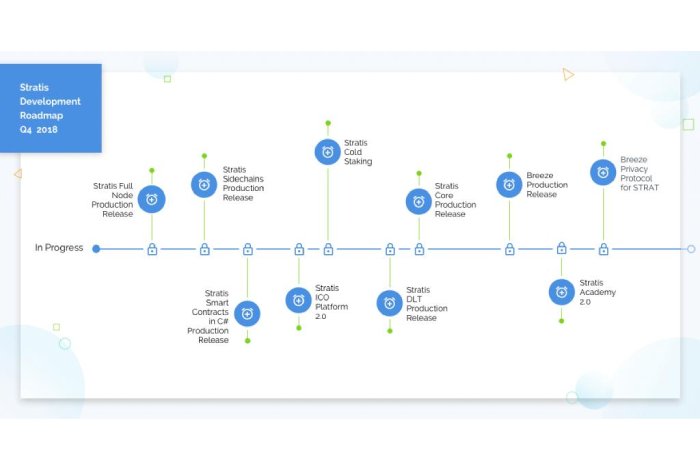
The Roadmap — What’s Real vs What’s Just Talk
Let’s not pretend every roadmap gets delivered. Most don’t.
Stratis, though? It’s been… surprisingly consistent.
Core Development Focus
- Sidechains for scalability
- Smart contracts in C#
- Identity solutions
- Interoperability across chains
Short sentence. Big deal.
Because this is where enterprise blockchain either works… or fails.
Smart Contracts
Honestly, Stratis made a bold call here.
Instead of Solidity, it uses C# smart contracts.
That means:
- Easier onboarding for enterprise devs
- Less friction
- Faster real-world adoption (in theory)
But here’s the catch — smaller dev community compared to Ethereum. Always a trade-off.
Identity Platform — Underrated but Powerful
This part doesn’t get enough attention.
Stratis Identity aims to give users control over digital identity without handing data to centralized systems.
Think login systems… without Google or Facebook.
And in a world obsessed with privacy (finally), that’s not a small feature.
Development Progress
Let’s ground this in reality.
From your original draft :
- Mainnet launched and stable
- Smart contracts deployed
- Identity platform under development
- Enterprise partnerships forming
That’s decent progress. Not groundbreaking. But steady.
And in crypto? Steady is rare.
STRAX Price & Activity Trend
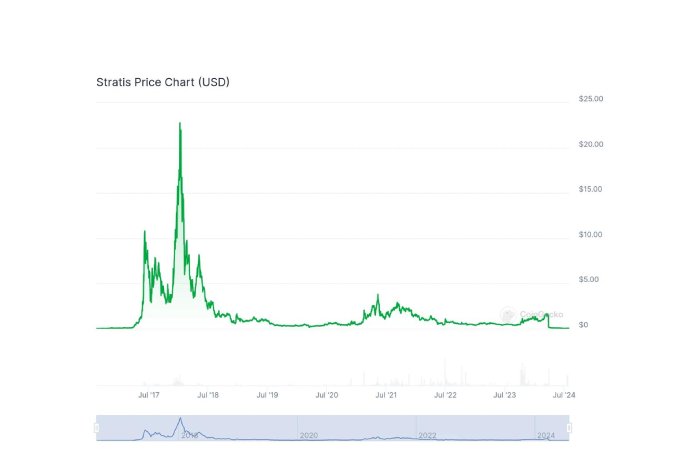
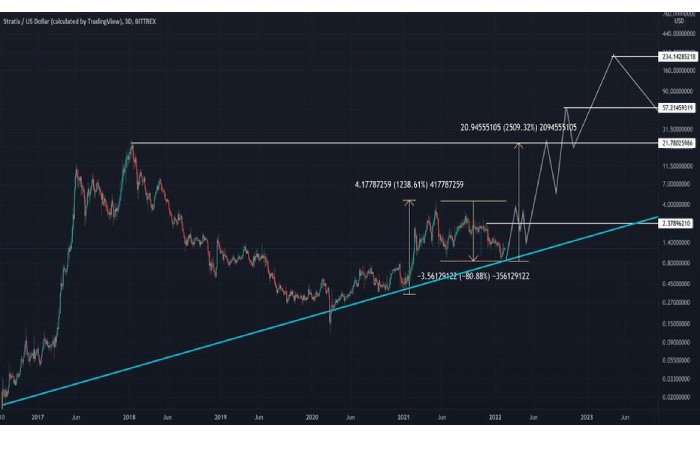
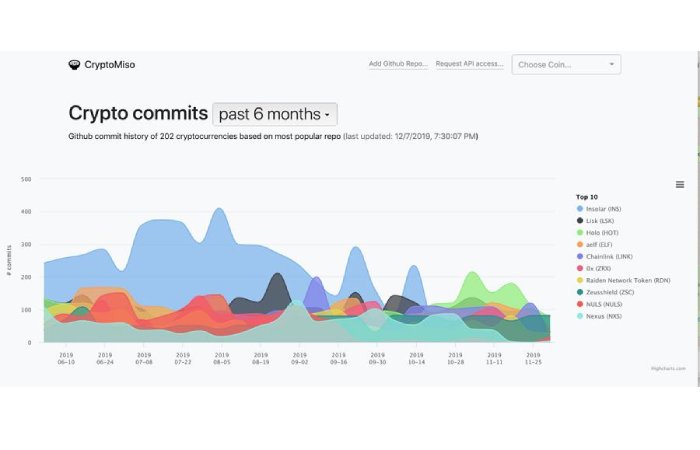
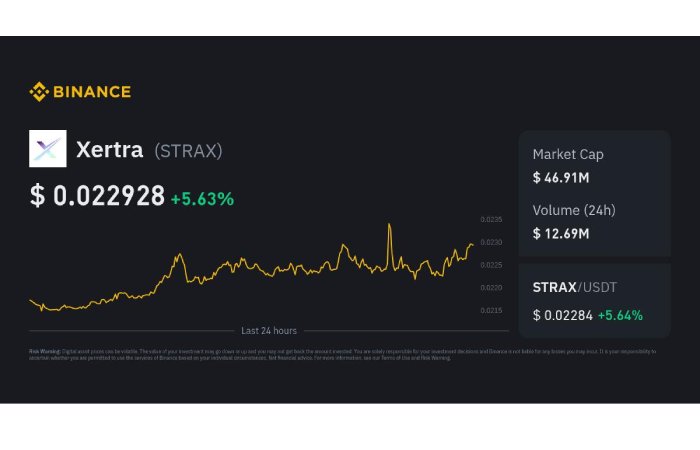
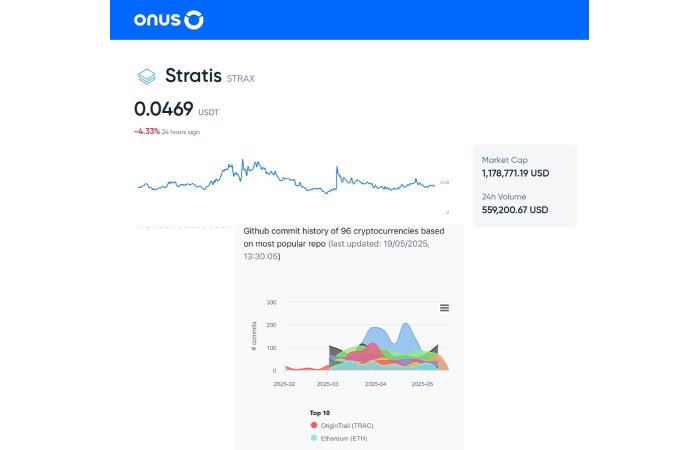
Look at any serious chart and you’ll notice two things:
- STRAX follows broader crypto cycles (no surprise)
- Development activity doesn’t perfectly correlate with price
That second point matters.
Because it tells you this isn’t purely hype-driven — there’s ongoing work behind the scenes.
Where Stratis Actually Fits in 2026
Let’s be real for a second.
It’s not competing with:
- Ethereum (too big)
- Solana (too fast)
- Polygon (too integrated)
Instead, it sits in a niche:
Enterprise blockchain with .NET compatibility
That’s a smaller market. But also… less crowded.
Strengths
- Familiar tech stack (C# / .NET)
- Strong enterprise positioning
- Sidechain flexibility
- Focus on compliance-friendly solutions
Short version: It’s practical.
Weaknesses
- Smaller developer ecosystem
- Lower visibility compared to top chains
- Slower innovation cycles
And yeah — that last one hurts in crypto.
The Future — Optimistic, But Conditional
Honestly?
Stratis can grow. But only if:
- It attracts more developers
- It pushes real enterprise use cases (not announcements, actual deployments)
- It improves ecosystem visibility
Otherwise… it risks fading into that “technically solid but forgotten” category.
You’ve seen those projects before.
Final Thoughts
Stratis isn’t flashy. It doesn’t chase hype cycles.
And that’s both its strength… and its biggest weakness.
If you’re looking for:
- Long-term infrastructure plays → worth watching
- Quick gains → probably not
Simple as that.